A healthy capped brood frame is compact, even, and consistently capped. Look for a continuous pattern of medium-brown, slightly convex cappings with few irregular gaps, punctures, or sunken cells. Capped honey is typically stored neatly across the upper third of the frame, while a spotty, perforated, or depressed brood pattern may indicate disease, weak queen performance, or pest pressure.
The key monitoring principle is pattern recognition: healthy brood is generally dense and uniform, while irregular cappings and gaps warrant closer investigation. Proper frame inspection equipment makes this assessment faster, safer, and more repeatable across an apiary.
What a Healthy Capped Brood Pattern Looks Like
Dense and Continuous Coverage
A healthy worker brood frame normally shows a tight, continuous area of capped brood across the main comb region. Small natural gaps can occur, but extensive scattered openings create a “spotty” or “pepperbox” appearance that deserves attention.
The pattern should appear organized rather than randomly interrupted. Consistent coverage generally indicates that the queen has laid effectively and that workers have maintained the developing brood.
Uniform Brown, Convex Cappings
Healthy capped worker brood typically has medium-brown cappings that are slightly raised or convex. The surface should look intact, with no widespread punctures, holes, or collapsed sections.
By contrast, dark, sunken, or perforated cappings can be visual warning signs associated with brood disease or other colony problems. These observations are indicators for further diagnosis, not a substitute for confirmation.
Clear Separation from Honey Stores
Capped honey is commonly stored across the upper third of the frame, above or around the brood area. This neat separation helps the beekeeper assess both brood condition and available food reserves during the same inspection.
A frame that combines orderly brood below with properly capped honey above is easier to evaluate than one with irregular comb or poorly defined storage areas.
What Irregular Cappings May Indicate
Punctured or Perforated Cappings
Punctures and holes may suggest that worker bees have opened cells containing unhealthy or dead brood. They can also reflect other colony disturbances, so the finding should be assessed alongside larval appearance and the broader frame pattern.
The important point is to treat perforation as an early warning signal that justifies closer inspection.
Sunken or Discolored Areas
Sunken cappings and unusual discoloration are inconsistent with the smooth, convex appearance expected from healthy capped brood. If these signs occur together with irregular gaps or discolored larvae, the colony requires more detailed evaluation.
Spotty Brood Patterns
A scattered pattern of capped cells and empty gaps may be associated with poor queen laying performance, brood disease, or pest infestations. Inspection should determine whether the pattern is localized, recurring across multiple frames, or part of a broader colony decline.
Frame condition also matters. Uneven or damaged comb can make a healthy colony appear irregular, which is why the comb structure should be considered before drawing conclusions.
How Frame Inspection Equipment Supports Monitoring
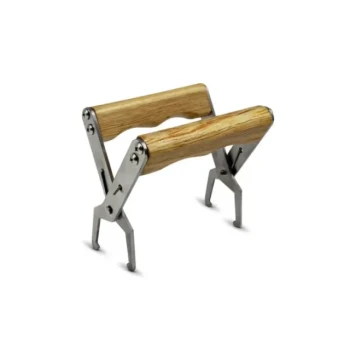
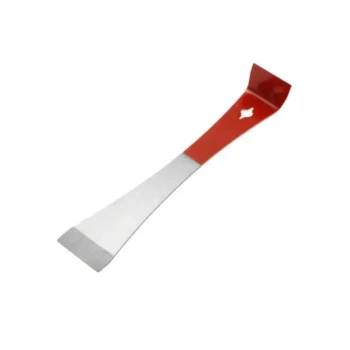
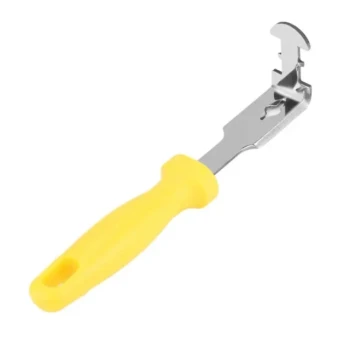
Hive Tools Improve Access and Visibility
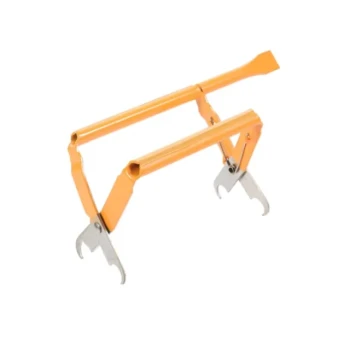
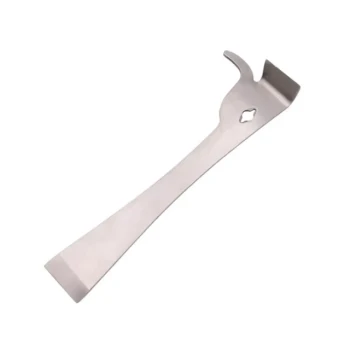
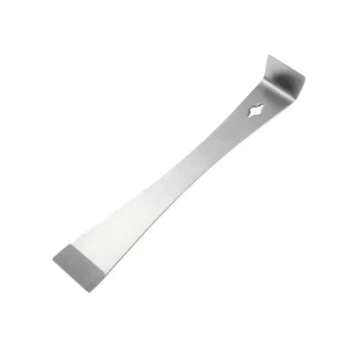
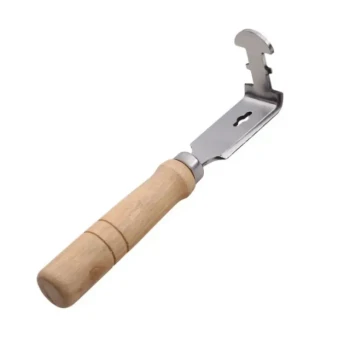
A hive tool helps separate frames and loosen components without unnecessary disturbance. This allows the beekeeper to expose brood areas systematically rather than relying on a quick or incomplete visual check.
Controlled access is especially important when comparing several frames within the same colony.
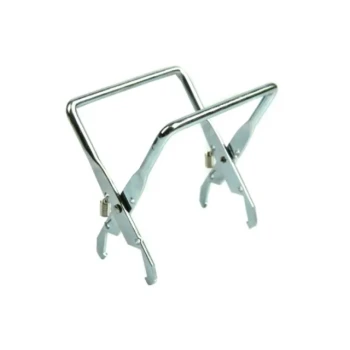
Frame Lifters Make Examination More Consistent
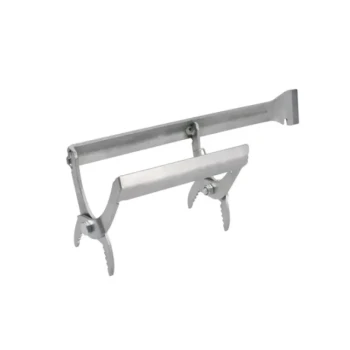
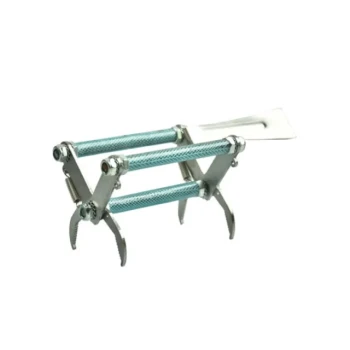
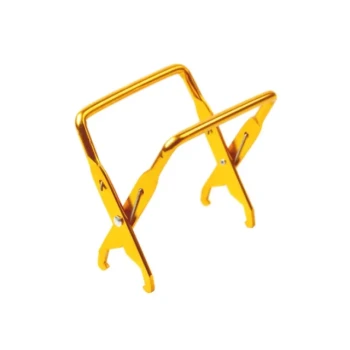
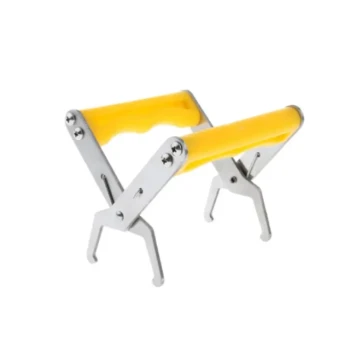
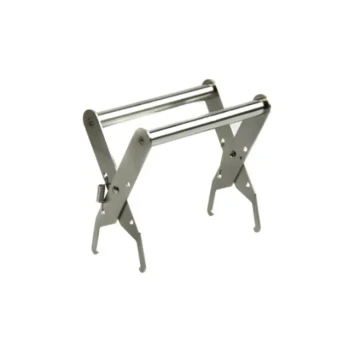
Frame lifters support the removal and handling of frames, reducing the risk of damaging comb during inspection. They also make it easier to hold a frame at a useful viewing angle and examine both sides.
For commercial operations, consistent frame handling improves the repeatability of inspections between colonies and between different field workers.
Mobile Inspection Gear Supports Field Decisions
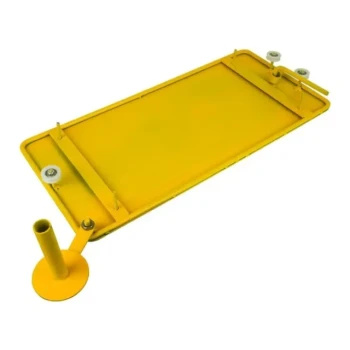
Mobile inspection equipment allows brood frames to be assessed directly in the apiary. When paired with suitable inspection lighting, it can make capping texture, gaps, and discoloration easier to distinguish in variable field conditions.
The practical benefit is speed: potential problems can be identified while the beekeeper is already at the hive, enabling prompt decisions about closer diagnosis, sanitation, frame replacement, or requeening.
Standardized Frames and Foundations Simplify Comparison
Standard hive frames and aligned foundations give bees a stable structure on which to build more uniform comb. Even cell construction supports orderly queen laying and neat capping, making brood patterns easier to interpret.
For distributors and commercial apiaries, standardized equipment also improves interchangeability, inventory planning, and the ability to replace unsuitable frames efficiently.
Why Early Detection Matters
Corrective Action Can Begin Earlier
Early recognition of abnormal cappings gives the beekeeper an opportunity to investigate before a potential issue spreads or reduces colony productivity. Depending on the confirmed cause, corrective measures may include frame replacement, requeening, sanitation procedures, or other appropriate management actions.
Visual inspection does not establish a diagnosis by itself. It identifies patterns that should trigger a more focused response.
Inspection Records Become More Useful
Using consistent equipment and a repeatable inspection method makes it easier to compare brood development over time. Notes or images can help identify whether a spotty pattern is improving, recurring, or appearing across additional frames.
This is particularly valuable for apiary managers overseeing many colonies and for field staff who need a common inspection standard.
Understanding the Trade-offs
Visual Inspection Is Fast but Not Definitive
Frame inspection provides rapid, practical information, but similar visual symptoms can have different causes. Disease, queen performance, pests, and comb condition may all contribute to an irregular pattern.
For that reason, visual findings should guide further investigation rather than be treated as conclusive proof.
Equipment Quality Affects Inspection Reliability
Poorly aligned frames, unstable comb, inadequate lighting, or difficult frame access can obscure important details. Equipment that supports clean removal and clear viewing reduces these practical limitations.
However, even premium tools cannot replace careful handling and trained observation.
Replacing Frames Requires Judgment
Frame replacement can help remove damaged or unsuitable comb, but it should follow an informed assessment of the colony and equipment condition. Replacing components without understanding the underlying cause may address the symptom while leaving the broader problem unresolved.
A well-planned supply program should therefore include both inspection tools and suitable replacement frames or comb components.
Making the Right Choice for Your Goal
Use the inspection objective to determine the most appropriate equipment and supply approach.
- If your primary focus is brood health diagnosis: Prioritize hive tools, frame lifters, and mobile inspection lighting that provide stable access and clear visibility of cappings and larvae.
- If your primary focus is commercial apiary efficiency: Standardize frames, foundations, and inspection procedures so workers can compare brood patterns consistently across colonies.
- If your primary focus is equipment distribution or resale: Build a dependable, full-spectrum supply offering that combines inspection tools, lighting, standardized frames, replacement components, and responsive fulfillment.
- If your primary focus is rapid corrective action: Maintain readily available replacement frames and essential inspection gear so abnormal brood patterns can be addressed without avoidable delays.
With consistent visual criteria and dependable inspection equipment, beekeepers can detect brood concerns earlier and make more confident colony-management decisions.
Summary Table:
| Visual Trait | Healthy Brood Pattern | Irregular Pattern Signs |
|---|---|---|
| Coverage | Dense, continuous | Spotty, scattered gaps |
| Capping | Medium-brown, convex, intact | Dark, sunken, punctured, discolored |
| Honey placement | Neatly stored at top | Disorganized or mixed |
| Overall appearance | Uniform, organized | Pepperbox, irregular |
Enhance your apiary inspections with HONESTBEE's professional tools and standardized equipment. As a one-stop wholesale supplier for commercial apiaries and distributors, we offer fast delivery, OEM/ODM support, and full-spectrum products. Contact us today for reliable supply and expert guidance — get in touch now!
Related Products
- Multi-Function Frame Grip with Integrated Hive Tool
- Professional Multi-Function Stainless Steel Hive Tool
- Multi-Function Plier-Style Frame Grip Hive Tool
- Professional 3-Bar Frame Grip with Integrated Hive Tool
- Premium Frame Grip with Ergonomic Wood Handles
People Also Ask
- How does the frame lifter hive tool function? Master Safe and Gentle Frame Removal
- What is the specific design and purpose of a frame lifter hive tool? Master Gentle Hive Inspections
- What is the purpose of using frame grips in beekeeping operations? Elevate Your Apiary Precision & Hive Safety
- What is a frame grip and how is it used? Secure Your Hive Inspections with Ease
- What are Frame Grips used for in beekeeping? Boost Your Hive Inspection Efficiency & Bee Safety