The standard placement for an entrance reducer is on the bottom board of the hive, specifically at the lowest point of a Langstroth setup. While it is physically possible to create an entrance at the top of the hive, placing the reducer at the bottom is the accepted best practice for maintaining colony order and efficient workflow.
Positioning the entrance reducer at the bottom is critical for minimizing bee agitation during inspections and ensuring proper airflow throughout the colony structure.
The Operational Logic Behind Placement
The Bottom Board Standard
In the vast majority of Langstroth hives, the reducer is designed to fit snugly between the bottom board and the first brood box. This creates the primary threshold for all hive traffic.
Preventing Forager Confusion
The most significant impact of placement occurs during hive inspections. If an entrance is placed at the top, removing the upper boxes removes the bees' "front door."
Returning foragers will return to the physical space where the entrance used to be. Finding it missing, they will fill the air around you, becoming confused and potentially defensive.
Maintaining Stability During Work
With a bottom entrance, the landing zone remains stationary even when you dismantle the hive. You can remove supers and brood boxes without disrupting the flight path of returning field bees, keeping the apiary much calmer.
Environmental and Structural Impacts
Optimizing Ventilation
Placement dictates how air moves through the colony. Bottom entrances generally provide superior ventilation compared to top-only configurations.
This placement facilitates natural airflow, essential for regulating temperature and humidity within the brood nest.
Non-Standard Hive Designs
It is important to note that "placement" varies with hive style. On handmade hives, such as horizontal Langstroth or Top Bar hives, the entrance is often permanent.
In these designs, the "reducer" is frequently built directly into the structure of the hive body rather than existing as a separate, removable component.
Understanding the Trade-offs and Variations
Hardware Variations
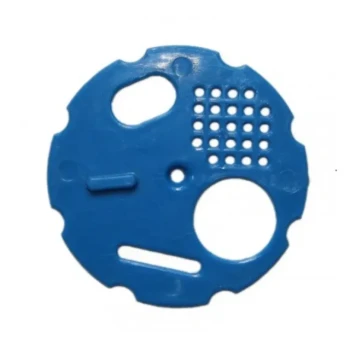
While the wooden stick reducer is standard, other mechanisms exist. Steel entrance discs are sometimes used, particularly on nucleus hives.
These are mounted directly to the hive body with a screw. Instead of being placed "in" a gap, they are rotated to select the desired opening size or to close the hive entirely.
The Top Entrance Debate
While top entrances are generally discouraged for the reasons listed above, some beekeepers experiment with them for specific wintering scenarios. However, the trade-off is almost always a more chaotic experience during routine hive checks.
Making the Right Choice for Your Goal
- If your primary focus is smooth inspections: Stick to the standard bottom board placement to ensure returning foragers have a stable landing zone while you work.
- If you are building a custom hive: Consider incorporating the entrance size into the permanent design of the box rather than relying on loose reducers.
- If you are using a nucleus colony: You may find a mounted steel disc offers more precise control than a traditional wooden wedge.
By keeping the entrance at the bottom, you work with the bees' natural orientation, resulting in a healthier colony and a more manageable apiary.
Summary Table:
| Placement Aspect | Bottom Board (Standard) | Top Entrance (Alternative) | Custom/Nuc Hives |
|---|---|---|---|
| Workflow Impact | High stability; foragers return to a fixed point | High agitation; foragers lose entrance during work | Integrated into hive body/permanent |
| Ventilation | Natural, superior airflow regulation | Limited; used mainly for wintering | Variable based on design |
| Hardware Type | Wooden wedge/reducer stick | Entrance shims or spacers | Steel entrance discs |
| Best For | Routine inspections & standard Langstroth | Specific overwintering needs | Nucleus colonies & horizontal hives |
Maximize Your Apiary Productivity with HONESTBEE
Efficient hive management starts with the right equipment. HONESTBEE is dedicated to supporting commercial apiaries and distributors with a comprehensive wholesale range of high-quality beekeeping tools.
Whether you need precision-engineered beekeeping machinery, such as hive-making or honey-filling machines, or essential industry consumables like specialized hardware and cultural merchandise, we provide the scale and quality your business demands.
Ready to upgrade your commercial operation? Contact us today to explore our full spectrum of professional beekeeping solutions and discover the value we bring to your supply chain.
Related Products
- Steel Round Disc Entrance Reducer for Flexzion Bee Hive Nuc Box Gate
- Beehive Entrance Reducer Guardian Metal Hive Entrance for Bees
- Professional Hive Front Entrance Bee Feeder
- HONESTBEE Entrance Bee Feeder Efficient Hive Front Liquid Feeding Solution for Beekeeping
- HONESTBEE Entrance Bee Feeder Professional Hive Nutrition Solution for Beekeeping
People Also Ask
- What is the purpose of an entrance reducer for a beehive? Strengthen Colony Defense and Prevent Robbery
- Why are entrance reducers used to counter hornet infestations? Protect Your Hive with Strategic Choke Points
- Why is it critical to maintain a smaller entrance for a newly established bee hive? Boost Colony Growth and Security
- Under what conditions should a beekeeper adjust the size of a beehive entrance? Seasonal & Defense Management Tips
- What is the function of an entrance reducer on a beehive? Strengthen Colony Defense and Climate Control