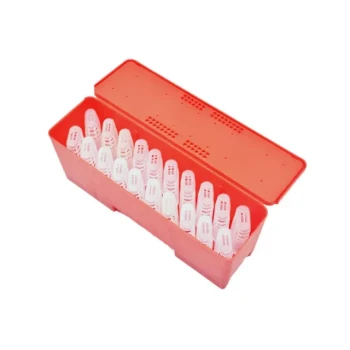
To maximize the acceptance of a new queen bee, remove attendant bees to eliminate potential scent conflicts with the colony. The safest removal method utilizes the bees' natural attraction to light: inside a secure, closed room, open the cage near a window so the workers fly toward the light, leaving the queen behind or allowing for her easy recapture.
Core Insight: Removing attendants mitigates the risk of the colony rejecting the queen due to "foreign" worker pheromones. However, this process requires a controlled environment to avoid the critical error of the queen escaping or sustaining injury during handling.
The Purpose of Removal
Reducing Pheromone Conflict
The primary reason to remove attendant bees is to ensure the receiving colony focuses solely on the new queen.
Attendants carry the specific scent and pheromones of their original hive. The receiving colony may perceive these workers as foreign invaders rather than neutral guests.
Preventing Collateral Damage
If the receiving colony attacks the attendants, the resulting aggression can escalate quickly.
During a skirmish between the colony's workers and the attendants, the new queen can be inadvertently injured or killed in the crossfire.
Safe Removal Protocols
The Controlled Environment
Never attempt this procedure outdoors or in an open space.
You must work in a closed room with a window. If the queen flies, she must be contained within the room so she can be recovered.
Method A: The Cloth Wrap (Low Contact)
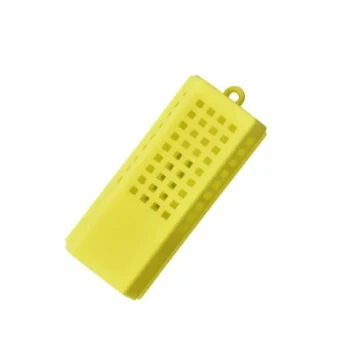
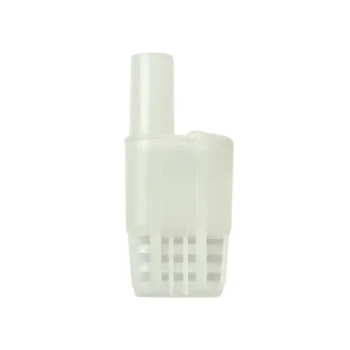
Wrap the queen cage in a cloth, obscuring most of the wire mesh.
Leave only the uncorked, non-candy end of the cage exposed and point it toward the light source (window).
The worker bees, driven by phototaxis, will naturally crawl out toward the light, leaving the queen inside or making her the last to exit.
Method B: The Dark Room (High Speed)
Turn off all artificial lights in the room, leaving only natural light coming through the window.
Remove the screen from the cage entirely. All bees, including the queen, will likely fly toward the lit window.
Once the bees are on the window pane, you can easily identify the queen and place her back into the cage alone.
Understanding the Trade-offs
The Risk of Handling
While removing attendants can help acceptance, the mechanical act of opening the cage is the point of highest failure.
There is a significant risk that the queen will fly away and be lost, or be crushed while manipulating the cage or screen.
Questionable Necessity
It is important to note that many experts consider leaving the attendants in the cage to be the safer option.
The new queen's pheromones usually spread quickly, unifying the scent of the attendants and the colony within days.
If you are a novice beekeeper, the risk of injuring the queen during removal often outweighs the risk of the colony attacking the attendants.
Making the Right Choice for Your Goal
Before opening the cage, assess your comfort level with handling queens and the environment you are working in.
- If your primary focus is maximum acceptance security: Remove the attendants using the dark room method to ensure no foreign worker pheromones trigger aggression.
- If your primary focus is risk mitigation: Leave the attendants in the cage, as the risk of losing the queen during handling is generally higher than the risk of rejection.
Mastering the environment is just as important as mastering the technique; never open a cage where the queen can escape to the wild.
Summary Table:
| Aspect | Attendant Removal | Leaving Attendants In |
|---|---|---|
| Primary Goal | Maximize acceptance by removing foreign scents | Minimize handling risk and queen loss |
| Risk Level | High (Potential for queen escape or injury) | Low (Natural scent integration over time) |
| Method | Controlled indoor environment via phototaxis | Direct introduction of the intact cage |
| Best For | Experienced keepers in high-stakes environments | Novice beekeepers and standard introductions |
Elevate Your Apiary's Success with HONESTBEE
Successful queen introduction is just the beginning of a thriving colony. At HONESTBEE, we specialize in empowering commercial apiaries and distributors with the highest grade beekeeping infrastructure. From precision hive-making machinery and automated honey-filling systems to a comprehensive selection of wholesale beekeeping tools and essential consumables, we provide the hardware you need to scale your operations.
Whether you are stocking professional-grade equipment or expanding your inventory of honey-themed merchandise, our team is dedicated to your growth. Contact us today to discover how our wholesale solutions and industry expertise can streamline your production and enhance your apiary's profitability.
Related Products
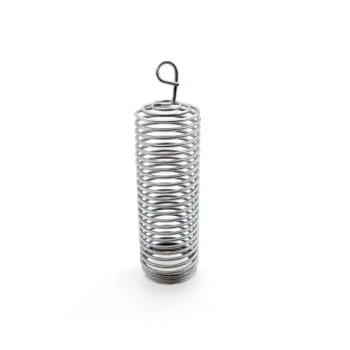
- Durable Galvanized Steel Spring Queen Bee Cage
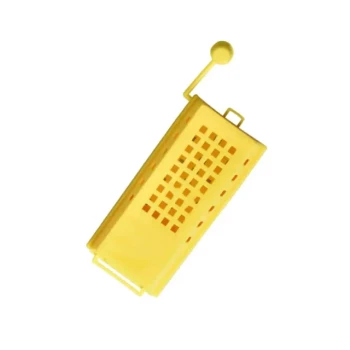
- Professional Queen Cage with Sliding Gate and Feeder Plug
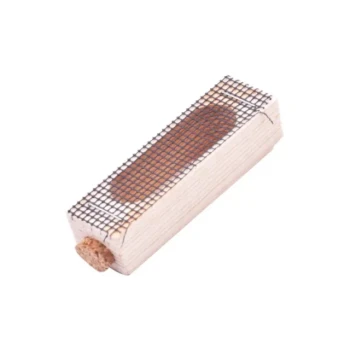
- Classic Wooden and Mesh California Queen Cage
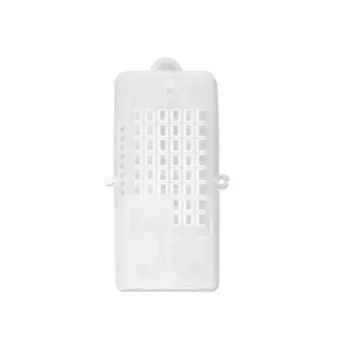
- Professional Queen Bee Introduction and Transport Cage
- Professional Multi-Functional Queen Bee Cage
People Also Ask
- Why are specialized queen bee cages used for the banking of mated queen bees? Maximize Commercial Apiary Storage Efficiency
- What is the mechanism of action for using temporary queen bee cages? Master Successful Queen Introduction
- What is the step-by-step process for installing a queen bee's cage onto a frame? Ensure Hive Acceptance Safely
- What is the optimal placement for a queen bee cage? Essential Strategies for Successful Re-queening
- What are the advantages and disadvantages of introducing a queen bee by embedding the cage? Boost Your Queen Acceptance