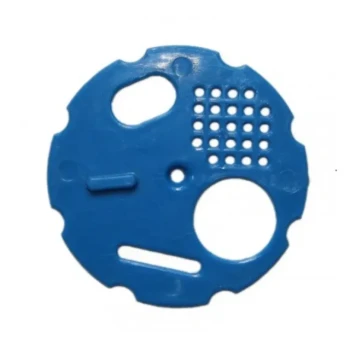
Controlling the hive environment is critical for disease management. Advanced beehive components, such as ventilated bottom boards and adjustable entrances, are necessary because they actively reduce the high internal humidity that fuels Nosemosis. By physically lowering moisture levels, these designs inhibit the survival of Nosema spores and prevent the conditions that lead to rapid disease transmission.
By managing airflow to lower humidity, you create a physical environment where Nosema spores cannot thrive. This intervention breaks the transmission cycle by reducing spore viability and minimizing internal defecation, the primary vector for the disease's spread.
The Relationship Between Humidity and Pathogens
The Danger of Moisture
High humidity within a hive is not merely an environmental factor; it is a catalyst for disease.
Elevated moisture levels significantly increase infection rates of Nosemosis.
Inhibiting Spore Survival
The Nosema pathogen requires specific conditions to remain viable.
Advanced ventilation components work by physically lowering internal humidity levels. This drier environment actively inhibits the survival of Nosema spores, reducing the pathogen load available to infect the colony.
Breaking the Transmission Mechanism
Reducing Internal Defecation
A critical factor in the spread of Nosemosis is the behavior of the bees themselves.
High humidity conditions often force honeybees to defecate inside the hive rather than taking cleansing flights.
Slowing the Spread
When bees defecate inside, they release spores into the colony's living space.
By controlling humidity and reducing the frequency of internal defecation, advanced components slow the spread of the disease from the infected source to healthy bees.
Key Components for Environmental Control
Ventilated Bottom Boards
These components are essential for passive moisture removal.
By allowing vertical airflow, ventilated bottom boards prevent moisture accumulation at the bottom of the hive, directly addressing the humidity variable.
Adjustable Hive Entrances
Static entrances often trap moisture during critical seasons.
Adjustable designs allow beekeepers to modulate airflow, helping to maintain a drier internal microclimate that is hostile to Nosemosis.
Understanding the Trade-offs
Balancing Temperature and Humidity
While removing moisture is vital for disease control, excessive ventilation can create thermal challenges.
If a hive is over-ventilated in cold climates, the colony must consume more honey to maintain the necessary brood temperature.
Management Complexity
Advanced components like adjustable entrances require more active monitoring than standard equipment.
You must adjust these components based on external weather conditions to ensure you are reducing humidity without causing chilling drafts.
Making the Right Choice for Your Colony
To effectively manage Nosemosis, you must view your hive components as active tools for environmental control.
- If your primary focus is reducing infection rates: Implement ventilated bottom boards to physically lower humidity and inhibit spore survival.
- If your primary focus is hygiene management: Use adjustable entrances to optimize airflow, preventing the conditions that force bees to defecate inside the hive.
Controlling the atmosphere within the hive is your most effective passive defense against the spread of Nosemosis.
Summary Table:
| Component | Primary Function | Disease Prevention Benefit |
|---|---|---|
| Ventilated Bottom Boards | Enables vertical airflow and passive moisture removal | Lowers humidity to inhibit Nosema spore survival |
| Adjustable Entrances | Modulates airflow based on external weather | Prevents internal defecation by maintaining a dry microclimate |
| Humidity Control | Reduces internal water vapor saturation | Slows the pathogen transmission cycle between bees |
| Thermal Management | Balances air exchange with heat retention | Maintains colony strength while reducing moisture-related stress |
Scale Your Apiary with Disease-Resistant Equipment from HONESTBEE
Protecting your colonies from pathogens like Nosemosis requires precision-engineered solutions. HONESTBEE provides commercial apiaries and distributors with the high-quality, advanced beehive components and beekeeping machinery needed to maintain optimal hive health. From ventilated hardware to honey-filling machines and essential consumables, our comprehensive wholesale offering is designed to enhance your operational efficiency and harvest yield.
Ready to upgrade your inventory or commercial operation? Contact us today to explore our full spectrum of beekeeping tools and equipment!
References
- Onur Tosun, Hilal Baki. The Presence and Distribution of Nosemosis Disease in Turkey. DOI: 10.35206/jan.688866
This article is also based on technical information from HonestBee Knowledge Base .
Related Products
- Stainless Steel Round Beehive Air Vents for Ventilation
- Steel Round Disc Entrance Reducer for Flexzion Bee Hive Nuc Box Gate
- Inner Beehive Cover for Beekeeping Bee Hive Inner Cover
- Professional Reversible Beehive Hive Entrance
- Professional Insulated Plastic Bee Hives
People Also Ask
- How does ventilation affect colony health, and how should it be managed seasonally? A Guide to Preventing Moisture & Overheating
- Why is proper ventilation important in a beehive? Prevent Mold, Regulate Temperature, and Boost Colony Health
- How can a beekeeper provide proper ventilation for a beehive throughout the year? Seasonal Strategies for Bee Health
- How can ventilation be added to a beehive without using an inner cover? Simple, Effective Solutions for Healthy Hives
- Why is good ventilation crucial when transporting beehives? Protect Your Colony from Lethal Overheating