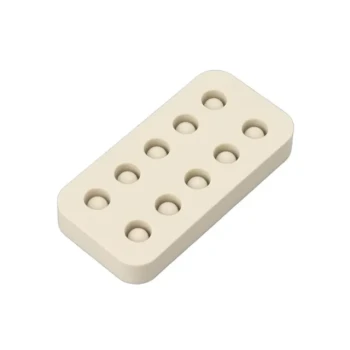
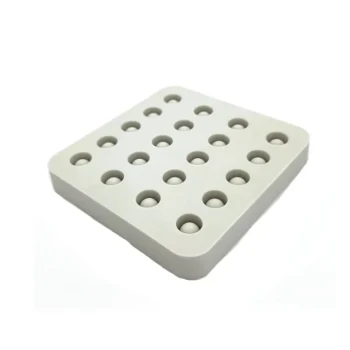
Cup-holder frames and acrylic queen cups act as the fundamental infrastructure for modern, scalable royal jelly production. Together, they create a standardized scaffolding system that simulates the natural queen cell environment, tricking the colony into mass-producing jelly while enabling the hygienic, high-efficiency workflows required for commercial harvesting.
Core Insight: These components bridge the gap between biological instinct and industrial efficiency. They standardize the "nursery" environment to induce mass secretion from nurse bees, transforming a delicate natural process into a repeatable, scalable production line.
Simulating the Natural Environment
The primary function of these components is to mimic nature effectively enough to trigger specific biological behaviors in the hive.
Inducing the Nurse Instinct
Royal jelly production relies on the modified Doolittle grafting method.
Technicians transfer young larvae into these artificial cups, which simulate the physical dimensions of natural queen cells.
This triggers an instinctual response in worker bees to secrete massive quantities of royal jelly to feed what they perceive as developing queens.
The Role of the Frame
The cup-holder frame serves as the structural backbone for this simulation.
It holds rows of artificial cups in a precise arrangement, allowing a single colony to "rear" dozens of pseudo-queens simultaneously.
This density significantly increases the biological output of royal jelly per hive compared to natural conditions.
Achieving Operational Efficiency
Beyond biology, these components are essential for the logistics of harvesting.
Standardization for Grafting
Acrylic cups provide a uniform geometry that natural beeswax cells lack.
This consistency creates a predictable target for technicians, significantly improving the speed and accuracy of manual larval grafting.
Facilitating Mechanical Collection
The standardized design of the cups and frames is critical for automation.
Because every cup is identical and positioned precisely, mechanical or semi-mechanical extraction equipment can harvest the jelly rapidly.
This reduces labor costs and minimizes the time frames are out of the hive, protecting the quality of the jelly.
Why Acrylic Material Matters
The choice of acrylic (or food-grade plastic) over natural wax is a strategic decision for purity and longevity.
Chemical Stability and Hygiene
Acrylic is chemically stable and non-porous.
Unlike natural wax, which can absorb contaminants, acrylic ensures the royal jelly remains pure and is not compromised by the container material.
Ease of Sterilization
Reusability is a key factor in commercial operations.
Acrylic cups can be rigorously sterilized between cycles without degrading.
This maintains high sanitary standards, which is essential when producing royal jelly for human consumption or pharmaceutical use.
Understanding the Trade-offs
While acrylic and plastic components offer operational superiority, they introduce biological challenges that must be managed.
The Acceptance Rate Challenge
Bees naturally prefer their own wax over synthetic materials.
Pure acrylic or plastic cups typically have lower acceptance rates by worker bees compared to natural beeswax cups.
If the bees reject the artificial cup, they will remove the larva, resulting in zero production for that unit.
The Hybrid Solution
To mitigate rejection, a common best practice is to coat the acrylic cups with a thin layer of beeswax.
This provides the mechanical strength and standardization of plastic while offering the biocompatibility and texture of natural wax.
This hybrid approach ensures high acceptance rates while maintaining the benefits of a reusable, rigid structure.
Making the Right Choice for Your Goal
When selecting components for your production system, align your choice with your operational priorities.
- If your primary focus is Maximum Acceptance: Prioritize coating your acrylic cups with beeswax to mimic natural texture and ensure nurse bees accept the grafted larvae.
- If your primary focus is Hygiene and Purity: rely on high-quality, food-grade acrylic cups that can be sterilized frequently to prevent contamination during extraction.
- If your primary focus is Scalability: Ensure your cup-holder frames are compatible with mechanical grafting and harvesting equipment to reduce labor bottlenecks.
Success in royal jelly production lies in using these tools to balance the biological needs of the bee with the sanitary requirements of the market.
Summary Table:
| Component | Key Function | Material Advantage |
|---|---|---|
| Cup-Holder Frame | Structural backbone for mass rearing | Precise arrangement for high-density production |
| Acrylic Queen Cups | Simulates queen cell geometry | Chemically stable, non-porous, and easy to sterilize |
| Standardized Rows | Facilitates mechanical collection | Enables rapid, automated harvesting and lower labor costs |
| Hybrid Coating | Enhances bee acceptance rates | Combines synthetic durability with natural wax texture |
Scale Your Royal Jelly Production with HONESTBEE
At HONESTBEE, we specialize in empowering commercial apiaries and distributors with the industry's most reliable beekeeping infrastructure. From precision-engineered cup-holder frames and acrylic queen cups to high-capacity honey-filling machines, our comprehensive wholesale catalog is designed to optimize your output and ensure product purity.
Whether you are upgrading a professional queen rearing operation or sourcing specialized machinery for honey-themed merchandise, our team provides the tools and consumables necessary for global success. Contact us today to discuss your bulk equipment needs and discover how our specialized hardware can transform your apiary's efficiency.
References
- Maria Josiane Sereia, Priscila Wielewski. Alternative sources of supplements in Africanized honeybees submitted to royal jelly production. DOI: 10.4025/actascianimsci.v35i2.16976
This article is also based on technical information from HonestBee Knowledge Base .
Related Products
- Premium Nicot Style Cell Bar Holder and Queen Cell Cup Holder System
- JZBZ Type Wide Base Plastic Queen Cell Cups for Base Mounting and Queen Rearing
- 10-Cell Silicone Beeswax Bee Queen Cups Forming Mold
- Clear Black Plain Polystyrene Queen Bee Grafting Cell Cups No Lug for Bee Queen Cup
- JZBZ Langstroth Queen Rearing Frame for Beekeeping
People Also Ask
- What roles do specialized queen cell cups play in royal jelly production? Optimize Your Hive's Secretion and Yield
- What role do specialized queen rearing tools play in developing mite-resistant honeybee stock? Master Genetic Selection
- What materials are used to make artificial queen cell cups for grafting? Beeswax vs. Plastic Guide
- Why is a diluted royal jelly solution applied to queen cell cups? Boost Acceptance in Artificial Grafting
- How does the standardized depth of queen cell cups affect larval acceptance? Boost Success with 6mm Precision