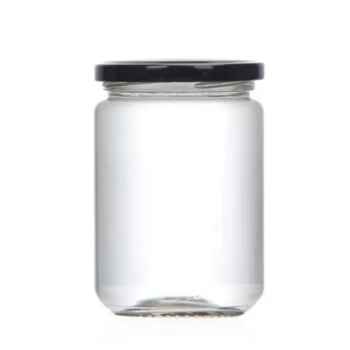
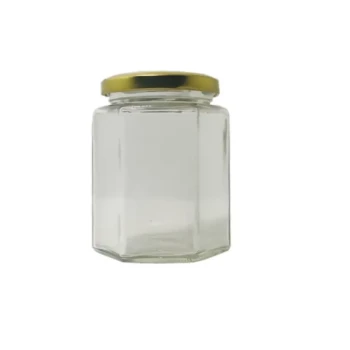
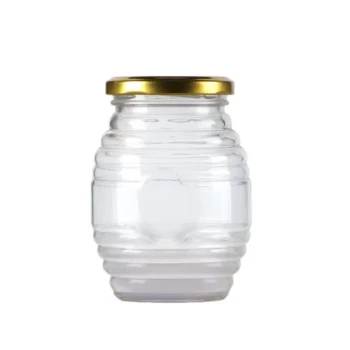
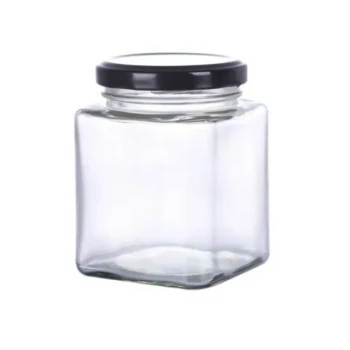
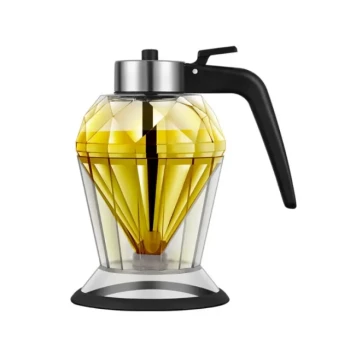
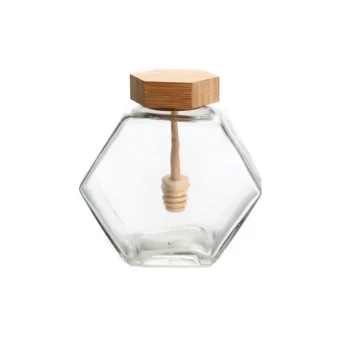
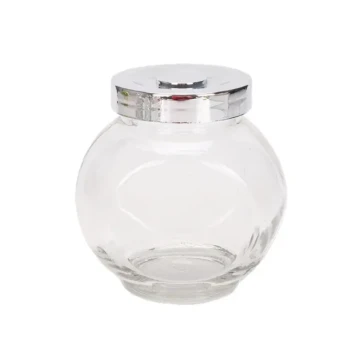
Glass bottles are the preferred choice for honey sample collection primarily because honey is an acidic substance with a complex biochemical profile. Using glass ensures high chemical stability, preventing the container material from migrating into the sample and reacting with the honey, which is critical for maintaining sample purity.
Additionally, glass provides superior isolation properties that protect heat-sensitive enzymes, such as catalase and amylase, from degradation in room-temperature environments. This preservation is essential for ensuring that subsequent biochemical testing yields accurate, representative results.
Core Insight: The choice of container is not just about storage; it is about data integrity. Glass acts as a neutral vault, ensuring that the acidity of the honey does not trigger chemical leaching and that the biological "fingerprint" of the enzymes remains unaltered for analysis.
The Critical Role of Chemical Inertness
Preventing Material Migration
Honey is naturally acidic. When stored in inferior containers, this acidity can cause substances from the packaging to migrate into the honey.
Preserving Mineral Purity
Glass offers exceptional chemical stability. Unlike certain plastics, clean glass prevents potential trace metal contamination, ensuring that the honey’s original mineral profile remains authentic.
Stability Against Complex Components
Honey contains complex organic acids and bioactive substances. Glass is chemically inert, meaning it will not react with these components, thereby avoiding the introduction of foreign impurities that could skew test data.
Protecting Biological and Physical Integrity
Safeguarding Heat-Sensitive Enzymes
The accuracy of biochemical indicators relies heavily on the status of enzymes like catalase and amylase. These enzymes are heat-sensitive and prone to degradation.
Minimizing Environmental Impact
The isolation properties of glass help protect these enzymes from degrading in standard laboratory environments. This ensures that the biological activity measured in the lab reflects the honey's condition at the time of collection.
The Moisture Barrier
Honey is hygroscopic, meaning it readily absorbs moisture from the air. High-quality glass bottles with superior sealing performance effectively block external moisture ingress.
Preventing Fermentation
By locking out moisture, glass containers prevent the honey from fermenting or spoiling. This maintains the stability of physicochemical indicators prior to analysis.
Operational Advantages in the Lab
Visual Inspection
High-transparency glass allows laboratory personnel to visually inspect the sample without opening the container. This is crucial for identifying crystallization, layering, or impurities immediately.
Lossless Collection
Wide-mouth glass jars are often selected to facilitate sample collection. This design minimizes waste and ensures the sample collected is truly representative of the bulk product.
Understanding the Trade-offs
While glass is the gold standard for analytical precision, it is not without challenges. It is heavier than plastic and prone to breakage, requiring careful handling during transport.
Furthermore, while transparency assists visual inspection, light can cause photochemical degradation. Therefore, clear glass bottles must often be stored in dark or light-shielded conditions to prevent light-induced spoilage.
Making the Right Choice for Your Goal
Select your storage method based on the specific parameters you intend to analyze.
- If your primary focus is Biochemical Accuracy: Choose glass to protect sensitive enzymes like amylase and catalase from degradation and chemical interference.
- If your primary focus is Trace Metal Analysis: Choose glass to eliminate the risk of metallic leaching or contamination often associated with plastics.
- If your primary focus is Moisture Control: Use sealed glass to create an impermeable barrier against humidity and fermentation.
Ultimately, glass is the only material that guarantees the sample on the microscope slide is chemically identical to the sample in the hive.
Summary Table:
| Feature | Advantage of Glass in Honey Analysis | Impact on Sample Integrity |
|---|---|---|
| Chemical Stability | Inert material, non-reactive to honey's acidity | Prevents material migration and trace metal contamination |
| Enzyme Protection | Superior thermal and chemical isolation | Preserves heat-sensitive enzymes like catalase and amylase |
| Moisture Barrier | Exceptional sealing and impermeable surface | Prevents hygroscopic moisture absorption and fermentation |
| Transparency | High-clarity visual inspection | Allows immediate detection of crystallization or impurities |
Elevate Your Beekeeping Operations with HONESTBEE
At HONESTBEE, we understand that precision in the lab and efficiency in the field are the twin pillars of a successful commercial apiary. Whether you are a large-scale producer or an industry distributor, our comprehensive wholesale solutions are designed to support your growth.
Our Value to You:
- Professional Equipment: From high-precision honey-filling machines to industrial hive-making hardware.
- Quality Consumables: A full spectrum of beekeeping tools and premium storage solutions that ensure your product's purity from hive to bottle.
- Market Expansion: A diverse portfolio of honey-themed cultural merchandise to enhance your brand appeal.
Ready to upgrade your production capacity or supply chain? Contact us today to explore how our specialized machinery and wholesale beekeeping supplies can streamline your business and maximize your yields.
References
- Wissam Al-Rubaie, Dhia F. Al‐Fekaiki. Enzymes Activity Study Of Multiple Types Of Iraqi Honey. DOI: 10.47750/pnr.2022.13.s02.36
This article is also based on technical information from HonestBee Knowledge Base .
Related Products
- Classic Round Glass Honey Jar with Lid
- Hexagonal Glass Honey Jars with Metal Lug Caps Elegant Versatile Packaging
- Classic Glass Honey Jar with Metal Lug Cap for Beehive Storage
- Modern Square Glass Honey Jar with Twist Off Lid
- Premium Diamond-Faceted Glass Honey Dispenser
People Also Ask
- What is the aesthetic appeal of using glass jars for honey? Elevate Your Brand with Premium Packaging
- What are the advantages of glass containers for honey? Elevate Quality and Market Value with Premium Packaging
- How does the appearance of glass jar packaging affect the sales and perception of honey? Boost Your Premium Brand Value
- Why is a glass jar preferred for packaging honey? Ultimate Protection for Purity & Flavor
- What are the advantages of using high-quality glass containers in the commercial packaging of honey? Boost Premium Value