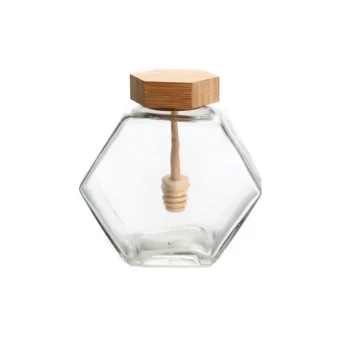
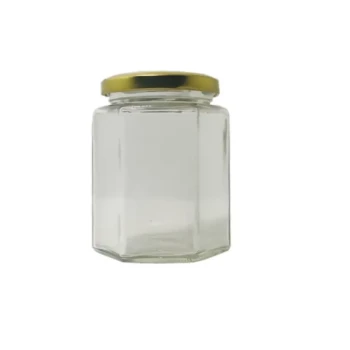
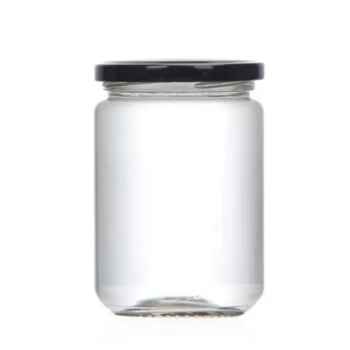
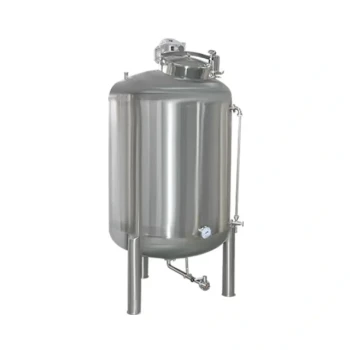
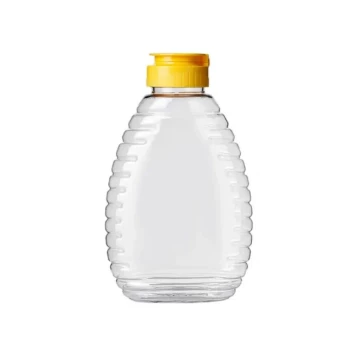
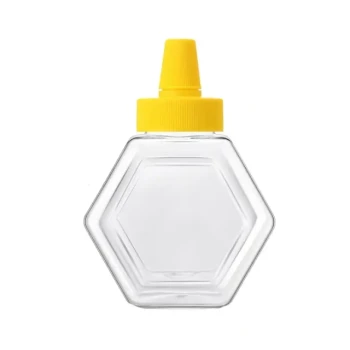
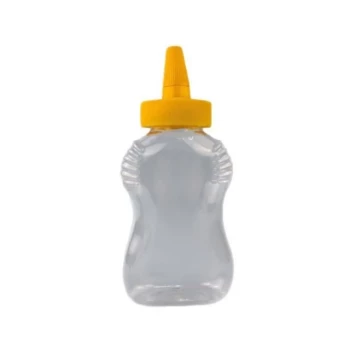
High-cleanliness airtight containers are the critical control point for ensuring the validity of mineral analysis data. They act as a barrier against two specific threats: the dilution of mineral concentrations due to atmospheric moisture absorption and the introduction of external chemical artifacts that skew analytical results.
Core Takeaway Honey is a hygroscopic substance, meaning it naturally attracts and holds water from its environment. Without a high-cleanliness airtight seal, honey samples will absorb moisture, physically altering their mass and chemically diluting mineral concentrations, rendering comparative analysis impossible.
The Hygroscopic Threat to Data Accuracy
The Mechanism of Dilution
Honey has a low water activity and naturally seeks equilibrium with the surrounding atmosphere. If a container is not airtight, the honey will absorb environmental water.
Why This Ruins Mineral Analysis
Mineral analysis relies on precise quantitative measurements (e.g., milligrams of mineral per kilogram of honey). If the sample absorbs water, its total weight increases, but the mineral content remains the same. This artificially lowers the concentration reading, creating a "dilution error" that invalidates the data.
Ensuring Chemical Integrity
Preventing Contamination
"High-cleanliness" refers to the absence of background contaminants on the container surface. Dust and particulate matter in the air often contain trace minerals. An airtight seal prevents these external impurities from settling into the sample and inflating mineral counts.
Avoiding Container Leaching
While the primary focus is sealing, the material's inertness is equally vital. High-quality containers (often glass or specialized plastics) prevent the migration of container materials into the honey. This ensures that the minerals detected during analysis are actually from the honey, not leached from the storage vessel.
Biological Stability
Inhibiting Microbial Growth
Water absorption does more than just dilute the sample; it raises the moisture content above the critical 20% threshold. This environment allows osmophilic yeasts to proliferate.
Stopping Fermentation
Yeast activity leads to fermentation, which fundamentally alters the sample's chemical composition. By maintaining an airtight seal, you prevent the moisture uptake that triggers spoilage, ensuring the sample remains chemically representative of its original state.
Common Pitfalls to Avoid
Even with the right container, errors can occur.
- Plastic Permeability: Some standard plastics are not truly airtight over long periods, allowing slow moisture ingress.
- Improper Cleaning: A container may look clean but still hold chemical residues from manufacturing. "High-cleanliness" often requires acid-washing protocols for trace mineral work.
- Headspace: Excessive air left inside a sealed container (large headspace) contains moisture that can be absorbed by the honey.
Making the Right Choice for Your Goal
Select your storage method based on the precision required for your project:
- If your primary focus is high-precision quantitative analysis: Prioritize chemically inert materials (like borosilicate glass) with Teflon or similar high-integrity liners to prevent both leaching and moisture ingress.
- If your primary focus is preventing biological spoilage: Ensure the seal is absolute to keep moisture content strictly below 20%, preventing the activation of dormant yeasts.
Ultimately, the container is not just a storage vessel; it is a component of the analytical instrument that preserves the sample's truth.
Summary Table:
| Factor | Risk Without Airtight Seal | Impact on Mineral Analysis |
|---|---|---|
| Hygroscopy | Absorption of atmospheric moisture | Dilutes mineral concentrations, skewing quantitative data |
| Cleanliness | Introduction of dust and particulates | Causes false-positive readings for trace minerals |
| Stability | Moisture levels rising above 18-20% | Triggers fermentation and alters chemical composition |
| Leaching | Chemical migration from container walls | Introduces non-honey artifacts into the analytical results |
Elevate Your Beekeeping Standards with HONESTBEE
Precise analysis starts with the right equipment. At HONESTBEE, we understand that commercial apiaries and distributors require more than just tools—they need reliability and precision. We provide a comprehensive wholesale range of professional beekeeping machinery, high-quality hive-making equipment, and essential industry consumables designed to protect your product's integrity.
Whether you are scaling up honey production or seeking specialized honey-filling solutions, our expertise ensures your operations meet global standards. Contact us today to explore our full spectrum of beekeeping hardware and machinery and see how we can add value to your business.
References
- Datti Yau, N. Hafsat. COMPARATIVE ANALYSIS OF THE MINERAL COMPOSITIONS OF HONEY SAMPLES COLLECTED FROM THE THREE SENATORIAL DISTRICTS OF KANO STATE, NIGERIA. DOI: 10.33003/fjs-2020-0403-267
This article is also based on technical information from HonestBee Knowledge Base .
Related Products
- Hexagonal Glass Honey Jar with Wooden Lid Integrated Dipper Elegant Functional Storage
- Hexagonal Glass Honey Jars with Metal Lug Caps Elegant Versatile Packaging
- Stainless Steel Honey Storage Tank with Lid for Honey
- Classic Glass Honey Jar with Metal Lug Cap for Beehive Storage
- Modern Square Glass Honey Jar with Twist Off Lid
People Also Ask
- What are the benefits of glass jars regarding strength and safety for storing honey? Ensure Purity and Long-Term Quality
- What are the advantages of using glass jars for honey storage? Ensure Purity and Premium Appeal for Your Product
- What is the aesthetic appeal of using glass jars for honey? Elevate Your Brand with Premium Packaging
- What are the advantages of glass containers for honey? Elevate Quality and Market Value with Premium Packaging
- What are the benefits of using high-transparency Glass Jars for honey? Elevate Purity and Premium Branding