High-precision industrial platform scales are the fundamental tool for converting beekeeping observations into hard data. To accurately evaluate honey yield, these devices provide stable, gram-level weight readings even in rugged field environments. By weighing the total hive and subtracting the mass of the equipment and the bees themselves, these scales allow for the precise calculation of net honey production, serving as a definitive metric for colony performance.
High-precision scales transform yield evaluation from a rough estimate into an exact science. They isolate the specific weight of the honey from the hive infrastructure, providing a baseline to measure how environmental stressors, such as pesticides, impact foraging productivity.
The Mechanics of Accurate Yield Calculation
Isolating Net Yield from Infrastructure
To determine true honey yield, you cannot simply weigh the hive. You must calculate the net weight.
High-precision scales allow you to weigh the entire setup before and after the foraging period. By subtracting the known weight of the hive body, combs, and the bee colony itself, you derive the exact mass of the honey produced.
Precision Down to the Gram
Standard agricultural scales often lack the resolution required for scientific analysis.
Industrial platform scales offer gram-level accuracy, capturing even the smallest accumulations of nectar. This sensitivity is required to validate whether a colony is thriving or merely surviving.
Stability in Field Environments
Beehives are rarely located in controlled laboratory settings.
These scales are engineered to provide stable readings despite the uneven ground and variable conditions typical of an apiary. This ensures that data remains consistent regardless of the physical environment.
Beyond Honey: Monitoring Colony Health
Detecting Environmental Stressors
Honey yield is a primary indicator of how well a colony is interacting with its environment.
By monitoring precise weight changes, researchers can evaluate the impact of environmental stressors, such as neonicotinoid pesticides. A drop in expected yield often correlates directly with reduced productivity caused by chemical exposure.
Non-Invasive Monitoring
Traditional inspection methods require opening the hive, which disrupts the colony.
Scales provide vital physical indicators of colony vigor without invasive interference. They allow beekeepers to track foraging intensity during nectar flow and food reserve consumption during winter.
Early Warning Systems
Weight data serves as a real-time health check.
Rapid weight loss can indicate excessive food consumption during overwintering, while sudden drops may signal swarming events. This allows for early intervention before a colony collapses.
Understanding the Limitations
Mass vs. Activity
While scales are essential for yield, they measure result, not behavior.
A scale records the weight gain from nectar, but it does not tell you how many bees achieved that gain. For a complete picture, scales are often paired with electronic bee counters, which track entry and exit frequencies to quantify activity intensity.
The Dependency on "Tare" Weight
The accuracy of your yield data is entirely dependent on knowing the weight of your equipment.
If you do not accurately weigh the hive body, combs, and bee population (the "tare" weight) beforehand, the data provided by the high-precision scale loses its analytical value.
Making the Right Choice for Your Goal
To maximize the value of your data, align your measurement strategy with your specific objective:
- If your primary focus is measuring production efficiency: Prioritize scales with high stability to calculate net yield by strictly subtracting equipment and colony weight.
- If your primary focus is environmental impact assessment: Use the scale to track deviations in weight gain as a proxy for the effects of stressors like pesticides on foraging productivity.
- If your primary focus is colony survival: Utilize the scale for non-invasive monitoring of winter food reserves to detect critical shortages early.
Precision measurement is the bridge between observing a hive and truly understanding its productivity.
Summary Table:
| Feature | Benefit for Honey Yield Evaluation |
|---|---|
| Gram-Level Precision | Detects minute nectar accumulations for exact net yield calculations. |
| High Stability | Ensures consistent data readings in rugged, uneven apiary environments. |
| Non-Invasive Monitoring | Tracks colony health and food reserves without disrupting the bees. |
| Environmental Insights | Identifies the impact of pesticides and stressors through weight deviations. |
| Early Warning System | Detects swarming or starvation risks via real-time weight changes. |
Maximize Your Apiary Productivity with HONESTBEE
At HONESTBEE, we understand that precision data is the foundation of a successful commercial operation. We cater to commercial apiaries and distributors by providing a comprehensive wholesale range of high-performance beekeeping tools and industrial-grade machinery.
From high-precision scales and specialized hive-making machines to advanced honey-filling lines and essential industry consumables, our portfolio is designed to enhance your efficiency and yield. Whether you are scaling your production or supplying the industry, our expertise ensures you have the hardware and support to thrive.
Ready to upgrade your beekeeping infrastructure? Contact HONESTBEE Today for Wholesale Solutions
References
- Julia Osterman, Joachim R. de Miranda. Clothianidin seed-treatment has no detectable negative impact on honeybee colonies and their pathogens. DOI: 10.1038/s41467-019-08523-4
This article is also based on technical information from HonestBee Knowledge Base .
Related Products
- Heavy-Duty Ergonomic Grip Galvanized Pollen Shovel
- HONESTBEE AC Powered Wire Embedder with Alligator Clips
- Solar Beeswax Melter Easy Solar Wax Melter for Beeswax
- Professional Dual Action Queen Excluder Scraper for Beekeeping
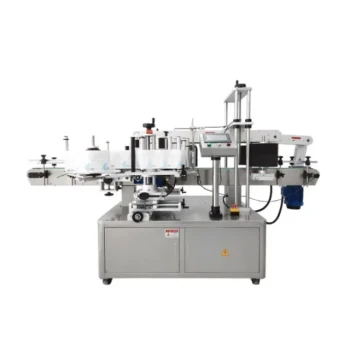
- Automatic Dual Sided In Line Labeling Machine
People Also Ask
- For what reasons do beekeepers collect bee pollen? Boost Hive Health and Unlock New Revenue Streams
- Why should commercial apiaries focus on the collection of diversified bee products? Maximize Your Hive’s Profit Potential
- How do bee pollen collection tools affect the quality of bee pollen used in functional dairy ice cream production?
- How does a specialized pollen collector facilitate the harvesting of diverse bee products? Automate High-Value Yields
- What is the impact of pollen collectors and associated equipment on the cost structure of pollen production? Maximize ROI