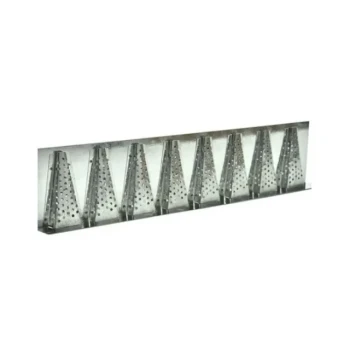
Industrial-grade hive entrance guards and ventilation facilities are critical asset protection tools for apiary operations. They serve as the primary mechanism for regulating the hive's internal environment and physical security, directly preventing colony loss. By ensuring adequate oxygenation during transport and blocking predators during dormancy, these components preserve the workforce necessary for future production.
The strategic application of these guards is not merely a safety measure; it is an investment in yield assurance. By stabilizing the micro-climate and minimizing colony stress, you ensure the bees emerge from winter strong and ready for immediate spring buildup.
Securing the Colony During Relocation
Preventing Population Loss
During transport, the physical integrity of the hive is paramount. Industrial guards lock the hive effectively, preventing bees from escaping while the colony is in transit. This ensures that your entire workforce arrives at the new location intact.
Managing Oxygen Supply
Relocation induces stress and heat within the hive. Ventilation facilities allow for precise control over airflow, ensuring the colony receives adequate oxygen. This prevents suffocation or overheating, which can decimate a colony before it even reaches its destination.
Protecting Assets During Winter Dormancy
Defense Against Rodent Intrusion
Winter presents a specific threat from rodents, particularly mice, seeking warmth. Protective guards act as a physical barrier that prevents these pests from entering the hive. Without this barrier, rodents can destroy honeycomb structures and contaminate the hive environment.
Minimizing Biological Stress
A tranquil environment is essential for bee survival during winter. Intrusion by pests disturbs the dormant bee cluster, causing elevated stress levels. This disturbance forces bees to consume excess energy, significantly increasing winter mortality rates.
Preventing Resource Theft
Food stores are the colony's only lifeline during winter. Entrance guards are designed to stop "robber bees" from other colonies from entering and stealing these vital resources. Protecting these stores ensures the resident colony has the fuel required to survive until the first bloom.
The Direct Link to Production Continuity
Facilitating Spring Buildup
The ultimate goal of wintering is not just survival, but vitality. A colony that winters with low stress and intact resources can expand its population rapidly in the spring.
Maximizing Honey Yield
Production continuity relies on this early season momentum. By reducing mortality through proper guarding and ventilation, you secure the population density required for efficient foraging and subsequent honey production.
Understanding the Operating Trade-offs
Balancing Airflow and Insulation
While ventilation is vital for oxygen and moisture control, over-ventilation during winter can be fatal. An industrial-grade setup must be adjusted to prevent drafts that could chill the cluster while still allowing moisture to escape.
The Risk of Obstruction
Entrance guards, while protective, can become bottlenecks. Dead bees naturally accumulate near the entrance during winter. If the guards are not monitored or properly sized, this debris can block airflow completely, turning the protective measure into a suffocation hazard.
Ensuring Operational Success
To maintain production continuity, select your equipment based on your immediate operational phase:
- If your primary focus is Relocation: Prioritize ventilation capacity to manage heat buildup and oxygen demand during high-stress transport.
- If your primary focus is Wintering: Prioritize rigid physical barriers that prevent rodent intrusion while maintaining a stable, draft-free micro-climate.
Properly implemented, these facilities transition your colony from a vulnerable biological entity into a stable, high-output production asset.
Summary Table:
| Feature | Primary Function | Operational Benefit |
|---|---|---|
| Entrance Guards | Physical barrier against rodents & robber bees | Prevents resource theft and hive contamination |
| Ventilation Slots | Oxygen supply & moisture regulation | Prevents colony suffocation and mold buildup |
| Locking Mechanisms | Secure containment during transport | Eliminates population loss during apiary relocation |
| Micro-climate Control | Stabilizes internal hive temperature | Minimizes biological stress for faster spring buildup |
Scale Your Apiary Success with HONESTBEE Professional Solutions
Maximize your honey yield and protect your investment with high-performance beekeeping infrastructure. HONESTBEE provides commercial apiaries and distributors with premium-grade hive-making machinery, specialized entrance guards, and advanced ventilation equipment designed for industrial durability.
From honey-filling machines to a complete range of beekeeping consumables, our wholesale portfolio is built to ensure your operational continuity. Contact us today to optimize your apiary production and see why industry leaders trust HONESTBEE for comprehensive equipment solutions.
References
- Geetanjali Gupta, Sapna Gupta. Socio-Economic Profile of Beekeepers in Jammu Division: A Demographic and Economic Assessment as as a part of Ph.D Thesis Reserch.. DOI: 10.71097/ijsat.v16.i3.7341
This article is also based on technical information from HonestBee Knowledge Base .
Related Products
- Professional Reversible Beehive Hive Entrance
- Beehive Entrance Reducer Guardian Metal Hive Entrance for Bees
- Steel Round Disc Entrance Reducer for Flexzion Bee Hive Nuc Box Gate
- 8-Cone Galvanized Steel Bee Robber Guard
- Multi-Functional Sliding Hive Entrance for Beekeeping
People Also Ask
- Where is the hive entrance typically located? Optimize Your Hive's Health and Honey Production
- What role does the size of the entrance play in hive ventilation? Master Beehive Climate Control
- What roles does the hive entrance (piquera) play in beehive management and colony health? Essential Guide for Pro Apiaries
- What are the primary advantages of providing a smaller entrance for a beehive? Boost Defense and Winter Survival
- Why adjust beehive entrance size for humidity? Boost Honey Ripening and Varroa Control in Commercial Apiaries