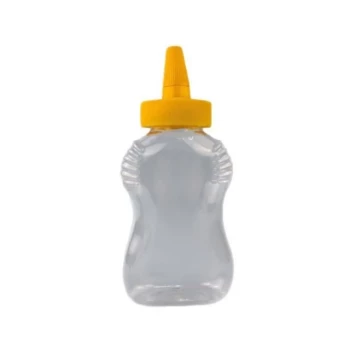
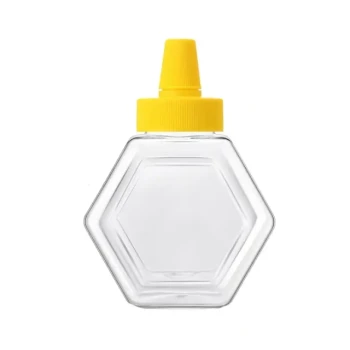
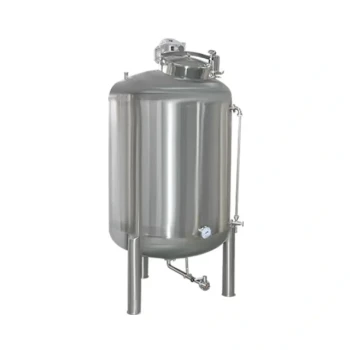
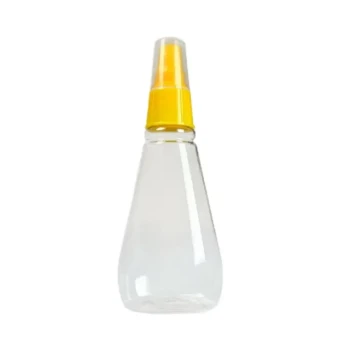
The primary advantage of industrial-grade opaque containers is their ability to completely block light exposure. By preventing ultraviolet rays from penetrating the vessel, these containers stop the acceleration of nutritional degradation, thereby preserving the honey's essential bioactive properties.
Core Takeaway While transparency offers visual appeal, opacity guarantees longevity. Blocking light prevents the breakdown of nutrients, effectively extending honey’s shelf life from approximately one year in transparent packaging to up to three years.
The Critical Role of Light Protection
Blocking Ultraviolet Radiation
The most significant threat to honey’s chemical stability during storage is light. Industrial-grade opaque containers are engineered to create a complete barrier against light, specifically filtering out harmful ultraviolet (UV) rays. When honey is exposed to UV light, the radiation triggers chemical reactions that break down its complex structures.
Preserving Bioactive Properties
Honey is not just sugar; it is a complex substance filled with enzymes and nutrients. Prolonged exposure to light accelerates the degradation of these nutritional components and bioactive properties. By eliminating light exposure, opaque containers maintain the honey's therapeutic efficacy and biological activity over time.
Impact on Shelf Life
Extending Storage Capabilities
The choice of packaging material has a measurable impact on how long honey remains viable. Standard transparent packaging typically supports a shelf life of approximately one year.
The Three-Year Advantage
In contrast, utilizing opaque containers can extend this shelf life to up to three years. This significant increase is vital for industrial storage, where inventory may be held for long periods before bottling or processing.
Understanding the Trade-offs
The Value of Transparency
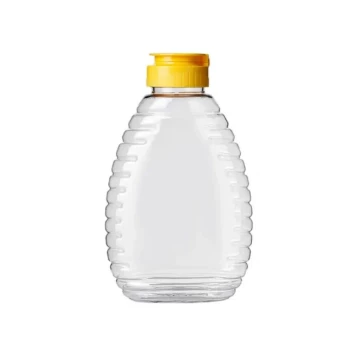
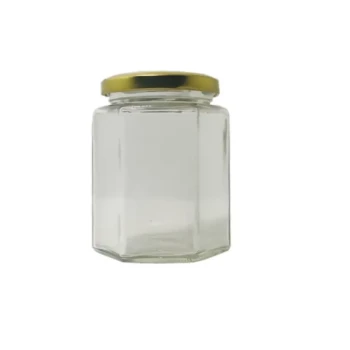
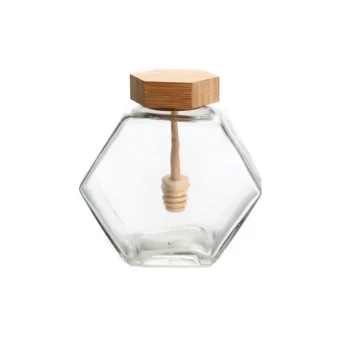
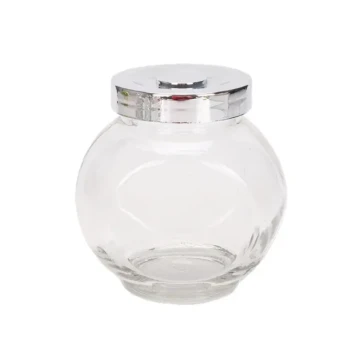
While opaque containers are superior for longevity, they lack the marketing benefits of transparent packaging. High-transparency glass allows consumers to inspect the honey’s color, viscosity, and crystallization levels, which establishes trust and implies premium quality. Transparent packaging effectively turns the product itself into a visual selling point.
Chemical Inertia and Sealing
It is important to note that material composition matters as much as opacity. As noted in supplementary data, glass (often transparent) offers excellent chemical inertia, meaning it does not react with the honey's acids or leach plasticizers. While industrial opaque containers solve the light problem, high-end storage often utilizes materials like dark glass or ceramic to combine light blocking with the chemical stability and airtightness required to prevent oxidation and moisture absorption.
Making the Right Choice for Your Goal
To select the appropriate container, you must prioritize between maximum shelf life and visual marketability.
- If your primary focus is long-term inventory storage: Prioritize industrial-grade opaque containers to block UV light and extend shelf life to three years.
- If your primary focus is retail presentation: Choose high-transparency glass to showcase color and purity, accepting a shorter shelf life for increased market value.
- If your primary focus is purity and flavor preservation: Select chemically inert materials (like glass or ceramic) to prevent oxidation and the leaching of external chemicals.
Ultimately, use opaque vessels to preserve the honey's biology, and transparent vessels to sell its beauty.
Summary Table:
| Feature | Opaque Containers | Transparent Packaging |
|---|---|---|
| Light Protection | 100% UV & Light Blockage | Little to No Protection |
| Shelf Life | Up to 3 Years | Approximately 1 Year |
| Nutritional Preservation | High (Protects Bioactive Properties) | Low (Light Triggers Degradation) |
| Consumer Appeal | Lower (Product is Hidden) | High (Shows Color & Viscosity) |
| Best Use Case | Long-term Industrial Storage | Retail Sales & Visual Branding |
Maximize Your Honey Quality with HONESTBEE
At HONESTBEE, we understand that preserving the bioactive integrity of your honey is critical for your brand's reputation and bottom line. We provide commercial apiaries and distributors with high-performance storage solutions, from industrial-grade opaque containers that tripple shelf life to high-end bottling machinery and beekeeping equipment.
Whether you need robust wholesale supplies or specialized hardware like honey-filling machines and hive-making tools, our comprehensive portfolio is designed to scale your operations. Ensure your inventory remains as pure as the day it was harvested—Contact HONESTBEE today for a wholesale consultation!
References
- Chimène KAUDJHIS ASSI, SAVADOGO NGUESSAN Koffi. Traditional and modern beekeeping practices in the center of Côte dIvoire: the case of the western part of Yamoussoukro. DOI: 10.29322/ijsrp.10.11.2020.p10743
This article is also based on technical information from HonestBee Knowledge Base .
Related Products
- Squeezable No-Drip Beehive-Shaped Honey Jars with Flip-Top Cap
- Classic Honey Bear Jars with Flip Top Dispensing Cap for Liquid Sweeteners
- Hexagonal Glass Honey Jars with Metal Lug Caps Elegant Versatile Packaging
- Hexagonal Glass Honey Jar with Wooden Lid Integrated Dipper Elegant Functional Storage
- Modern Square Glass Honey Jar with Twist Off Lid
People Also Ask
- What food safety standards must honey containers meet? Expert Guide to Packaging Integrity & Hygiene
- Why is it important to distinguish between weight and volume when selecting honey containers? Maximize Profits Now
- What are the benefits of purchasing honey containers in bulk? Maximize Margins & Secure Your Supply Chain
- What types of containers are ideal for storing liquid honey? Preserve Quality with Glass or Plastic
- How many jars of honey can you get from a hive? Maximize Your Yield with Strong Hive Management