Glass jars are the superior choice for honey storage primarily due to their exceptional chemical inertness and ability to form a hermetic, airtight seal. These properties create a stable environment that prevents the honey from undergoing oxidation, reacting with the container walls, or absorbing external odors, effectively maintaining its purity and therapeutic value over years of storage.
Core Insight: Glass acts as an impermeable shield, protecting honey’s complex organic chemistry from moisture and environmental contaminants. While other materials may degrade or interact with the contents over time, glass ensures the honey remains chemically identical to the day it was harvested.
Preserving Chemical Integrity
Unmatched Inertness
Honey contains complex organic acids, enzymes, and bioactive substances. Glass is chemically inert, meaning it will not react with these components.
Preventing Container Leaching
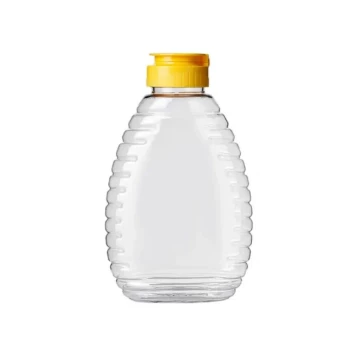
Unlike some plastics or metals, glass does not leach chemicals into the food product. This ensures that the honey's flavor profile and original physicochemical indicators remain unaltered during long-term storage.
Stability for Aging
For traditional uses where honey is aged for its therapeutic value, glass is essential. It ensures the aging process is driven by the honey's internal chemistry rather than external contamination.
Combating Environmental Factors
The Moisture Barrier
Honey is highly hygroscopic, meaning it naturally absorbs moisture from the surrounding air. If moisture levels rise too high, the honey can ferment and spoil.
Airtight Sealing
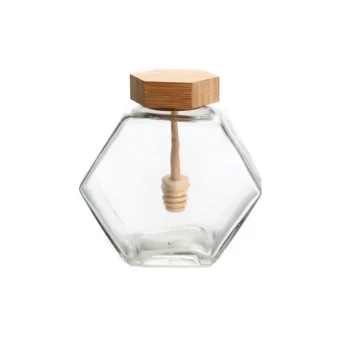
Glass jars, typically paired with high-quality lids, offer superior sealing properties compared to bamboo or lower-grade plastics. This airtight seal effectively isolates the honey from atmospheric moisture, preventing fermentation.
Stopping Oxidation
Exposure to air can degrade honey over time through oxidation. The impermeability of glass prevents air exchange, stabilizing the honey's quality from production to the end consumer.
Maintaining Sensory Quality
Neutral Flavor Profile
Glass is odorless and tasteless. It ensures that the honey does not pick up "plastic" flavors or retain odors from previously stored items.
Isolation from Odors
Because glass is non-porous, it prevents strong environmental odors (such as spices in a pantry) from permeating the container and tainting the honey's delicate aroma.
Understanding the Trade-offs
While glass is the gold standard for chemical stability, it has specific limitations you must manage.
Vulnerability to Light
Clear glass offers no protection against UV rays or sunlight. Direct exposure to light causes photochemical degradation, damaging the honey’s natural enzymes and flavor.
Thermal Considerations
Glass does not insulate well against rapid temperature changes. Honey must be stored in a constant environment (ideally 50°F - 70°F) to prevent rapid crystallization or heat degradation.
Making the Right Choice for Your Goal
To select the best storage method for your specific needs, consider the following:
- If your primary focus is long-term aging: Use airtight glass jars stored in a dark place to preserve therapeutic value and prevent oxidation.
- If your primary focus is preventing spoilage: Ensure the lid provides a perfect seal to stop moisture absorption, which causes fermentation.
- If your primary focus is scientific sampling: Use sterile glass containers to ensure the sample reflects the honey's exact biological and chemical state without interference.
Glass provides the most stable environment for your honey, provided you keep it away from direct light.
Summary Table:
| Feature | Benefit for Honey Storage | Impact on Quality |
|---|---|---|
| Chemical Inertness | Zero reaction with organic acids and enzymes | Maintains purity and therapeutic value |
| Airtight Sealing | Prevents moisture absorption and fermentation | Extends shelf life and prevents spoilage |
| Impermeability | Blocks external odors and air exchange | Preserves delicate flavor and aroma |
| Non-Leaching | No chemical migration into the product | Ensures food safety and chemical integrity |
| Stability | Ideal for long-term aging processes | Facilitates natural maturation without contamination |
Elevate Your Honey Quality with HONESTBEE
At HONESTBEE, we understand that premium honey deserves premium storage and processing solutions. As a dedicated partner to commercial apiaries and distributors, we provide a comprehensive wholesale range of beekeeping tools, specialized machinery, and industry-essential consumables.
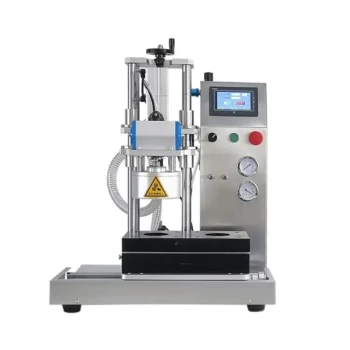
Whether you need precision honey-filling machines to ensure airtight seals in glass jars or professional-grade hive-making equipment, we deliver the hardware you need to maintain the highest standards from harvest to retail.
Ready to scale your production and protect your harvest? Contact our specialists today to explore our full spectrum of wholesale beekeeping solutions and cultural merchandise tailored to your business needs.
References
- Neha Negi, Jagmohan Jagmohan. Traditional beekeeping in the Hilly districts of Himachal Pradesh in North Western Himalayas with Apiscerana. DOI: 10.33545/26180723.2025.v8.i4a.1725
This article is also based on technical information from HonestBee Knowledge Base .
Related Products
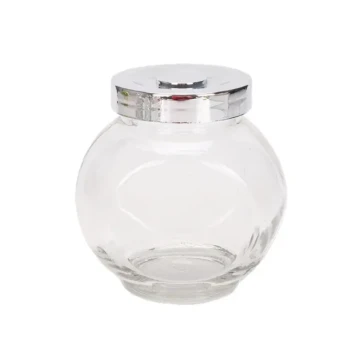
- Classic Drum Shaped Glass Honey Jar with Airtight Lid
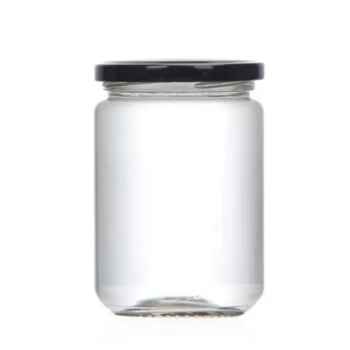
- Classic Round Glass Honey Jar with Lid
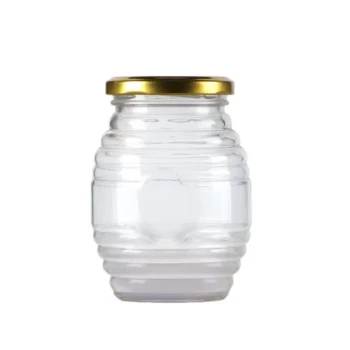
- Classic Glass Honey Jar with Metal Lug Cap for Beehive Storage
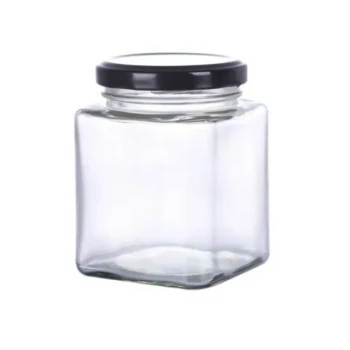
- Modern Square Glass Honey Jar with Twist Off Lid
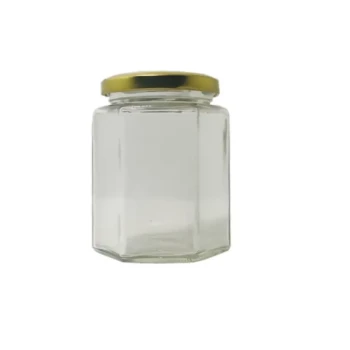
- Hexagonal Glass Honey Jars with Metal Lug Caps Elegant Versatile Packaging
People Also Ask
- What is the best utensil to store honey? Preserve Purity with the Right Container
- How does the appearance of glass jar packaging affect the sales and perception of honey? Boost Your Premium Brand Value
- Why is a glass jar preferred for packaging honey? Ultimate Protection for Purity & Flavor
- What is the aesthetic appeal of using glass jars for honey? Elevate Your Brand with Premium Packaging
- What are the advantages of glass containers for honey? Elevate Quality and Market Value with Premium Packaging