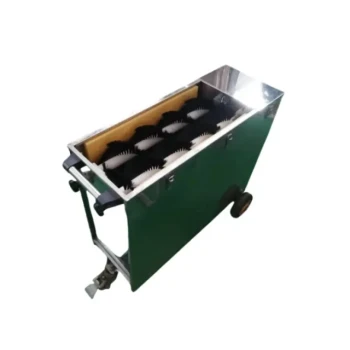
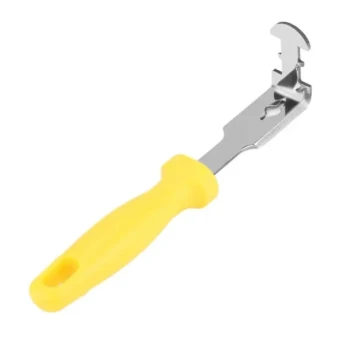
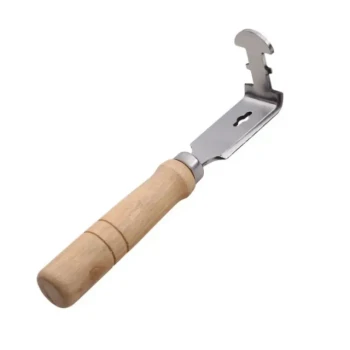
Non-chemical bee colony management tools are the cornerstone of implementing true green beekeeping practices. These tools function by substituting synthetic chemical reagents with physical or biological control mechanisms. This substitution is the essential requirement for eliminating harmful residues, preventing environmental pollution, and maintaining the strict organic integrity necessary for sustainable apiary management.
Core Insight: By shifting from chemical dependency to physical intervention, beekeepers not only protect the ecological purity of their products but also unlock access to high-end environmental certifications and premium markets.
Preserving Product Integrity and Market Value
Eliminating Chemical Residues
The most immediate impact of non-chemical tools is the prevention of contamination. Synthetic reagents used for disease control often leave persistent residues in hive products. Non-chemical tools allow beekeepers to maintain the organic purity of honey and wax by addressing issues physically rather than chemically.
Achieving Environmental Certifications
Green beekeeping is defined by adherence to rigorous standards. Using physical management tools assists beekeepers in achieving high-end environmental certifications. These credentials are often mandatory for entering premium markets that demand proof of sustainable, residue-free production.
Implementing Biological and Physical Controls
Managing Pests Without Pesticides
Effective disease control does not require antibiotics or pesticides. Specialized colony treatment tools allow for the implementation of best-practice protocols against pests like Varroa mites. These physical interventions increase colony survival rates while ensuring the final product meets international safety standards.
Preventing Environmental Pollution
Traditional chemical treatments can impact the ecosystem beyond the hive. Non-chemical management contains the intervention within the physical boundaries of the colony. This prevents the leaching of synthetic substances into the surrounding environment, preserving the ecological integrity of the apiary's location.
Enhancing Colony Welfare and Production
Minimizing Bee Stress
Green management prioritizes the well-being of the insect. High-specification tools, such as precision hive tools and cool-smoke smokers, allow for inspections that do not agitate the colony. Reducing stress serves as a physical guarantee for maintaining strong, productive colonies.
Protecting Nest Structures
In specialized practices like Meliponiculture (stingless beekeeping), the physical toolset is critical for conservation. Dedicated tools allow for hygienic honey extraction without destroying the fragile internal nest structure. This ensures the sustainable utilization of bee resources without compromising the colony's home.
Optimizing Resource Access
Sustainability also involves efficient resource management. Specialized transport equipment allows for the flexible migration of hives to specific habitats based on flowering periods. This mobility maximizes pollination services and honey yield while supporting the study of bee performance across different environmental contexts.
Understanding the Operational Trade-offs
The Requirement for Precision
While non-chemical tools offer superior ecological benefits, they often demand higher precision than chemical alternatives. The use of "high-specification" tools implies that operations must be meticulous and accurate.
Equipment Dependency
Effective green management relies heavily on the quality of the physical gear. Unlike chemical treatments which are consumable, physical interventions require investment in durable, specialized equipment to perform efficient manipulations without disturbing the colony.
Making the Right Choice for Your Goal
Adopting non-chemical tools is not just about equipment; it is about aligning your operational workflow with specific sustainability targets.
- If your primary focus is Market Access: Prioritize tools that eliminate synthetic inputs to ensure your honey meets international safety standards and organic certifications.
- If your primary focus is Colony Welfare: Invest in high-specification inspection tools and smokers that allow for manipulation with minimal stress and mortality.
- If your primary focus is Conservation: Utilize specialized extraction equipment that preserves the internal nest structure, particularly for delicate species like stingless bees.
Ultimately, the transition to non-chemical tools allows the beekeeper to move from simple pest management to a holistic system that safeguards both the product and the environment.
Summary Table:
| Key Benefit | Description | Impact on Green Management |
|---|---|---|
| Residue Elimination | Replaces synthetic chemicals with physical controls | Ensures 100% organic honey and wax purity |
| Pest Management | Uses biological/physical interventions (e.g., Varroa control) | Increases survival without antibiotic dependency |
| Colony Welfare | High-precision tools and cool-smoke smokers | Reduces bee stress and mortality during inspections |
| Structural Integrity | Specialized extraction tools for delicate nests | Enables sustainable harvesting without habitat destruction |
| Market Value | Alignment with international safety standards | Unlocks access to premium and certified organic markets |
Transform Your Apiary into a Sustainable Powerhouse with HONESTBEE
Transitioning to chemical-free management is the definitive path to premium market success. At HONESTBEE, we empower commercial apiaries and global distributors with the high-specification infrastructure needed for true green beekeeping.
Our comprehensive wholesale portfolio includes:
- Advanced Machinery: Precise hive-making and honey-filling machines designed for efficiency.
- Specialized Tools: Non-chemical treatment equipment and ergonomic hive tools that prioritize colony welfare.
- Full-Spectrum Supplies: From essential industry consumables to honey-themed cultural merchandise.
Whether you are scaling a commercial operation or supplying the next generation of eco-conscious beekeepers, HONESTBEE provides the durable hardware and expertise to eliminate chemical dependency.
Ready to elevate your production standards and secure organic certifications?
Contact HONESTBEE today for a comprehensive wholesale consultation
References
- Institutional Support's Influence on Green Beekeeping Adoption in Resource-Constrained Biharamulo Forest Reserve, Tanzania: The Extended Theory of Planned Behavior. DOI: 10.56279/bmrj.v27i2.6915
This article is also based on technical information from HonestBee Knowledge Base .
Related Products
- HONESTBEE 15-in-1 Beekeeper Multi-Tool with Hammer and Pliers for Beekeeping
- HONESTBEE Professional Mini J-Hook Hive Tool for Beekeeping
- Stainless Steel Pollen Shovel with Wooden Handle
- European Stainless Steel Bee Smoker for Honey Bee Hive
- High Performance Cordless Electric Bee Shaker for Beekeeping
People Also Ask
- What is the recommended method for storing beekeeping tools? Expert Vertical Storage Solutions for Your Apiary
- Why is the treatment of beekeeping tools with high-concentration chemical disinfectants necessary for preventing AFB?
- How does a favorable microclimate interact with beekeeping tools? Boost Overwintering Success and Equipment Longevity
- Why design beekeeping tools with ergonomics in mind? Empowering All Beekeepers with Inclusive Equipment
- Why are specialized beekeeping tools and consumables essential? Enhance Colony Management and Honey Yield Today