Pre-moistened sterile swabs are chosen primarily to maximize particle capture while maintaining data integrity. Sterility guarantees that no external biological contaminants are introduced into the sample, while pre-moistening the swab with saline significantly enhances its ability to adsorb virus particles from dry hive surfaces. This combination allows for the effective enrichment of environmental viruses found on components like iron grids without harming the bees.
Effective sampling requires a balance of biological purity and physical adhesion. Pre-moistening provides the necessary moisture to lift pathogens from dry surfaces, transforming a standard swab into a highly sensitive tool for non-invasive monitoring.
The Mechanics of Effective Sampling
Overcoming Dry Surfaces
The interior components of a beehive, such as iron grids at the bottom, present a challenge for sample collection. These surfaces are typically dry, making it difficult for standard materials to pick up microscopic matter.
The Role of Adsorption
Adsorption is the physical adhesion of atoms, ions, or molecules to a surface. A dry swab moving across a dry surface has poor adsorption properties and may leave viral particles behind.
Enhancing Capture with Saline
Pre-moistening the swab with a saline solution fundamentally changes this interaction. The moisture increases the swab's ability to "grab" and retain virus particles, effectively pulling them off the structural components of the hive.
Ensuring Data Integrity
Preventing Exogenous Contamination
The validity of any biological sample rests on its purity. Sterile swabs are non-negotiable because they ensure that the biological material analyzed comes exclusively from the hive.
Eliminating False Positives
Using non-sterile equipment introduces the risk of "exogenous biological contamination." This means introducing outside bacteria or viruses that were not present in the hive, which would render the monitoring data useless.
Targeting Environmental Viruses
This specific technique is designed to enrich the sample with environmental viruses. It effectively captures pathogens spread through bee feces or physical contact, providing a clear picture of the colony's viral load.
Understanding the Trade-offs
Environmental vs. Individual Sampling
This method provides a non-invasive sample source, which is excellent for monitoring the general health of the colony environment. However, it reflects the environment (surfaces, grids) rather than the internal biological state of a specific, individual bee.
Moisture Balance
While moisture is critical, the technique relies on the correct saturation. The swab must be moist enough to facilitate adsorption but not so saturated that it drips or compromises the storage medium.
Making the Right Choice for Your Goal
To ensure your sampling yields useful data, align your methods with your specific monitoring objectives.
- If your primary focus is maximizing viral yield: Ensure swabs are pre-moistened with saline to effectively lift particles from dry structural elements like iron grids.
- If your primary focus is data reliability: Use strictly sterile equipment to prevent the introduction of foreign biological agents that could skew your results.
By leveraging pre-moistened sterile swabs, you achieve a reliable, non-invasive window into the pathogen landscape of the hive.
Summary Table:
| Feature | Benefit | Role in Beehive Sampling |
|---|---|---|
| Sterility | Prevents Contamination | Ensures data reflects only the hive's internal environment. |
| Pre-moistening | Increases Adsorption | Effectively lifts viral particles from dry surfaces like iron grids. |
| Saline Solution | Particle Enrichment | Enhances the capture of pathogens from feces and physical contact. |
| Non-invasive | Colony Safety | Allows for environmental health monitoring without harming the bees. |
Elevate Your Beekeeping Standards with HONESTBEE
Maintaining a healthy colony starts with precise monitoring and the right equipment. As a leading partner for commercial apiaries and distributors, HONESTBEE provides the comprehensive wholesale solutions you need to scale your operations effectively.
From high-precision hive-making and honey-filling machinery to a full spectrum of beekeeping tools and essential consumables, we deliver the quality hardware and cultural merchandise that set industry standards.
Ready to optimize your apiary or restock your distribution line? Contact us today to discover how our professional-grade equipment and machinery can drive your business forward.
References
- Eliška Čukanová, Ivana Papežíková. Can the examination of different types of hive samples be a non-invasive method for detection and quantification of viruses in honey bee (<i>Apis mellifera</i> L.) colonies?. DOI: 10.2478/jvetres-2023-0046
This article is also based on technical information from HonestBee Knowledge Base .
Related Products
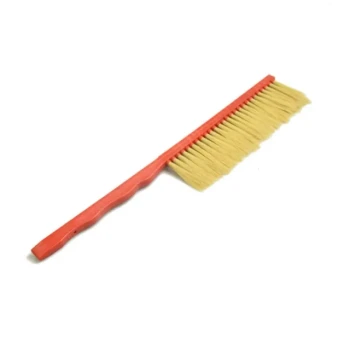
- Plastic Handle Single Row Artificial Fiber Bee Brush
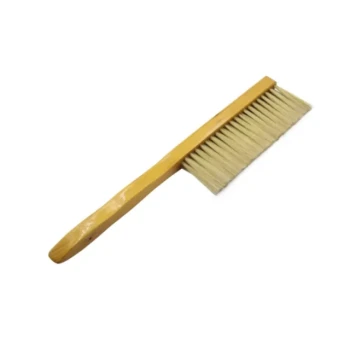
- Wooden Bee Brush with Triple Row Artificial Fiber for Beekeeping
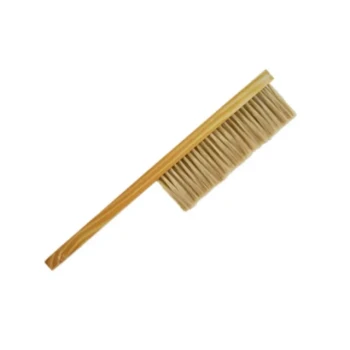
- Double Row Artificial Fiber Bee Brush for Beekeeping
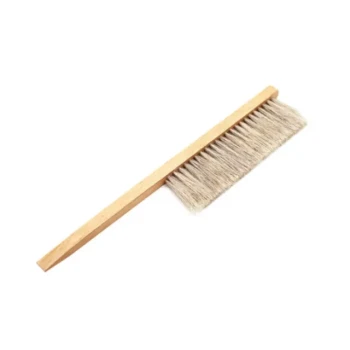
- Wooden Bee Brush with Double-Row Horsehair Bristles
- Professional Bee Smoker with Elongated Spout and Durable Bellows for Beekeeping
People Also Ask
- What is the specific function of a bee brush? Ensure Pure Harvests and Colony Welfare During Honey Extraction
- What is the purpose of using a bee brush during the inspection of hive components? Safe & Precise Hive Management
- What problem does a bee brush solve? Protect Your Colony with Gentle Precision Tools
- What are the key features of a popular bee brush? Essential Design for Bee Safety and Hive Hygiene
- What are the key characteristics of the bristles on a bee brush? Master Gentle and Efficient Bee Removal