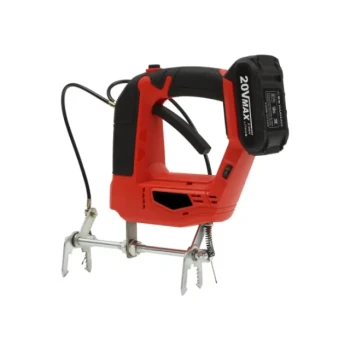
Professional beekeeping and sampling equipment are essential for ensuring data precision and accessibility. In the context of Grayanotoxin research, these tools enable scientists to access specific plant growth areas, such as those of the Rhododendron genus, to collect accurate biological samples. Without this specialized gear, it is impossible to reliably monitor colony health or track toxin levels at the source.
To establish reliable plant-to-honey toxin transfer models, researchers require specialized equipment that goes beyond basic hive management. This technology bridges the gap between raw fieldwork and laboratory analysis, ensuring that variables like seasonal climate fluctuations are accurately captured to guarantee food safety.
Enabling Precise Field Research
Accessing Specific Growth Zones
Grayanotoxin-producing plants, particularly the Rhododendron genus, often thrive in specific, sometimes difficult-to-reach locations. Professional transport and management equipment allow researchers to position bee colonies directly within these targeted growth areas. This proximity ensures that the honey produced is derived primarily from the target plants, providing a pure sample for analysis.
Establishing Transfer Models
The core scientific value lies in creating accurate plant-to-honey toxin transfer models. Specialized sampling tools allow researchers to extract nectar and honey at various stages of production without cross-contamination. This precision is required to mathematically map how much toxin flows from the plant into the final food product.
Synchronizing with Flowering Windows
Effective research requires timing the presence of the colony with the specific flowering periods of the target plants. Utilizing migratory equipment allows for dynamic positioning, ensuring bees are present exactly when toxin levels in the nectar are relevant. This mirrors the logistics used in commercial pollination to maximize resource interaction.
Accounting for Environmental Variables
Monitoring Seasonal Fluctuations
Toxin levels in plants are not static; they often vary based on seasonal climate changes. Professional equipment facilitates continuous monitoring of the hive and the surrounding environment over time. This data helps researchers correlate specific weather patterns or seasonal shifts with spikes or drops in Grayanotoxin levels.
Ensuring Food Safety at the Source
The ultimate goal of this research is often to determine the safety of honey for consumption. Professional sampling gear minimizes human error and external contamination during the collection process. By maintaining a sterile and controlled chain of custody from the hive to the lab, researchers can validate food safety standards with confidence.
Understanding the Trade-offs
Logistical Complexity
While professional equipment yields better data, it introduces significant logistical challenges. Transporting colonies to remote Rhododendron areas requires robust planning to manage the physical stress on the bees. Researchers must balance the need for specific location data against the welfare of the colony during transport.
The Cost of Precision
High-fidelity sampling and monitoring equipment represent a higher financial and technical barrier than standard beekeeping tools. Projects must account for the training required to operate this machinery correctly. Misuse of advanced sampling gear can lead to damaged hives or compromised data sets, negating the benefits of the technology.
Structuring Your Research Approach
Successful Grayanotoxin research relies on matching your equipment list to your specific scientific end-goal.
- If your primary focus is biological modeling: Prioritize high-precision sampling tools that allow for sterile extraction of nectar to map exact toxin transfer rates from plant to honey.
- If your primary focus is environmental impact: Invest in durable monitoring and transport equipment to track how seasonal climate fluctuations influence toxin potency across different altitudes.
By securing the right technical infrastructure, you transform raw environmental data into actionable food safety intelligence.
Summary Table:
| Feature | Research Requirement | Equipment Solution |
|---|---|---|
| Data Accuracy | Precise toxin transfer modeling | Specialized nectar/honey sampling tools |
| Site Access | Positioning hives in Rhododendron zones | Migratory transport & hive management gear |
| Climate Tracking | Monitoring seasonal toxin fluctuations | Integrated environmental monitoring systems |
| Food Safety | Sterile collection & chain of custody | Professional-grade extraction & storage gear |
| Logistics | Balancing colony welfare with transport | Robust hive hardware & transport machinery |
Elevate Your Beekeeping Operations with HONESTBEE
At HONESTBEE, we understand that whether you are conducting critical toxin research or managing a commercial honey production line, precision and durability are non-negotiable. As a leading provider for commercial apiaries and distributors, we offer a comprehensive wholesale portfolio designed to meet every industry need.
Our value to you includes:
- Specialized Machinery: From industrial-grade honey-filling machines to precision hive-making equipment.
- Comprehensive Supplies: A full spectrum of beekeeping tools, hardware, and essential consumables.
- Cultural Merchandise: Honey-themed products to diversify your brand's reach.
Whether you need to equip a research facility or scale a commercial apiary, our expert team is ready to supply the tools for your success.
Ready to upgrade your equipment? Contact us today to explore our wholesale solutions!
References
- Katarína Fatrcová-Šramková, Miroslava Kačániová. Selected toxicological aspects of honey. DOI: 10.36547/ae.2020.2.4.95-99
This article is also based on technical information from HonestBee Knowledge Base .
Related Products
- Stainless Steel J Hook Hive Tool for Beekeeping
- HONESTBEE Professional Mini J-Hook Hive Tool for Beekeeping
- Classic Wooden Bee Brush with Double-Row Boar Bristles
- Full Set Beekeeping Electronic Bee Venom Collector Machine Device for Bee Venom Collecting
- HONESTBEE 15-in-1 Beekeeper Multi-Tool with Hammer and Pliers for Beekeeping
People Also Ask
- What specific challenges do beekeeping hive tools address during hive maintenance? Essential Solutions for Apiaries
- What are the features of a J-hook hive tool? Effortlessly Lift Frames with Superior Leverage
- What is a J-hook hive tool and why is it favored by some beekeepers? Master Gentle Frame Handling
- What is the purpose of the J-hook hive tool? Effortlessly Lift Frames with Superior Leverage
- How is a J-hook hive tool designed and what is its primary use? Master Effortless Hive Inspections