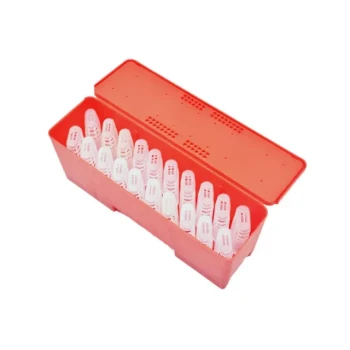
Preventive queen replacement determines the long-term viability of a commercial apiary. Professional queen cages and related introduction hardware are necessary because they provide a critical physical barrier that ensures the safety of young, healthy queens during the delicate introduction phase. By preventing immediate rejection and minimizing colony disturbance, these tools facilitate a rapid transition to egg-laying, which is directly linked to higher overwintering survival rates and colony productivity.
The Core Takeaway Introducing a new queen is a high-risk intervention that pits colony defense mechanisms against necessary management goals. Professional equipment mitigates this risk, acting as an insurance policy that allows the superior genetics and immune health of young queens to successfully establish within the hive.
The Mechanics of Safe Introduction
The Physical Barrier
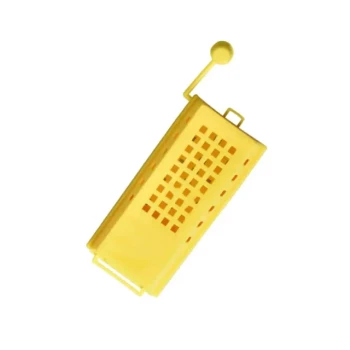
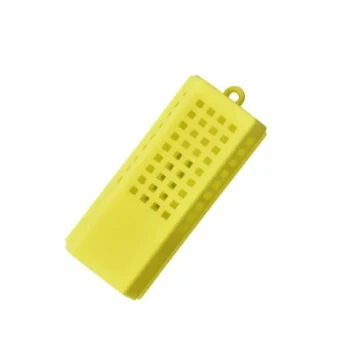
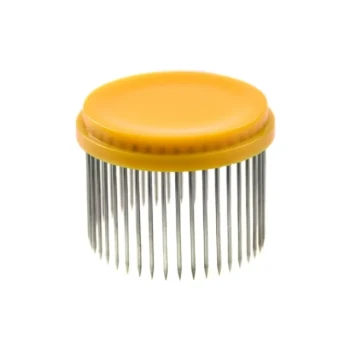
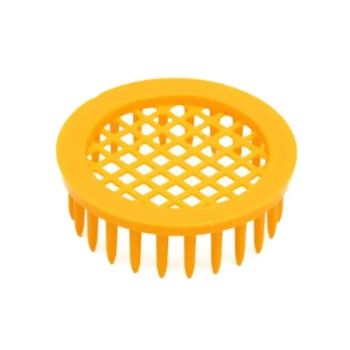
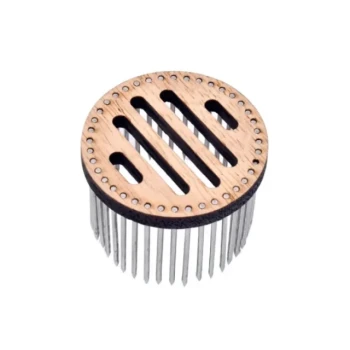
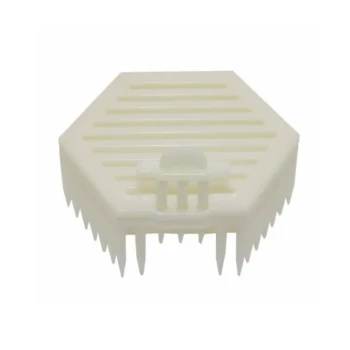
The primary function of a professional queen cage is protection. Without a cage, a colony will often view a new queen as a foreign intruder and kill her immediately. The cage isolates the queen, allowing the colony to acclimate to her pheromones safely before physical contact occurs.
Promoting Acceptance
Standardized introduction tools are designed to release the queen at the precise moment the colony is ready to accept her. This controlled release significantly increases the acceptance rate, preventing the loss of valuable genetic stock.
Minimizing Colony Disturbance
Using professional hardware allows for a swift and standardized exchange process. Reducing the time the hive is open and disrupted lowers the stress levels of the bees, which is crucial for preventing aggression and ensuring the colony returns to normal operations quickly.
Biological and Systemic Benefits
Leveraging Superior Health
Young queen bees, typically introduced via these cages, possess healthier microbial communities and stronger immune regulation. Successfully establishing these queens is essential for bolstering the overall health of the hive against pathogens.
Improving Overwintering Odds
The efficiency of professional cages ensures the new queen begins egg-laying without unnecessary delays. A quick start is vital for building a population of strong "winter bees," which directly correlates to the colony's ability to survive the winter and produce effectively in the spring.
Genetic Optimization
While the cage protects the individual, the strategy protects the genetics. Introducing certified queens via these tools brings traits like disease resistance, lower aggression, and higher foraging efficiency into the apiary.
The Role of Supporting Gear
Operator Precision
While the cage protects the queen, protective equipment (PPE) protects the operator. High-quality suits and gloves reduce operator anxiety, enabling the calm, precise movements required during the delicate process of finding the old queen and placing the new one.
Operational Efficiency
Standardized hive components work in tandem with introduction tools. When frames and hive bodies are uniform, the beekeeper can manipulate the hive structure easily to accommodate the queen cage, streamlining the workflow across hundreds of colonies.
Understanding the Trade-offs
Equipment vs. Timing
Possessing professional cages does not guarantee success if the timing is wrong. Introducing a queen during a nectar dearth or bad weather can lead to rejection regardless of the equipment used; tools cannot override biological instincts triggered by environmental stress.
The Cost of Standardization
Investing in professional-grade cages and standardized equipment requires higher upfront capital compared to ad-hoc methods. However, this cost must be weighed against the significant financial loss of a failed queen introduction or a colony that dies over winter.
False Security
Beekeepers may rely too heavily on the "candy release" mechanism of a cage without checking for acceptance. It is a common pitfall to assume the cage has done its job; verification is still required to ensure the queen was released and accepted.
Making the Right Choice for Your Goal
To maximize the success of your preventive replacement strategy, align your equipment use with your specific management objectives:
- If your primary focus is Overwintering Survival: Prioritize the use of introduction cages that ensure young queens with strong immune systems are established early enough to produce winter brood.
- If your primary focus is Operational Efficiency: Utilize standardized introduction hardware and protective gear to minimize the time spent on each hive, reducing labor costs and colony stress.
Investing in professional introduction equipment is not just about buying hardware; it is about securing the biological future of your apiary.
Summary Table:
| Feature | Function & Benefit | Impact on Apiary |
|---|---|---|
| Physical Barrier | Protects the queen from immediate colony rejection. | Increases queen acceptance rates. |
| Pheromone Acclimation | Allows safe exposure to queen pheromones before release. | Ensures a smooth transition to egg-laying. |
| Controlled Release | Uses timed mechanisms like candy plugs for release. | Minimizes hive disturbance and stress. |
| Genetic Integration | Safely introduces disease-resistant and productive genetics. | Enhances long-term colony health and yield. |
Maximize Your Apiary’s Success with HONESTBEE
At HONESTBEE, we understand that professional beekeeping requires more than just skill—it requires the right tools to protect your investment. We specialize in catering to commercial apiaries and distributors, providing a comprehensive range of wholesale beekeeping solutions. From high-quality queen cages and protective gear to advanced hive-making and honey-filling machinery, we supply everything you need to optimize your operations.
Whether you are looking for essential consumables or specialized hardware to streamline your honey production, our portfolio is designed to deliver reliability and efficiency. Partner with HONESTBEE today to secure the biological future of your colonies and boost your productivity.
Contact Us for Wholesale Solutions
References
- Duan C. Copeland, Kirk E. Anderson. A longitudinal study of queen health in honey bees reveals tissue specific response to seasonal changes and pathogen pressure. DOI: 10.1038/s41598-024-58883-1
This article is also based on technical information from HonestBee Knowledge Base .
Related Products
- Durable Galvanized Steel Spring Queen Bee Cage
- Classic Wooden and Mesh California Queen Cage
- Professional Queen Bee Introduction and Transport Cage
- Professional Queen Cage with Sliding Gate and Feeder Plug
- Professional Multi-Compartment Queen Cage with Sliding Lid
People Also Ask
- Why are specialized queen bee cages used for the banking of mated queen bees? Maximize Commercial Apiary Storage Efficiency
- What is the mechanism of action for using temporary queen bee cages? Master Successful Queen Introduction
- What is the step-by-step process for installing a queen bee's cage onto a frame? Ensure Hive Acceptance Safely
- What is the optimal placement for a queen bee cage? Essential Strategies for Successful Re-queening
- What are the advantages and disadvantages of introducing a queen bee by embedding the cage? Boost Your Queen Acceptance