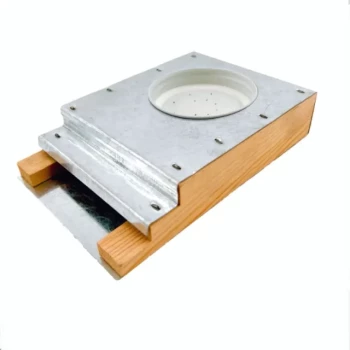
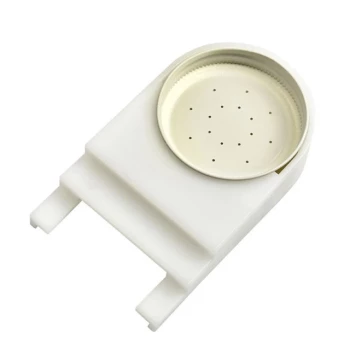
Specialized feeders act as a critical life-support system for honeybee colonies when natural resources fail. These devices are necessary because they provide a scientifically controlled environment to deliver supplemental nutrition, specifically designed to prevent bees from drowning in syrup and to deter "robbing" by stronger, external colonies. Without these feeders, beekeepers cannot safely or efficiently bridge the nutritional gap during winter or nectar dearths, jeopardizing the colony's survival.
Core Takeaway Specialized feeders are not merely containers; they are risk-mitigation tools that ensure colonies build sufficient energy reserves without the hazards of open feeding. They allow for the rapid, safe uptake of nutrition to prevent starvation and ensure the colony retains "population momentum" for the following spring.
The Mechanics of Safety and Control
Preventing Colony Drowning
Standard containers pose a significant risk to bees, which can easily become trapped in liquid feed.
Specialized feeders feature scientifically designed structures that provide safe access to syrup. These mechanisms allow bees to feed freely while preventing the massive loss of life associated with drowning in open vessels.
Deterring Robbing Behavior
During periods of scarcity, strong colonies often attempt to steal resources from weaker ones, a behavior known as robbing.
Specialized feeders are constructed to restrict access to the specific colony being fed. By containing the scent and access points, they significantly reduce the likelihood of triggering aggressive robbing frenzies from external apiary pests or neighboring bees.
Strategic Resource Management
Eliminating Nutritional Variables
Natural nectar flow is inconsistent, leading to uneven resource distinctness across an apiary.
Using large-scale feeding equipment allows beekeepers to provide a uniform food supply. This standardization ensures that every colony, regardless of its foraging luck, enters the winter season with equal nutritional security.
Rapid Reserve Buildup
Timing is critical when preparing for winter; colonies must store food before temperatures drop too low for activity.
Specialized feeders are designed to deliver large volumes of prepared syrup efficiently. This capability allows the colony to quickly build up essential food stores to replace harvested honey or fill gaps caused by natural shortages.
Long-Term Colony Vitality
Preventing Absconding
When faced with acute food or water shortages, a colony may abandon the hive entirely (absconding).
Feeders serve as a vital preventive measure against this resource loss. By artificially supplementing nutrition and hydration during dearth seasons, beekeepers ensure the colony remains anchored and stable.
Maintaining Population Momentum
Survival is not the only goal; the colony must remain strong enough to rebound.
Proper nourishment via specialized feeders preserves the colony's energy supply during non-foraging periods. This maintenance allows the hive to resume high-intensity foraging and productivity immediately when the spring peak season arrives, rather than spending weeks recovering from malnutrition.
Understanding the Trade-offs
While specialized feeders are essential, they require precise management to be effective.
Timing vs. Feed Type
Using the wrong feeder type for the season can be detrimental. Large-scale liquid feeders are best used before the overwintering phase to build reserves. Once deep winter sets in and clusters form, opening the hive to refill liquid feeders can kill the bees via cold exposure; in these emergency scenarios, solid winter patties are the required intervention.
Sanitation and Maintenance
Feeders introduce a controlled environment, but that environment can spoil.
Sugar syrup can ferment or grow mold if left too long or if the ratio is incorrect. Beekeepers must regularly inspect and clean these devices to prevent introducing pathogens into an already stressed colony.
Making the Right Choice for Your Goal
To maintain a healthy apiary, align your feeding strategy with your specific management phase:
- If your primary focus is Pre-Winter Preparation: Prioritize large-volume feeders to rapidly build sugar stores and standardize reserves across all colonies before the cold sets in.
- If your primary focus is Winter Survival: Switch to solid emergency feeds like winter patties to provide carbohydrates and pollen without breaking the colony's thermal cluster.
- If your primary focus is Colony Security: Ensure all liquid feeders have anti-drowning features and are fully enclosed to prevent robbing during nectar dearths.
Ultimately, the specialized feeder is the bridge that carries a colony safely across the gap between the end of autumn foraging and the first bloom of spring.
Summary Table:
| Feature | Purpose | Key Benefit |
|---|---|---|
| Anti-Drowning Design | Controlled syrup access | Minimizes bee mortality during feeding |
| Internal Placement | Scent containment | Prevents robbing behavior from external colonies |
| High-Volume Capacity | Rapid reserve buildup | Ensures hives meet winter nutritional thresholds |
| Resource Uniformity | Standardized food supply | Stabilizes health across the entire commercial apiary |
| Climate Adaptation | Seasonal nutrition delivery | Prevents absconding and maintains spring momentum |
Maximize Your Apiary’s Winter Survival Rate with HONESTBEE
Transitioning colonies through seasonal shifts requires more than just sugar—it requires professional-grade precision. HONESTBEE specializes in supporting commercial apiaries and global distributors with high-performance beekeeping tools and machinery. From advanced specialized feeders that eliminate drowning risks to industrial honey-filling machines and hive-making equipment, our comprehensive wholesale portfolio is designed for scale and efficiency.
Partner with us to secure the essential consumables and hardware your business needs to maintain peak colony vitality year-round.
Contact HONESTBEE Today to Discuss Bulk Orders & Custom Solutions
References
- Anuradha Kumari, Laxmikant Laxmikant. Socio-economic profile and training needs of beekeepers in Samastipur district of Bihar. DOI: 10.15740/has/au/11.1/1-6
This article is also based on technical information from HonestBee Knowledge Base .
Related Products
- HONESTBEE Professional Entrance Bee Feeder Hive Nutrition Solution
- HONESTBEE Entrance Bee Feeder Professional Hive Nutrition Solution for Beekeeping
- Professional Hive Top Bee Feeder for Beekeeping
- HONESTBEE Professional Hive Top Bee Feeder Feeding Solution
- Professional In-Hive Bee Feeder HONESTBEE Frame for Beekeeping
People Also Ask
- What types of bee feeders are available for beginners? Start with the Simple Entrance Feeder
- What are the advantages and disadvantages of using an entrance feeder for bees? Balance Convenience and Hive Security.
- How does a bee entrance feeder work? A Simple Guide to Convenient Hive Feeding
- What is a bee entrance feeder and what are its drawbacks? Essential Guide to Hive Security and Feeding Efficiency
- How to make an entrance feeder for bees? A DIY Guide for Safe & Effective Feeding