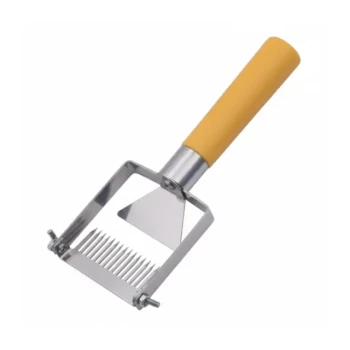
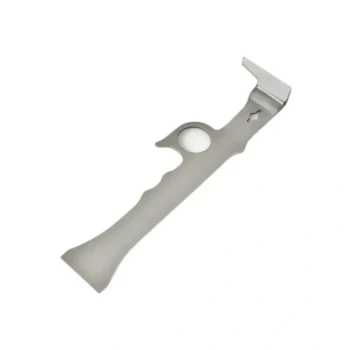
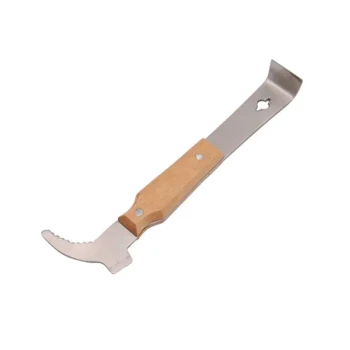
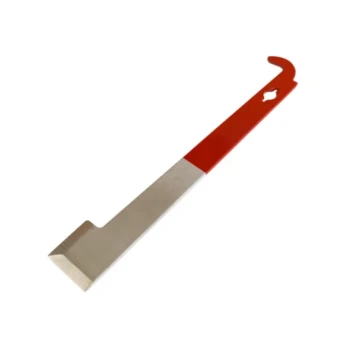
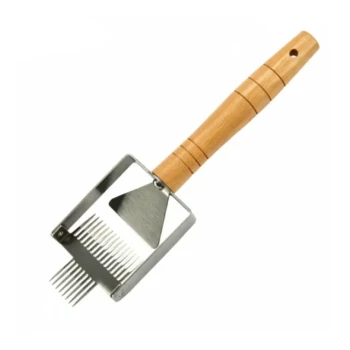
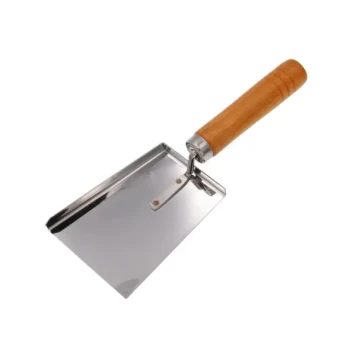
Specialized harvesting tools are required because bee bread is tightly packed deep within honeycomb cells, making it physically difficult to separate without damaging the product or the comb. These tools, along with specific machinery for cleaning, drying, and packaging, are essential for transforming raw hive material into a marketable consumer product.
The use of specialized processing equipment is not just about extraction; it is critical for preventing the destruction of sensitive bioactive components, such as antioxidants, which define the nutritional and economic value of bee bread.
The Critical Role of Processing Integrity
Overcoming Physical Extraction Challenges
Bee bread is not found on the surface of the hive; it is packed into the depths of honeycomb cells.
Manual extraction is inefficient and often destructive. Specialized tools are necessary to physically reach and separate the bread from the waxy comb structure effectively.
Preserving Bioactive Compounds
The primary reason for using advanced processing machinery is the preservation of the product's chemical profile.
Bee bread contains volatile bioactive components, including powerful antioxidants. Inefficient processing methods can degrade these compounds, stripping the product of its nutritional benefits.
Maintaining Economic Value
The market value of bee bread is directly tied to its nutritional potency.
If the harvesting process destroys the antioxidants, the product loses its competitive edge. Therefore, specialized equipment is an economic necessity to ensure the final product retains its high-value status.
Operational Safety and Efficiency
Ensuring Operator Safety
Beyond the machinery used for extraction, specialized protective gear—such as suits and smokers—is required to manage the hive environment.
These tools reduce the risk of stings and injuries. This ensures that the harvesting workflow is not interrupted by safety incidents.
Increasing Labor Efficiency
High-performance, lightweight protective gear lowers the physical barrier to entry for workers.
By making the work physically easier and safer, producers can increase overall production efficiency and encourage broader social participation in the bee bread industry.
Understanding the Trade-offs
Equipment Investment vs. Product Degradation
The primary trade-off in bee bread production is the initial cost of specialized machinery versus the risk of product spoilage.
While manual or non-specialized methods may seem cheaper initially, they pose a high risk of destroying the bioactivity of the bee bread.
Purity Considerations
Using generic tools increases the risk of contamination or incomplete separation.
Specialized separation equipment is designed to extract raw materials without compromising purity, a standard required for downstream pharmaceutical and cosmetic applications.
Making the Right Choice for Your Goal
To optimize your bee bread production, align your equipment choices with your specific operational targets:
- If your primary focus is Product Quality: Prioritize extraction, cleaning, and drying machinery specifically engineered to preserve antioxidants and bioactive integrity.
- If your primary focus is Workflow Efficiency: Invest in high-quality, lightweight protective gear to minimize worker fatigue and eliminate downtime caused by injuries.
- If your primary focus is Marketability: Ensure your processing line includes specialized separation equipment to guarantee the purity required for high-end nutritional or pharmaceutical buyers.
Specialized tools bridge the gap between a raw hive byproduct and a high-value commercial commodity.
Summary Table:
| Factor | Manual/Non-Specialized Methods | Specialized Processing Equipment |
|---|---|---|
| Extraction Efficiency | Low; high risk of comb/product damage | High; precision separation from cells |
| Nutritional Integrity | High degradation of antioxidants | Preserves sensitive bioactive compounds |
| Product Purity | High risk of wax/debris contamination | Superior cleaning and separation standards |
| Economic Value | Low; inconsistent quality | High; suitable for pharma & cosmetic use |
| Safety & Workflow | Higher risk of stings/worker fatigue | Enhanced safety with lightweight, pro-grade gear |
Elevate Your Apiary Operations with HONESTBEE
Transitioning from raw hive byproducts to high-value commercial commodities requires precision. HONESTBEE specializes in supporting commercial apiaries and distributors by providing the industry's most comprehensive range of beekeeping tools and machinery.
Whether you need specialized hive-making and honey-filling machines to streamline your processing line or high-performance harvesting gear to protect your team, our portfolio covers every essential consumable and hardware requirement.
Partner with HONESTBEE to ensure your bee bread meets the highest market standards for purity and potency. Contact us today to discuss your wholesale needs!
References
- Doyinsola O Soetan. Economic Potentials Of Bee Bread As A Non-Wood Forest Products In Some Selected Local Government Areas Of Ogun State. DOI: 10.5281/zenodo.3752500
This article is also based on technical information from HonestBee Knowledge Base .
Related Products
- Plastic Handle Single Row Artificial Fiber Bee Brush
- HONESTBEE Professional Mini J-Hook Hive Tool for Beekeeping
- HONESTBEE Classic Pry Bar Hive Tool with High Visibility Finish for Beekeeping
- Adjustable Stainless Steel Honey Uncapping Fork with Plastic Handle for Beekeeping
- HONESTBEE 15-in-1 Beekeeper Multi-Tool with Hammer and Pliers for Beekeeping
People Also Ask
- What is the specific function of a bee brush? Ensure Pure Harvests and Colony Welfare During Honey Extraction
- What is the purpose of using a bee brush during the inspection of hive components? Safe & Precise Hive Management
- What problem does a bee brush solve? Protect Your Colony with Gentle Precision Tools
- What are the key features of a popular bee brush? Essential Design for Bee Safety and Hive Hygiene
- What are the key characteristics of the bristles on a bee brush? Master Gentle and Efficient Bee Removal