Specialized marking pens serve a critical data-logging function in the complex environment of large-scale stingless bee breeding. They are used to apply colored identification dots directly to the thorax of the queen, creating a visual system that allows breeders to track individual queens across different batches, monitor their age and behavior, and verify fertilization success rates.
The Core Insight In high-volume breeding programs, genetic tracking cannot rely on memory or hive location alone. Marking pens provide a durable, non-toxic link between a specific queen and her performance data, which is the only way to ensure the accuracy of production metrics and experimental results.
The Role of Identification in Breeding Management
Tracking Lineage and Batches
In large-scale operations, breeders manage distinct cohorts of queens simultaneously. Applying a specific colored mark allows you to instantly identify which batch or generation a queen belongs to without checking written records. This is essential for maintaining age hierarchies and preventing the accidental mixing of different genetic lines.
Monitoring Reproductive Metrics
The primary indicator of a breeding program's success is the queen's fertility. Marking enables the precise recording of fertilization success rates and the start date of egg-laying. By linking a specific queen to these metrics, you can evaluate the effectiveness of your insemination methods or mating flights.
Validating Experimental Data
When conducting research or optimizing production, data integrity is paramount. Individual marking ensures that observations regarding longevity and behavior are attributed to the correct specimen. This prevents data corruption that could occur if a queen is superseded (replaced) by the colony without the breeder's knowledge.
Operational Efficiency
Rapid Queen Localization
Stingless bee colonies can be dense and visually complex. A bright, contrasting dot on the thorax allows beekeepers to quickly locate the queen amidst thousands of workers. This significantly reduces the time required for hive inspections and minimizes disturbance to the colony structure.
Year-Based Management
Standardized color-coding is often used to indicate the year of introduction. This allows for an immediate visual assessment of the queen's age during routine inspections. Breeders can instantly decide if a queen is nearing the end of her productive lifespan and requires replacement.
Understanding the Trade-offs
Non-Toxic Formulations vs. Durability
Not all markers are safe for use on insects; solvents in standard markers can be lethal. Specialized pens, such as Posca pens, utilize water-based, non-toxic paint that is safe for the queen. The trade-off is that the paint must be high-quality and "colorfast" to remain durable throughout the queen's life without fading or chipping.
Precision Application
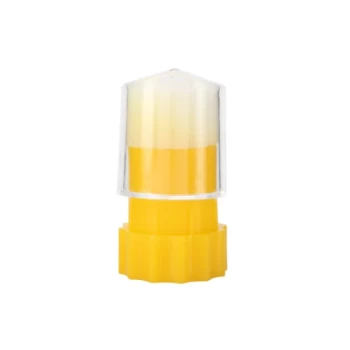
The application process requires a steady hand and specific tools, such as marking cages. The paint must be applied only to the thorax, avoiding the wings, eyes, and spiracles (breathing holes). Incorrect application can impair the queen's movement or sensory perception, potentially leading to her rejection by the colony.
Making the Right Choice for Your Goal
To maximize the value of your breeding program, align your marking strategy with your specific data needs.
- If your primary focus is Production Efficiency: Use a standardized color rotation to mark queens by year, allowing for rapid age assessment and timely replacement.
- If your primary focus is Genetic Research: Use unique color combinations or numbered tags to track granular data points like birth weight and specific insemination methods.
A well-marked queen transforms a biological variable into a reliable data point, forming the foundation of a controlled and successful breeding operation.
Summary Table:
| Feature | Benefit for Large-Scale Breeding |
|---|---|
| Color Coding | Instant identification of age, lineage, and specific batches. |
| Visual Contrast | Rapid queen localization within dense colonies to minimize inspection time. |
| Non-Toxic Ink | Ensures queen safety and health using water-based, solvent-free paint. |
| Data Integrity | Accurate tracking of fertilization success and longitudinal performance. |
| Durability | Long-lasting marks that resist fading throughout the queen's productive lifespan. |
Maximize Your Breeding Efficiency with HONESTBEE
For commercial apiaries and distributors, precision is the key to profitability. HONESTBEE specializes in professional-grade beekeeping tools and machinery designed for high-volume operations. Whether you need specialized marking pens, advanced hive-making equipment, or honey-filling machines, we provide the full spectrum of hardware and consumables your business requires.
Take your apiary to the next level—Contact HONESTBEE today to explore our wholesale solutions and bulk equipment offerings!
References
- Francisco Garcia Bulle Bueno, Rosalyn Gloag. Virgin queen behaviour and controlled mating in the stingless bee Tetragonula carbonaria (Meliponini). DOI: 10.1007/s00040-022-00887-z
This article is also based on technical information from HonestBee Knowledge Base .
Related Products
- Queen Bee Marking Pen POSCA Queen Marking Pens for Beekeeping Bee Markers
- Queen Bee Marking Pen UNI Medium Point for Queen and Bee Marking
- One Hand Yellow Queen Marking Catcher Tube Cage Beekeeper Tool Accessory for Queen Bee
- Plastic Long Marker Device for Catching and Marking Bees Queen Bee Marking Tube and Cage
- Queen Bee Catcher Plastic Bee Marker Bottle with Piston Marking Tube
People Also Ask
- What role do specialized marking pens and color-coding systems play in honeybee tracking? Enhance Research Precision
- How should a new paint pen be primed before marking a queen bee? Essential Tips for Safe & Clear Markings
- How should a queen bee marking pen tip be properly primed? Master the Art of Safe Queen Marking
- What specifications are required for a high-quality queen bee marking pen? Ensure Safety and Precision for Your Colony
- What is the purpose of using a queen marking pen? Enhance Hive Management and Age Tracking