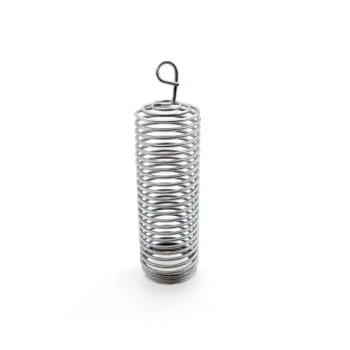
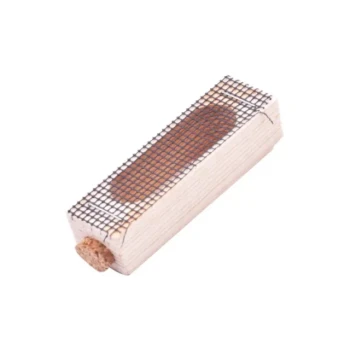
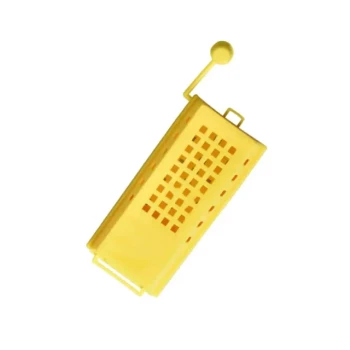
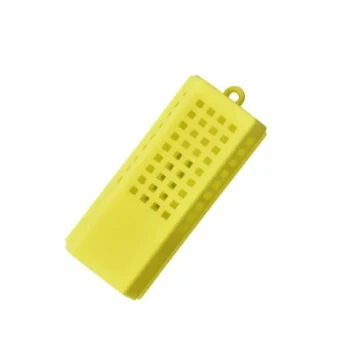
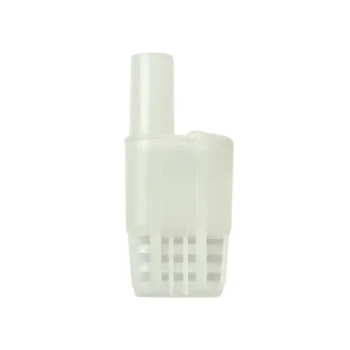
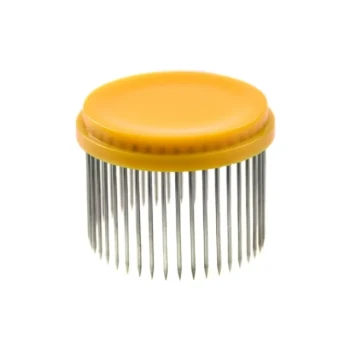
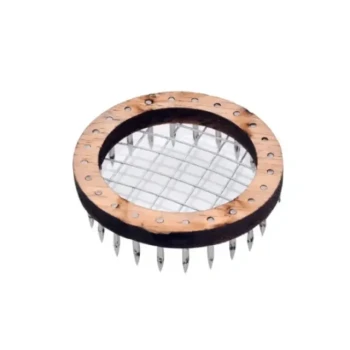
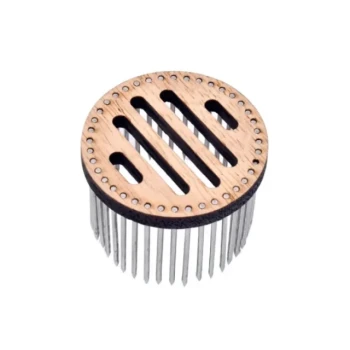
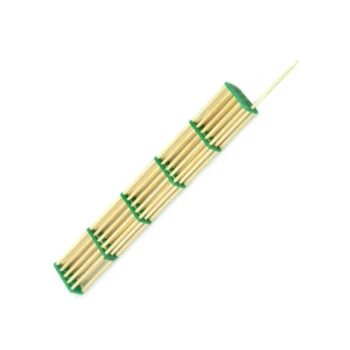
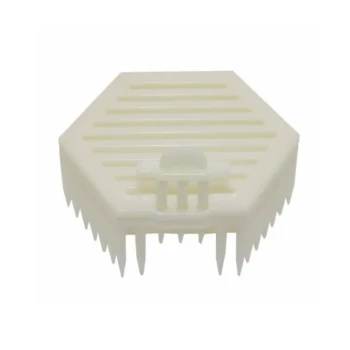
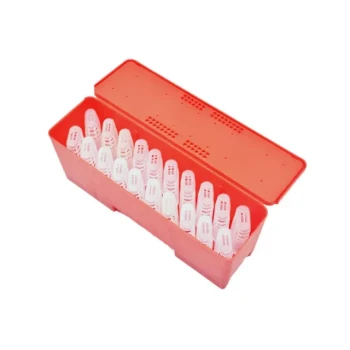
Specialized queen cages act as a critical safety buffer during the delicate process of hive leadership transition. They provide a physical barrier that protects the new queen from immediate aggression while allowing her pheromones to gradually permeate the colony. This isolation gives the worker bees time to accept her unique scent, preventing lethal rejection and ensuring the hive's long-term stability.
By isolating the new queen, these cages convert a potential hostile invasion into a controlled integration. They serve the dual purpose of shielding the queen from physical attacks—known as "balling"—while facilitating the necessary olfactory exchange required for the colony to recognize and accept her authority.
The Biological Necessity of Isolation
To understand why a cage is non-negotiable, one must understand how a colony identifies intruders. The cage manages the biological friction between the established colony and the new genetic leader.
Overcoming Olfactory Rejection
Honey bees rely almost exclusively on scent to identify nestmates. To a colony, a newly introduced queen initially smells like a foreign invader rather than a leader.
Without a cage, the resident workers would immediately detect this foreign odor. Their instinctual response is to defend the hive, leading to an immediate attack on the new queen.
Preventing "Balling"
The specific attack mechanism bees use against a rejected queen is called "balling." Dozens of worker bees surround the queen in a tight cluster, attempting to overheat or sting her to death.
The specialized cage serves as an impenetrable physical shield against this behavior. While workers may still cluster aggressively around the cage, the mesh prevents them from making lethal contact.
Mechanisms of Integration
The cage is not merely a prison; it is an acclimatization chamber. It allows specific biological interactions to occur safely.
Controlled Pheromone Diffusion
The primary function of the cage is to act as a medium for odor exchange. The mesh or openings in the cage allow the new queen's pheromones to drift slowly into the hive.
Over a period of hours or days, this constant exposure desensitizes the workers to the new scent. The colony's collective social order gradually shifts to recognize the new pheromone signature as the dominant one.
Establishing Social Recognition
Even through the mesh, limited interaction is possible. Workers can investigate the queen and, in many designs, feed her through the screen.
This process establishes initial social recognition. It allows the bees to transition from aggression to acceptance without jeopardizing the queen's safety.
The Role of Automated Release
Many professional cages integrate a timing mechanism to automate the release of the queen once acceptance is likely.
The Candy Plug Timer
Cages often feature a tube filled with a dense sugar candy (fondant). This serves as a slow-release mechanism.
Worker bees must eat through this candy plug to access the queen, a process that typically takes 1 to 2 days. This forced delay ensures that the queen is not released until her pheromones have sufficiently permeated the colony.
Understanding the Trade-offs
While queen cages are essential for safety, they introduce specific variables that beekeepers must manage.
The Productivity Pause
The primary trade-off of using a cage is a temporary halt in egg-laying. Because the queen is confined, she cannot contribute to the colony's brood production during the introduction phase.
However, this short-term loss in productivity is a necessary cost. Rushing the process risks the death of the queen, which would result in a much longer and more catastrophic gap in the colony's lifecycle.
Risk of Introduction Failure
Using a cage significantly increases success rates, but it does not guarantee them. If the colony was not properly dequeened (meaning a virgin queen or queen cells are present), the workers will remain aggressive toward the caged queen.
Furthermore, if the candy plug is consumed too quickly (in less than 24 hours), the queen may be released before the colony has fully accepted her scent, leading to rejection.
Making the Right Choice for Your Goal
When selecting or utilizing a queen cage, your approach should depend on the specific status of your colony and the value of the queen.
- If your primary focus is maximum safety for a high-value queen: Utilize a cage with a larger candy plug or a manual release mechanism to ensure the acclimatization period lasts at least 2 full days.
- If your primary focus is rapid integration: Ensure the cage mesh is large enough to facilitate aggressive feeding and pheromone transfer, but monitor the candy consumption closely to prevent premature release.
- If your primary focus is transport: Select a cage design that accommodates attendant bees to groom and feed the queen during transit, ensuring she arrives in peak condition.
The queen cage is the essential bridge between a hostile colony and a cohesive, productive hive, transforming a moment of vulnerability into a successful leadership transition.
Summary Table:
| Feature | Purpose | Benefit |
|---|---|---|
| Physical Mesh Barrier | Prevents "balling" and physical attacks | Ensures queen safety from aggressive workers |
| Pheromone Diffusion | Allows scent to permeate the colony | Facilitates social acceptance and recognition |
| Candy Plug Timer | Slow-release sugar barrier | Automates release after a 1-2 day acclimatization |
| Social Interaction | Enables feeding through the screen | Establishes early social bonds without risk |
Partner with HONESTBEE for Professional-Grade Apiary Solutions
Successful hive management starts with the right equipment. At HONESTBEE, we specialize in supporting commercial apiaries and distributors with a full spectrum of high-quality beekeeping tools and machinery.
Whether you need precision queen cages to ensure safe colony transitions, hive-making machines to scale your operations, or honey-filling equipment to streamline production, our comprehensive wholesale portfolio is designed to maximize your efficiency and success.
Enhance your commercial beekeeping performance—contact us today to discuss our wholesale offerings!
References
- B. H. Al-Badri. ECONOMIES OF BEEKEEPING IN IRAQ. DOI: 10.36103/ijas.v48ispecial.253
This article is also based on technical information from HonestBee Knowledge Base .
Related Products
- Durable Galvanized Steel Spring Queen Bee Cage
- Classic Wooden and Mesh California Queen Cage
- Professional Queen Bee Introduction and Transport Cage
- Professional Queen Cage with Sliding Gate and Feeder Plug
- Professional Multi-Compartment Queen Cage with Sliding Lid
People Also Ask
- Why are specialized queen bee cages used for the banking of mated queen bees? Maximize Commercial Apiary Storage Efficiency
- What is the mechanism of action for using temporary queen bee cages? Master Successful Queen Introduction
- What is the step-by-step process for installing a queen bee's cage onto a frame? Ensure Hive Acceptance Safely
- What is the optimal placement for a queen bee cage? Essential Strategies for Successful Re-queening
- What are the advantages and disadvantages of introducing a queen bee by embedding the cage? Boost Your Queen Acceptance