Visual precision is the cornerstone of accurate breed identification. Standardized observation tools and high-color-rendering lighting are essential to differentiate the minute physical structures of honey cappings. By clearly illuminating the air layer state between the honey and the wax, these tools allow technicians to distinguish between "dry" and "intermediate" capping characteristics, which are specific markers for breeds such as the Carpathian bee.
Accurate breed identification relies on visualizing the microscopic air gap between honey and wax. Specialized lighting eliminates visual ambiguity, allowing for rapid, reliable assessments of colony typicality in both field and laboratory settings.
The Mechanics of Visual Assessment
Visualizing the Air Layer
The primary purpose of specialized equipment is to reveal the internal structure of the honeycomb capping. Specifically, technicians must observe the air layer that exists between the stored honey and the wax cover.
Standard lighting often obscures this layer, making accurate classification impossible. High-color-rendering equipment cuts through surface glare to reveal the true depth and composition of the capping.
Distinguishing Breed-Specific Traits
Different bee breeds produce distinct capping styles. For example, Carpathian bees are characterized by specific dry or intermediate capping traits.
These traits are defined by the presence or absence of the air gap. Without the correct optical tools, a "dry" capping (with an air gap) might be indistinguishable from an "intermediate" one, leading to misidentification of the breed.
Operational Advantages
Consistency Across Environments
Breed evaluation often takes place in varied settings, ranging from the apiary field to the controlled laboratory.
Standardized observation tools ensure that external conditions do not skew the results. By using consistent equipment, technicians can generate comparable data regardless of the ambient lighting environment.
Speed and Efficiency
Using the naked eye or improper lighting forces technicians to guess or take excessive time verifying traits.
Specialized tools enable rapid preliminary assessments. This allows for quick decision-making regarding a colony's breed typicality without the need for immediate, invasive, or expensive genetic testing.
Understanding the Limitations
The Nature of Preliminary Assessment
It is important to recognize that this visual method provides a preliminary assessment.
While highly effective for screening breed typicality, visual observation of capping traits identifies morphological characteristics (physical appearance). It should be viewed as a strong initial filter rather than a replacement for comprehensive genetic analysis if absolute certainty is required.
Equipment Dependency
The accuracy of this method is entirely dependent on the quality of the light source.
Using standard flashlights or low-CRI (Color Rendering Index) lighting will not provide the necessary contrast to see the air layer. Reliance on sub-standard equipment will lead to "false negatives" where breed-specific traits are missed entirely.
Ensuring Accurate Breed Identification
To effectively evaluate honey capping characteristics, select your approach based on your specific operational needs:
- If your primary focus is field efficiency: Utilize portable, high-color-rendering lighting to conduct rapid screening of colonies without removing frames to a lab.
- If your primary focus is data consistency: Implement a standardized protocol where the same observation tools are used for every inspection to ensure all "dry" vs. "intermediate" classifications are comparable.
By investing in the right optical tools, you transform subjective observation into an objective, repeatable science.
Summary Table:
| Evaluation Factor | Standard Lighting | Specialized High-CRI Lighting | Benefit of Standardization |
|---|---|---|---|
| Air Layer Visibility | Obscured by surface glare | Clear, high-contrast visualization | Reliable "dry" vs. "intermediate" detection |
| Breed Identification | Prone to misclassification | Accurate morphological markers | Precise Carpathian bee & breed typicality |
| Assessment Speed | Slow, subjective guessing | Rapid preliminary screening | Improved operational efficiency in the field |
| Data Consistency | Skewed by ambient conditions | Uniform results across locations | Comparable data for commercial apiaries |
Maximize Your Breeding Precision with HONESTBEE
Accurate breed identification is the foundation of a successful commercial apiary. HONESTBEE empowers commercial beekeepers and distributors worldwide with the specialized tools needed for objective, repeatable assessments. From high-precision observation equipment to a full spectrum of hive-making machinery and honey-processing technology, we provide the hardware you need to maintain breed purity and honey quality.
Ready to upgrade your apiary’s technical capabilities? Contact HONESTBEE today to explore our wholesale equipment solutions and industry-leading consumables designed for large-scale success.
References
- Stepan Kerek, Viktor Papp. PREPARATORY STAGES OF ESTABLISHING A TRUE-BRED EXPANSE OF CARPATHIAN BEES WITHIN THE TERRITORY OF KHUST DISTRICT IN THE TRANSCARPATHIAN REGION. DOI: 10.46913/beekeepingjournal.2022.8.05
This article is also based on technical information from HonestBee Knowledge Base .
Related Products
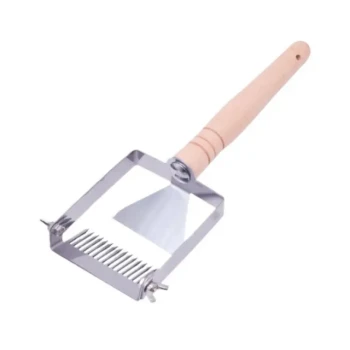
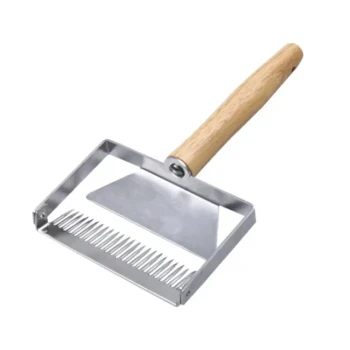
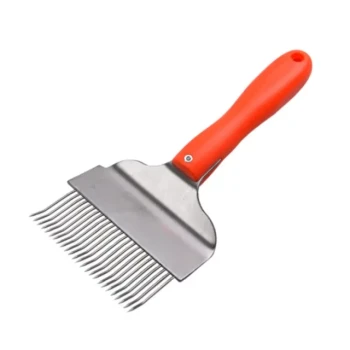
- Adjustable Stainless Steel Honey Uncapping Fork with Scraper for Beekeeping
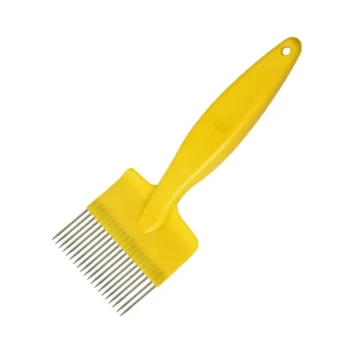
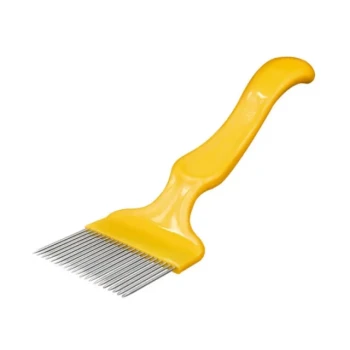
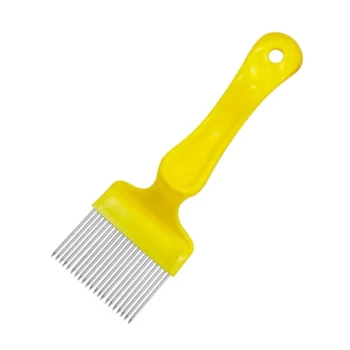
- Professional Durable Plastic Handle Honey Uncapping Fork
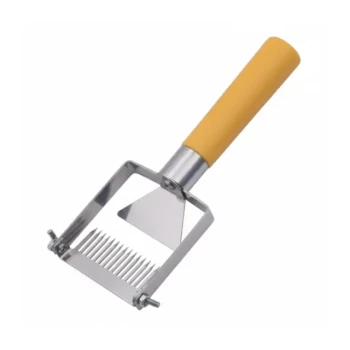
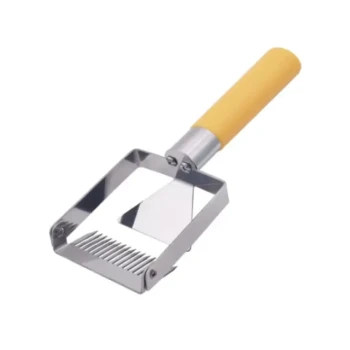
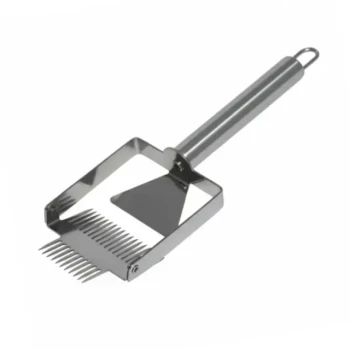
- All-Stainless Steel Pivoting Honey Uncapping Fork for Beekeeping
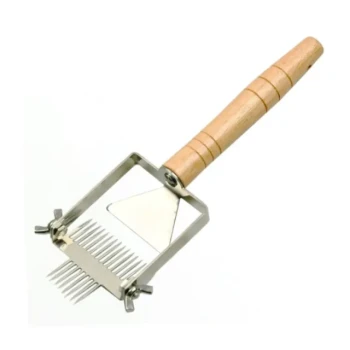
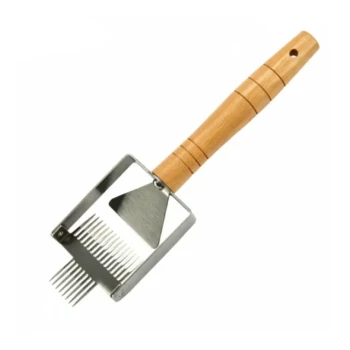
- Adjustable Stainless Steel Honey Uncapping Fork with Plastic Handle for Beekeeping
- Adjustable Stainless Steel Honey Uncapping Fork with Scraper Beekeeping Tool
People Also Ask
- How does a honey uncapping fork supplement the use of an uncapping knife? Boost Your Honey Yield and Extraction Efficiency
- What is the design purpose of honey uncapping forks and honey uncapping tanks? Maximize Your Harvest Efficiency
- What are the essential tools for uncapping honey frames? Choose the Right Tool for Your Apiary
- What are the tools used for uncapping honeycombs? Expert Guide to Tools & Functions for Maximum Yield
- What tools are used for honey uncapping? Choose the Right Knife for Your Harvest