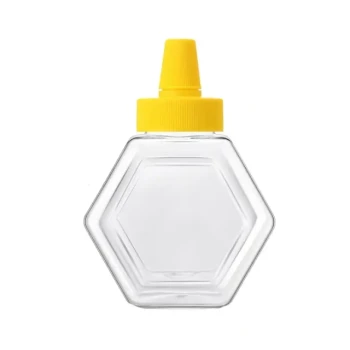
Sterilized polyethylene bottles are the preferred standard for honey preservation because they provide a chemically inert environment that maintains the sample's original composition. By preventing reactions with honey’s natural acids and phenols, and eliminating external bacteria through sterilization, these containers ensure that subsequent laboratory analysis reflects the true state of the honey rather than artifacts of storage.
Honey is a complex, dynamic matrix that is highly sensitive to its environment. The primary value of using sterilized polyethylene is isolation: it decouples the sample from external biological threats and internal chemical reactions with the container, ensuring data integrity.
Preserving Chemical Integrity for Analysis
To understand why polyethylene is chosen, one must look beyond simple storage and consider the delicate chemical nature of honey.
preventing Chemical Interaction
Honey contains various phenolic compounds and weak acids that give it its unique properties. Standard packaging materials can often react with these components over time, altering the chemical profile of the sample.
Polyethylene possesses excellent chemical inertness. This specific property prevents the plastic from leaching into the honey or reacting with its active ingredients. This ensures that the chemical "fingerprint" of the honey remains intact from collection to the laboratory bench.
Ensuring Biological Stability
The accuracy of antibacterial activity analysis relies on starting with a baseline of zero external contamination.
Sterilization is not optional; it is a functional requirement. Using sterilization-grade containers eliminates exogenous microorganisms that could skew biological data. This prevents interference during index detection, ensuring that any microbial activity observed during testing is intrinsic to the honey, not introduced by the bottle.
Controlling Moisture and Fermentation
Honey is hygroscopic, meaning it naturally attracts and holds water from the surrounding environment. If the moisture content rises, osmophilic yeasts can thrive, leading to fermentation and spoilage.
Polyethylene bottles offer moisture-proof sealing properties. By blocking the migration of external moisture and preventing leaks, these bottles inhibit the growth of spoilage organisms. This allows for stable storage periods (often cited between 18 to 22 months) without the risk of fermentation degrading the sample.
Understanding the Trade-offs
While sterilized polyethylene is highly effective for general sampling and chemical stability, an expert advisor must consider the context of the specific analysis being performed.
Polyethylene vs. Glass
While polyethylene is preferred for its durability and inertness regarding acids, glass is sometimes cited as the superior barrier for volatile components.
Glass offers airtight sealing that can be more effective at preventing the loss of aromatic volatiles compared to plastics. However, polyethylene is often favored in field sampling and general storage because it provides the necessary chemical stability without the fragility and weight associated with glass.
Making the Right Choice for Your Goal
Selecting the correct vessel is about matching the container properties to your specific analytical objectives.
- If your primary focus is Chemical Profiling: Rely on sterilized polyethylene to prevent reactions with phenolic and acidic components, ensuring the chemical baseline remains unaltered.
- If your primary focus is Microbiology: Prioritize the "sterilized" aspect of the container to eliminate exogenous bacteria that could corrupt antibacterial activity assays.
- If your primary focus is Long-Term Storage: Ensure the polyethylene container features a high-quality seal to prevent moisture ingress and subsequent fermentation by osmophilic yeasts.
Ultimately, the reliability of your data is defined by the quality of your storage; use sterilized polyethylene to freeze the biological and chemical state of your sample in time.
Summary Table:
| Feature | Polyethylene Benefit | Impact on Honey Analysis |
|---|---|---|
| Chemical Inertness | Prevents leaching and reactions with phenolic acids | Maintains the sample's original chemical fingerprint |
| Sterilization | Eliminates exogenous microorganisms | Ensures accurate biological and antibacterial assays |
| Moisture Barrier | High-quality sealing to prevent moisture ingress | Inhibits fermentation and growth of osmophilic yeasts |
| Durability | Shatter-resistant and lightweight | Ideal for field sampling and long-term storage safety |
Elevate Your Honey Quality Control with HONESTBEE
At HONESTBEE, we understand that precision in beekeeping starts in the field and ends in the lab. As a leading provider for commercial apiaries and distributors, we supply not only high-quality beekeeping machinery and tools but also the essential consumables required for professional-grade honey production and testing.
From honey-filling machines to specialized storage solutions, our comprehensive wholesale offering is designed to help you maintain the highest standards of product integrity. Whether you are scaling your extraction line or sourcing laboratory-grade supplies, our team is ready to support your growth.
Ready to optimize your apiary’s efficiency and sample reliability?
Contact Us Today to Explore Wholesale Solutions
References
- Jelena Živković, Ana Spasić. TOTAL PHENOLIC AND FLAVONOID CONTENTS, ANTIOXIDANT AND ANTIBACTERIAL ACTIVITIES OF SELECTED HONEYS AGAINST HUMAN PATHOGENIC BACTERIA. DOI: 10.32383/appdr/105461
This article is also based on technical information from HonestBee Knowledge Base .
Related Products
People Also Ask
- What are the benefits of squeeze bottles for honey packaging? Unlock Mess-Free Convenience & Control
- How do honey bottles contribute to the preservation of honey products? Secure Quality and Commercial Value
- What are the features of honey bottles? Design for Convenience & Long-Term Preservation
- How should honey bottles be prepared before pouring honey into them? The #1 Rule for Honey Longevity
- What are the features and benefits of using honey bottles for packaging? Optimize Preservation and Consumer Experience