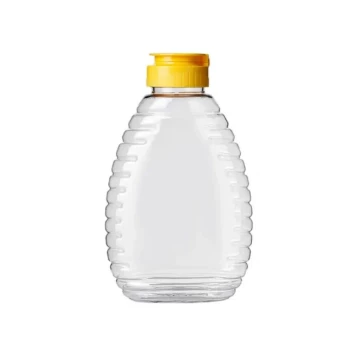
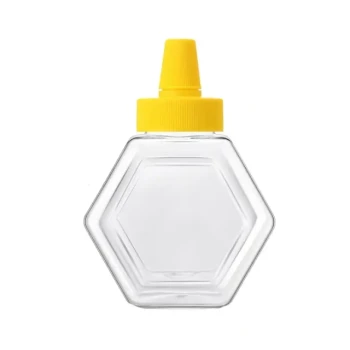
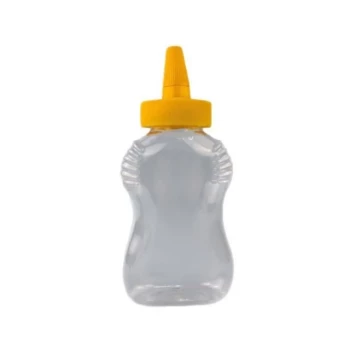
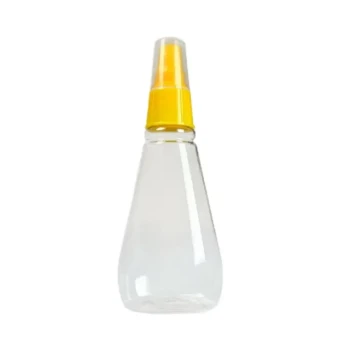
Specialized small-capacity filling bottles serve primarily as a critical preservation barrier designed to stabilize the volatile physicochemical properties of stingless bee honey. Unlike standard honey containers, these vessels are engineered to prevent secondary fermentation caused by high moisture content while acting as a standardized unit for high-value market distribution.
The Core Insight Stingless bee honey differs fundamentally from distinct honey due to its high acidity and water content, making it highly susceptible to rapid spoilage. Specialized packaging is not merely a branding choice; it is a technical necessity to isolate the honey from environmental moisture, preserve its medicinal bio-activity, and enable its sale as a premium therapeutic or cosmetic product.
Preserving Chemical and Biological Integrity
The Barrier Against Fermentation
Stingless bee honey is naturally hygroscopic, meaning it readily absorbs moisture from the air. Because this honey already possesses a high water content, any additional moisture absorption triggers rapid secondary fermentation and spoilage. Specialized hermetic bottles provide a seal that isolates the product from external air and humidity.
Maintaining Bioactive Potency
This honey is valued for its unique medicinal and nutritional properties, including high acidity and specific enzyme activity. High-quality, chemically stable packaging materials prevent interactions that could degrade these bioactive components. This ensures the honey retains the specific health benefits that drive its high market value.
Ensuring Hygienic Standards
Due to the susceptibility of stingless bee honey to microbial activity, standard cleaning protocols are often insufficient. Specialized sterile bottles, treated through physical sterilization, effectively block contamination sources. This extends shelf life without relying on chemical preservatives, which would compromise the product's natural status.
Strategic Commercial Functions
Aligning with Production Volume
Stingless bees produce honey in significantly lower yields compared to European honeybees, resulting in a high unit price. Small-capacity flasks (such as eye-droppers or small jars) align the packaging volume with the scarcity of the product. This allows producers to sell the honey at accessible price points while maintaining healthy profit margins.
Enabling Market Segmentation
Specialized filling bottles allow producers to transition from low-margin bulk sales to high-yield retail commodities. By using specific formats—such as dropper bottles for pharmaceutical applications or cosmetic jars for beauty use—producers can target niche industries. This creates a clear distinction between food-grade sweeteners and high-value therapeutic goods.
Standardization and Branding
Using standardized bottle specifications improves the efficiency of market distribution and logistics. Uniform packaging facilitates easier stacking, shipping, and display. Furthermore, high-quality, distinct packaging enhances brand recognition, signaling to the consumer that the product is a premium, specialized item rather than a generic sweetener.
Understanding the Trade-offs
Packaging is Not a Standalone Solution
While specialized bottles provide a necessary physical barrier, they cannot indefinitely preserve stingless bee honey at room temperature. These containers are most effective when integrated into a cold chain system. For long-term stability, the sealed bottles must often be stored at low temperatures (18°C) or frozen (-20°C) to fully inhibit enzymatic activity.
The Cost of Specialization
Transitioning to specialized small-capacity filling involves higher per-unit packaging costs compared to bulk buckets. It requires investment in professional filling machinery capable of handling small volumes accurately. Producers must weigh these increased operational costs against the potential for higher retail revenue in niche markets.
Making the Right Choice for Your Goal
When selecting packaging for stingless bee honey, your choice should be dictated by your end-market strategy:
- If your primary focus is Pharmaceutical/Therapeutic Sales: Select sterile, small-volume dropper bottles or flasks that emphasize precise dosing and medicinal purity.
- If your primary focus is Shelf-Life Extension: Prioritize hermetically sealed, chemically stable plastics that are rated for freezing temperatures to prevent fermentation during storage.
- If your primary focus is Brand Differentiation: Choose unique, high-quality cosmetic-style containers that visually distinguish your product from standard table honey.
Ultimately, the bottle is not just a container; it is the primary defense system for the unique biological activity of your product.
Summary Table:
| Function | Benefit to Producer | Technical Purpose |
|---|---|---|
| Fermentation Barrier | Extends shelf life and reduces spoilage | Isolates high-moisture honey from humidity |
| Bioactive Preservation | Maintains medicinal/therapeutic potency | Chemically stable materials prevent degradation |
| Small-Volume Scaling | Higher profit margins on low-yield honey | Aligns packaging with product scarcity |
| Market Segmentation | Access to pharma and cosmetic niches | Specialized formats like droppers or jars |
| Sterile Packaging | Ensures hygienic safety standards | Prevents microbial contamination without chemicals |
Elevate Your Stingless Bee Honey Production with HONESTBEE
Stingless bee honey is a high-value liquid gold that requires more than just a standard jar. As a leading supplier to commercial apiaries and distributors, HONESTBEE provides the technical infrastructure needed to protect your product's integrity.
We offer a comprehensive wholesale range of:
- Specialized Small-Capacity Bottles & Droppers designed for medicinal and cosmetic applications.
- Precision Honey-Filling Machines capable of handling small volumes with high accuracy.
- Commercial-Grade Beekeeping Tools and specialized hardware for professional operations.
Don't let fermentation or poor packaging devalue your harvest. Let HONESTBEE provide the professional equipment and consumables you need to scale your business and reach premium markets.
Contact HONESTBEE Today to Optimize Your Packaging Strategy
References
- Simel Sowmen, Riesi Sriagtula. PKM Introduksi Vegetasi Tanaman Pakan Lebah dan Potensi Budidaya Lebah Tanpa Sengat (Galo-Galo) di Jorong Rimbo Janduang, Nagari Lingkuang Aua, Kecamatan Pasaman, Kabupaten Pasaman Barat. DOI: 10.25077/jwa.29.3.239-244.2022
This article is also based on technical information from HonestBee Knowledge Base .
Related Products
- Economy Small Honey Filling Machine Honey Bottle Filler Packaging Machine
- Semi Automatic Small Honey Bottle Filling Machine Honey Filler
- Automatic Honey Filling and Filtering Machine for Beekeeping Bottle Filling
- Double Nozzle Small Honey Filling Machine Honey Sachet Packing Packaging Equipment
- Small Honey Filling Machine Sachet Packing Equipment Single Nozzle
People Also Ask
- Why is the hygiene and precision of honey filling machinery critical? Maximize Your Honey's Retail Value
- Why are professional honey filling machinery and specialized storage consumables vital? Ensure Quality & Scalability
- Why is high-precision honey filling machinery required for stingless bee honey? Ensure Stability and Market Value
- Why is professional honey filling machinery critical for honey production? Scale Your Apiary's Profit & Efficiency
- Why is high-capacity honey filling machinery necessary for Giant Honey Bees? Solve the Apis dorsata Volume Crisis