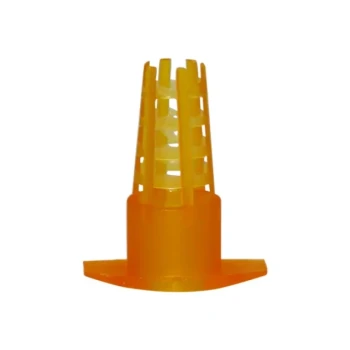
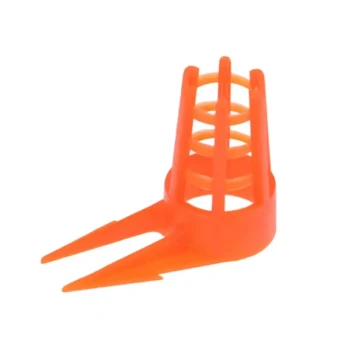
The specific dimensions of 6mm in diameter and 10mm in height are critical because they effectively mimic the internal geometry of a natural queen cell. These precise physical constraints trigger the instinctive behavior of worker bees, guiding them to provision the cell with the exact amount of royal jelly required for optimal larval development.
By replicating the spatial environment of a natural cell, artificial cups compel worker bees to secrete the optimal volume of royal jelly, ensuring superior nutrition for developing larvae and higher yields for the beekeeper.
The Science of Biomimicry in Beekeeping
Simulating Natural Architecture
Artificial queen cell cups are not merely containers; they are biological signals. The dimensions of 6mm in diameter and 10mm in height are engineered to simulate the internal space of a naturally constructed queen cell.
When worker bees encounter these dimensions, they recognize the structure as a viable environment for raising a queen.
Triggering Royal Jelly Secretion
The physical geometry of the cup directly influences the behavior of nurse bees.
Precise measurements guide the workers to secrete an adequate amount of royal jelly. If the dimensions deviate significantly, the bees may fail to recognize the cell's purpose or provision it incorrectly.
Impact on Larval Development
Ensuring Nutritional Space
The volume defined by these dimensions creates the necessary nutritional space for the larva.
This ensures the developing organism is surrounded by enough food to float and feed without restriction. Without this specific spatial allowance, the larva may physically outgrow its food source or fail to develop fully.
Improving Queen Quality
The direct result of proper spacing and feeding is a higher quality of reared queen bees.
Because the larvae have access to sufficient resources throughout their development, the resulting queens are typically larger, stronger, and more reproductively capable.
Understanding the Trade-offs
The Risk of Deviation
While standardized dimensions improve consistency, relying on them requires precision.
If cups are manufactured with incorrect dimensions (too shallow or too narrow), they fail to provide the sufficient nutritional space mentioned in the primary reference. This leads to undernourished larvae and "scrub" queens with poor longevity.
Volume vs. Acceptance
Creating a cup that is too large in an attempt to hold more jelly can backfire.
The dimensions must remain within the range of what bees recognize as natural. Exceeding these biological limits can confuse worker bees, leading to lower acceptance rates of the grafted larvae.
Making the Right Choice for Your Goal
To maximize your apiary's success, you must ensure your equipment aligns with biological requirements.
- If your primary focus is Queen Rearing: Adhere strictly to these dimensions to ensure maximum nutritional intake, resulting in robust and fertile queens.
- If your primary focus is Royal Jelly Production: Use these precise dimensions to maximize the volume of jelly secreted per cup, directly increasing your overall harvest yield.
Precision in physical dimensions is the foundation of high-quality biological output.
Summary Table:
| Dimension | Specification | Biological Function |
|---|---|---|
| Diameter | 6mm | Mimics natural cell width to trigger nurse bee recognition. |
| Height | 10mm | Provides the depth needed for adequate royal jelly volume. |
| Material | Food-grade Polymer | Ensures safety and high acceptance rates during grafting. |
| Primary Goal | Biomimicry | Simulates natural architecture for superior queen quality. |
Scale Your Apiary Success with HONESTBEE Precision
At HONESTBEE, we understand that in professional beekeeping, a few millimeters make the difference between a failing colony and a thriving commercial operation. We cater to commercial apiaries and global distributors with a comprehensive wholesale offering designed for high-yield biological output.
How we add value to your business:
- Precision Engineering: Our queen-rearing tools, including cell cups and grafting equipment, are manufactured to strict biological standards to ensure maximum royal jelly production and queen fertility.
- Complete Equipment Solutions: From hive-making machinery and honey-filling lines to essential consumables, we provide the full spectrum of hardware needed to automate and grow your apiary.
- Wholesale Expertise: We support distributors with bulk supply chains for everything from specialized beekeeping machinery to honey-themed cultural merchandise.
Ready to enhance your yield with industry-leading tools? Contact HONESTBEE today to discuss your wholesale needs and let us help you build a more productive apiary.
References
- Joice J.I. Rompas, R. T.D. Maramis. PENGGUNAAN METODE QUEEN REARING TERHADAP PEMBENTUKAN SEL RATU APIS MELLIFERA UNTUK PENGEMBANGAN PERLEBAHAN. DOI: 10.35792/zot.35.2.2015.8347
This article is also based on technical information from HonestBee Knowledge Base .
Related Products
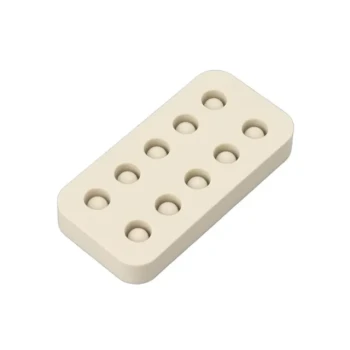
- 10-Cell Silicone Beeswax Bee Queen Cups Forming Mold
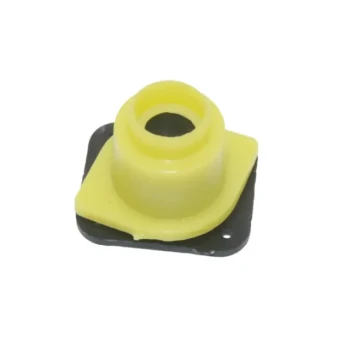
- JZBZ Type Wide Base Plastic Queen Cell Cups for Base Mounting and Queen Rearing
- JZBZ Push-In Queen Cell Cups for Beekeeping
- Brown Nicot Queen Cell Cups for Breeding Queen Bees Beekeeping
- Clear Black Plain Polystyrene Queen Bee Grafting Cell Cups No Lug for Bee Queen Cup
People Also Ask
- How do beeswax queen cell cups function? Optimize Queen Rearing with Biological Mimicry
- What is the biological function of beeswax queen cell cups? Boost Acceptance in Artificial Queen Rearing
- What role do specialized queen rearing tools play in developing mite-resistant honeybee stock? Master Genetic Selection
- What materials are used to make artificial queen cell cups for grafting? Beeswax vs. Plastic Guide
- What roles do specialized queen cell cups play in royal jelly production? Optimize Your Hive's Secretion and Yield