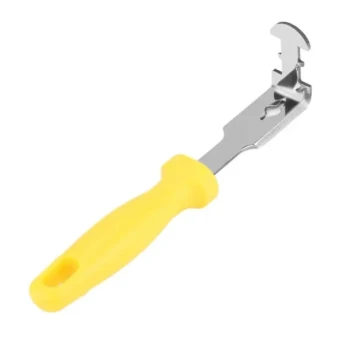
Varroa mite control products and medication delivery devices are the frontline defense against Colony Collapse Disorder (CCD) in commercial pollination. In industrial monocultures, bees face extreme physiological stress from intensive labor, nutritional deficiencies, and frequent relocation, making them highly susceptible to parasitic infestations. Specialized acaricides and precision delivery systems are required to manage mite populations, block viral transmission, and ensure the survival of colonies essential for global agricultural services.
In high-pressure industrial environments, specialized Varroa control solutions are not optional; they are critical infrastructure for maintaining colony health and commercial viability. Professional-grade treatments and delivery systems ensure precise dosing and residue control, protecting both the honeybee assets and the market value of their products.
The Unique Pressures of Industrial Monocultures
Nutritional Stress and Relocation Fatigue
In environments like almond orchards, bees are exposed to limited nutritional variety, which weakens their immune systems. The frequent relocation required for commercial pollination services further increases stress levels across the colony.
This combination of factors makes bees significantly more vulnerable to parasites than those in biodiverse, stationary environments. Industrial-scale beekeeping requires a proactive pharmaceutical approach to compensate for these environmental stressors.
The Escalation of Varroa Mite Infestations
Varroa mites thrive in the high-density settings of commercial apiaries, feeding on the bodily fluids (hemolymph) of adult bees and larvae. This feeding causes direct physical damage and severely compromises the reproductive capacity of the hive.
Without intervention, mite populations grow exponentially, leading to a rapid decline in foraging capacity. This eventually culminates in Colony Collapse Disorder, resulting in total loss of the biological asset.
Why Specialized Delivery Devices Matter
Precision Dosing for Colony Safety
Modern beekeeping relies on specialized medication delivery devices to ensure that treatments are applied at the correct dosage. Over-application can harm the bees, while under-application leads to ineffective pest control and pesticide resistance.
Professional-grade devices utilize precise release mechanisms to maintain consistent treatment levels over time. This accuracy is essential for killing mites while minimizing chemical residues in honey and wax products.
Breaking the Virus Transmission Chain
Varroa mites act as primary vectors for numerous viral diseases that can devastate an apiary. By utilizing specialized equipment to regularly eliminate mites, beekeepers physically and chemically break the virus transmission chain.
Lowering the mite load is the most effective technical intervention to curb horizontal virus transmission. This protection is vital for maintaining the balance of population replacement during the intensive production season.
Commercial Implications for Large-Scale Beekeeping
Protecting Honey Productivity and Foraging
A healthy colony is a productive one; mites directly impact honey productivity by weakening the worker bee population. Controlling these parasites ensures that bees remain strong enough to perform the rigorous work of commercial pollination.
For distributors, providing a comprehensive full-spectrum portfolio of control products is essential to support these operations. Access to professional-grade consumables allows beekeepers to stabilize their yields and secure their apiary assets.
Ensuring Winter Survival
The improper execution of Varroa mite control is a primary driver of winter colony losses. Specialized treatments applied in the late season are fundamental for ensuring the colony survives the cold months to be ready for the next pollination cycle.
Using standardized chemical or biological agents allows for the predictable management of hive health. This predictability is the foundation of a successful commercial beekeeping business model.
Understanding the Trade-offs
Chemical Residue vs. Pest Efficacy
One of the primary challenges in Varroa management is balancing treatment efficacy with the risk of contaminating hive products. High-potency acaricides effectively kill mites but require precise application tools to prevent residues from exceeding regulatory limits in honey.
Resistance Management and Treatment Cycling
Repeated use of the same medication can lead to resistant mite populations, rendering treatments ineffective over time. Beekeepers must employ a strategy of rotating different active ingredients, which requires distributors to maintain a diverse and ready-to-ship inventory of various treatment types.
Making the Right Choice for Your Goal
How to Apply This to Your Business
As a distributor or wholesaler, your ability to provide the right tools at the right time is critical for your clients' success in industrial environments.
- If your primary focus is one-stop sourcing: Maintain a diverse inventory of both chemical acaricides and physical monitoring tools to address every stage of the mite life cycle.
- If your primary focus is supply chain reliability: Partner with suppliers who offer ultra-fast delivery and efficient order fulfillment to ensure treatments are available exactly when infestation thresholds are met.
- If your primary focus is technical leadership: Leverage deep industry expertise to educate your clients on the importance of precision delivery devices in minimizing residues and preventing resistance.
Providing professional-grade Varroa control solutions is the most effective way to ensure the long-term health of honeybee colonies and the stability of the commercial pollination industry.
Summary Table:
Key Factors in Industrial Varroa Management
| Challenge | Impact on Bee Health | Technical Solution |
|---|---|---|
| Monoculture Stress | Weakened immune systems & high fatigue | Proactive pharmaceutical management |
| Mite Proliferation | Fluid loss & virus transmission (CCD) | Specialized acaricides & monitoring |
| Dosing Inaccuracy | Pesticide resistance & chemical residues | Precision medication delivery devices |
| Winter Survival | High colony loss rates in cold months | Standardized late-season treatments |
| Market Viability | Reduced honey yield & pollination capacity | Full-spectrum inventory & rapid response |
Secure Your Supply Chain with HONESTBEE’s One-Stop Solutions
For distributors and B2B resellers, maintaining a reliable inventory of health-critical beekeeping tools is essential for client retention and market growth. HONESTBEE specializes in serving commercial apiaries and wholesalers with a comprehensive full-spectrum product portfolio—from high-performance honey-filling machines to essential Varroa control consumables.
Why Partner with HONESTBEE?
- One-Stop Sourcing: Access everything from hive-making machinery to specialized hardware and cultural merchandise.
- Premium Service: Benefit from our deep professional industry expertise and dedicated support team.
- Efficiency: Ultra-fast delivery and rapid response times ensure you never miss a treatment window.
- B2B Advantage: We offer competitive wholesale pricing, OEM/ODM support, and reliable supply to boost your profit margins.
Ready to elevate your beekeeping wholesale business? Contact us today to request a quote or catalog!
References
- Marina Pliushchik, Pauliina Rautio. Imagining well with almonds and honeybees in the Capitalocene – five multispecies movements for environmental and sustainability education. DOI: 10.1080/00958964.2023.2259850
This article is also based on technical information from HonestBee Knowledge Base .
Related Products
- Oxalic Acid Vaporizer 12V for Bee Varroa Mite Treatment
- Compact Circular Bee Mite Treatment Dispenser
- Durable 12V Oxalic Acid Vaporizer for Varroa Mite Treatment Beehive Beekeeping Tool
- Varroa Easy Check Mite Tester Kit Counter Alcohol Wash Jar
- Heavy Duty 12V Oxalic Acid Evaporator Vaporizer for Bee Varroa Mite Treatment Beekeeping Fumigator Atomizer
People Also Ask
- What factors determine how often to treat for varroa mites with oxalic acid? Time Your Treatment for Maximum Efficacy
- What are the technical advantages of using professional Sublimators? Maximize Mite Control with Precision Vaporizers
- What is the technical objective of applying oxalic acid via a sprayer? Maximize Varroa Resistance in Your Apiary
- How can oxalic acid treatment be applied effectively when capped brood is present? Master the 3-Stage Vapor Protocol
- What is the overall goal of using oxalic acid in late fall for beekeepers? Maximize Winter Survival with a Broodless Treatment