Honeybees exhibit remarkable docility during swarming primarily because the instinct to defend resources is temporarily suspended. Before departing the parent hive, the bees gorge themselves on honey, causing physical distension of their abdomens that mechanically restricts their ability to sting.
The swarming state effectively suppresses aggressive behavior because the colony has abandoned the assets—brood, honey stores, and the hive structure—that typically trigger defensive instincts.
The Absence of Defensive Triggers
Removal of Protective Instincts
Honeybee aggression is almost exclusively a defensive response. In a standard hive setting, bees are hardwired to protect three things: their developing brood, their winter food stores (honey), and the physical hive structure itself.
The "Homeless" State
During a swarm, the colony is in a transient state of homelessness. Because they are temporarily without a hive or resources to guard, the biological trigger to attack potential threats is essentially deactivated.
Prioritizing Energy Conservation
Swarming is a high-risk, energy-intensive migration for the colony. Evolution has prioritized conserving energy for flight and establishing a new home rather than expending it on unnecessary combat.
Physical Constraints on Aggression
The Pre-Swarm Gorge
Immediately before leaving the parent colony, workers consume a massive amount of honey. This serves as fuel for the journey and creates a starter supply of wax for the new hive.
Mechanical Restriction
This engorgement physically changes the bee's geometry. A bee filled with honey has a significantly distended abdomen.
Inability to Tilt
To sting effectively, a honeybee must curl its abdomen downward and inward. The physical bloating caused by gorging makes this curling motion difficult, if not impossible, for the bee to perform.
Understanding the Limits of Docility
Docile Does Not Mean Defenseless
While swarming bees are unlikely to initiate an attack, they still possess stingers. If a bee is trapped in clothing, squeezed, or stepped on, it will sting as a reflex action.
The Return of Aggression
It is critical to note that this docile period is temporary. Once the swarm locates a new site and begins constructing comb and rearing brood, their defensive instincts will immediately reactivate.
Engaging with Swarms Safely
While swarming bees are generally safe to observe, caution is always prudent.
- If your primary focus is observation: You can safely watch a swarm from a respectful distance without fear of being chased, as the bees have no territory to defend.
- If your primary focus is removal: Contact a professional beekeeper immediately, as the docile nature of the swarm makes this the ideal window for safe relocation.
Understanding that swarming is a vulnerable, resource-heavy migration rather than an attack allows you to view this natural phenomenon with fascination rather than fear.
Summary Table:
| Factor | Influence on Docility | Biological Reason |
|---|---|---|
| Resource Absence | High | No brood or honey stores to defend during transit. |
| Honey Gorging | Physical | Distended abdomens make the mechanics of stinging difficult. |
| Energy Focus | Survival | Energy is prioritized for flight and wax production over combat. |
| Territory | Transient | Homeless state deactivates the colony's guard instincts. |
Elevate Your Beekeeping Success with HONESTBEE
Understanding bee behavior is the first step toward professional management. Whether you are a commercial apiary looking to scale production or a distributor seeking high-quality supplies, HONESTBEE is your dedicated partner.
We provide a comprehensive wholesale range designed for industry experts:
- Advanced Machinery: From precision hive-making to automated honey-filling machines.
- Professional Tools: A full spectrum of beekeeping hardware and durable equipment.
- Essential Consumables: Every item needed to maintain healthy, productive colonies.
- Cultural Merchandise: Unique honey-themed products to diversify your retail portfolio.
Ready to enhance your operations with reliable, professional-grade equipment? Contact us today to discuss your wholesale needs and let HONESTBEE empower your business growth.
Related Products
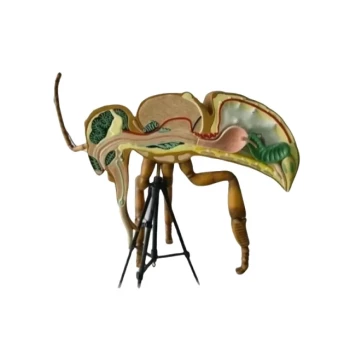
- HONESTBEE Anatomy Bee Model Detailed Anatomical Display for Education and Study
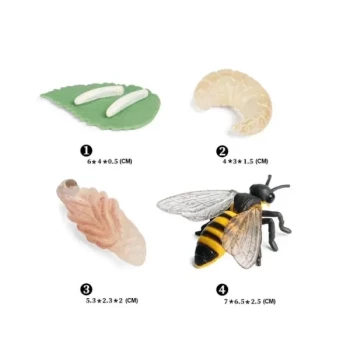
- Honey Bee Life Cycle Model 4 Stage Educational Set for Kids Learning
- Honey Bee Lifecycle Model: A Detailed Honeycomb Display of Bee Development
- HONESTBEE AC Powered Wire Embedder with Alligator Clips
- Assembled Wooden Bee Frames with Plastic Foundation for Durability and Convenience by HONESTBEE
People Also Ask
- How do honey bees utilize water to regulate the internal temperature of the hive? Master Evaporative Cooling Methods
- Is it good to have honey bees in your yard? A Guide to Boosting Your Garden's Health
- What criteria should be considered in the selection process for honey bee breeding? Top Traits for Sustainable Apiaries
- What should be considered when learning the behavior of honey bees and their queens? Master Colony Management
- Why is maintaining specific relative humidity levels critical in caged honey bee experiments? Ensure Research Validity