Honeybees sting primarily when they perceive a threat to their colony. A worker bee usually dies after stinging because its barbed stinger remains in mammalian skin, making stinging a last-resort defensive response rather than an act of aggression. Safe apiary management therefore combines sting-resistant PPE, calm hive-handling techniques, and essential tools such as a smoker and hive tool.
The safest apiary operation uses both physical protection and controlled handling. A ventilated bee suit or jacket, veil, gloves, and protected footwear reduce exposure, while cool smoke helps disrupt alarm pheromones during inspections and maintenance.
Why Honeybees Sting
Stinging Is a Defensive Response
Honeybees sting to defend the nest, hive, queen, brood, and food stores. They are not naturally aggressive toward humans, but opening or moving hive components can cause the colony to perceive a threat.
Worker bees release alarm pheromones when disturbed or when a sting occurs. These chemical signals can attract other defenders, which is why calm, deliberate handling is important.
The Bee Usually Dies After Stinging
A worker bee’s barbed stinger can lodge in human skin. When the bee pulls away, the stinger and associated venom apparatus may be torn from its body, usually resulting in the bee’s death.
This makes a sting a costly defense mechanism for the individual bee. It does not make the risk negligible for the beekeeper, because venom can cause significant pain and, in allergic individuals, a severe anaphylactic reaction.
Colony Protection Depends on Handling Technique
Fast movements, crushing bees, rough frame handling, and excessive vibration can increase defensive behavior. A beekeeper who remains calm is less likely to drop frames, damage comb, or make abrupt movements that further disturb the colony.
Protective equipment is therefore not a substitute for good technique. It provides a safety barrier that helps the operator work calmly and precisely.
Essential Protective Gear for Apiary Work
Full-Body Beekeeping Suit or Jacket
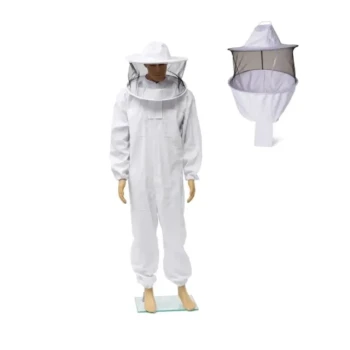
A ventilated beekeeping suit provides the broadest protection for routine inspections, maintenance, transfers, and honey harvesting. Integrated fencing or round veils help keep mesh away from the face, while sealed wrist and ankle closures reduce entry points.
A lighter beekeeping jacket may provide adequate mobility for lower-risk tasks and experienced operators. Full suits are the more appropriate choice when handling defensive colonies, performing night transfers, or working in situations where maximum coverage is required.
Veil or Integrated Hood
The head and face require dedicated protection because stings in these areas can cause panic and interrupt delicate hive work. A veil or hood should remain securely attached to the suit or jacket.
At minimum, operators need a protective hood with an integrated hat and neck covering. An integrated veil is generally more practical for commercial teams because it reduces gaps created by separate components.
Protective Gloves
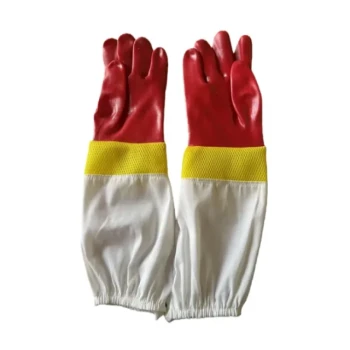
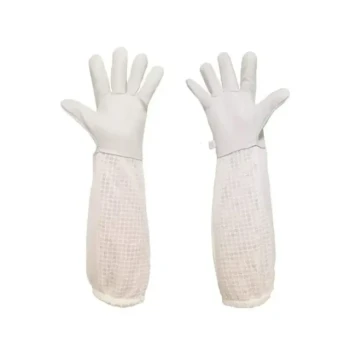
Heavy-duty leather or nitrile gloves protect the hands during frame removal, hive-body handling, and other close-contact work. Gloves should provide sufficient sting resistance without preventing the operator from gripping frames and tools securely.
Gloves can reduce tactile sensitivity, so fit and dexterity matter. A poorly fitting glove may cause more handling errors, which can increase colony disturbance.
Boots and Ankle Protection
Hive boots or ankle gaiters help prevent bees from entering through the lower legs. They should overlap or seal against the suit’s ankle closures.
Foot protection also improves stability when lifting hive bodies or working on uneven ground. This is particularly important when equipment, hive carriers, or multiple operators are involved.
Equipment That Supports Safer Hive Management
Bee Smoker
A stainless steel bee smoker with a manual bellows is a core hive-management device. It produces cool smoke that disrupts the colony’s alarm pheromone signals, helping reduce defensive behavior before and during an inspection.
The smoker should be operated carefully with suitable natural fuel, such as pine needles or rotted wood, to produce cool rather than excessively hot smoke. Smoke should support controlled handling, not replace it.
Hive Tools
A durable steel hive tool or pry bar is essential for breaking propolis seals and separating frames, inner covers, and hive bodies. Bees commonly secure components with propolis, making manual separation difficult and potentially hazardous.
Using a proper hive tool reduces sudden force and protects both the beekeeper’s hands and the hive components. Robust tools are especially important for commercial operations where equipment must withstand repeated use.
Frame Grips and Bee Brushes
Frame grips can assist with lifting and positioning comb during inspections. A bee brush may help move bees from equipment when used gently and appropriately.
These tools should be selected for controlled handling rather than speed alone. Rough brushing or careless frame movement can stress the colony and increase defensive responses.
Hive Stands and Carriers
Elevated hive stands protect hive equipment from ground moisture and some pests while improving working height. Hive carriers help personnel move heavy hive bodies more safely.
These accessories are not sting protection, but they improve ergonomics and reduce the likelihood of dropped equipment, lifting injuries, and abrupt hive movement.
How to Combine PPE and Handling Practices
Inspect the Protective System Before Work
Before opening a hive, check the suit, veil, gloves, and ankle closures for tears, gaps, or worn seams. Confirm that the veil is secure and that no openings exist around the wrists, neck, or feet.
For distributors and commercial operators, standardized inspection checklists can help ensure that every worker receives complete, serviceable PPE rather than isolated items.
Prepare the Smoker Before Opening the Hive
The smoker should be lit and producing cool smoke before the hive cover is removed. This avoids opening the colony while the operator is still trying to prepare equipment.
A reliable supply of suitable fuel and a functional bellows are important for uninterrupted inspections. Smoke should be applied in a controlled manner to help manage alarm communication.
Work Slowly and Deliberately
Lift covers and frames smoothly, avoid crushing bees, and minimize unnecessary vibration. Calm movement reduces colony stress and helps the beekeeper maintain control of tools and frames.
The objective is not to eliminate every bee response. It is to keep the colony and operator sufficiently calm for safe, precise work.
Understanding the Trade-offs
Maximum Protection Versus Mobility
Full suits, gloves, and boots provide the most comprehensive barrier but can be warmer and less flexible than lighter jackets or partial protection. Ventilated designs can improve comfort while maintaining broad coverage.
Lighter apparel may be suitable for routine checks by experienced personnel, but it provides less margin for error. Protective selection should reflect the colony’s behavior, task risk, weather, and worker experience.
Protection Versus Dexterity
Thicker gloves improve sting resistance but may reduce fingertip sensitivity. This can make delicate frame manipulation more difficult and may encourage rougher handling.
Choose gloves that balance protection with a secure grip and adequate control. No glove should be treated as completely sting-proof.
Smoke Control Versus Colony Stress
Smoke can disrupt alarm pheromone communication and reduce defensive behavior, but excessive, hot, or poorly controlled smoke may stress the colony and damage equipment or comb. The smoker should be used as a measured handling aid.
A smoker also requires fuel preparation, ignition, and safe operation. Commercial teams should include smoker condition and fuel availability in pre-inspection checks.
PPE Does Not Eliminate Medical Risk
Protective clothing reduces the probability of a sting but cannot guarantee complete protection. Bees may enter through damaged equipment or open closures, and exposed skin can still be vulnerable.
Because stings can trigger anaphylaxis, apiary operators should recognize the seriousness of systemic reactions and maintain appropriate emergency procedures. Anyone with known severe allergy should follow their medical professional’s emergency plan.
Building a Reliable Apiary Equipment Program
Stock Complete Protection Sets
A practical supply program should include coordinated suits or jackets, veils, gloves, and boots or gaiters. Offering complete sets reduces the risk that workers will have one missing or incompatible component.
For wholesalers, distributors, and B2B resellers, a full-spectrum product portfolio is more useful than isolated products because customers can source protection and hive-management equipment through one channel.
Match Products to Operating Conditions
Routine inspections, aggressive colonies, night transfers, honey extraction, and commercial maintenance may require different levels of coverage and durability. Product recommendations should be based on task conditions rather than price alone.
Ventilated suits, integrated veils, durable gloves, stainless steel smokers, hive tools, frame grips, brushes, stands, and carriers address different parts of the same operational need: safe and efficient hive management.
Prioritize Supply Reliability
Apiary work is seasonal and time-sensitive, so delayed replacement PPE or missing smoker components can interrupt field operations. Consistent inventory, rapid response, dedicated customer service, and efficient fulfillment are important purchasing considerations for professional users.
Durability also affects total operating cost. Equipment that withstands repeated inspections can reduce replacement frequency and labor downtime.
How to Apply This to Your Apiary or Product Program
The right equipment package depends on the risk level, workforce, colony behavior, and frequency of use.
- If your primary focus is maximum sting protection: Choose a ventilated full-body suit with an integrated veil, protective gloves, and sealed boots or ankle gaiters.
- If your primary focus is routine hive inspections: Use a suitable bee jacket or full suit, secure veil, gloves, protected footwear, and a properly fueled smoker.
- If your primary focus is commercial apiary efficiency: Standardize complete PPE kits and add durable smokers, hive tools, frame grips, brushes, stands, and carriers.
- If your primary focus is sourcing and resale: Build a one-stop portfolio that combines protective apparel, hive-handling tools, and dependable fulfillment support.
- If your primary focus is safe colony handling: Pair protective equipment with cool, controlled smoke and slow movements that minimize alarm and colony stress.
With the right protective system, handling equipment, and disciplined technique, beekeepers can manage colonies more safely, efficiently, and confidently.
Summary Table:
| Reason for Stinging | Protective Gear | Equipment | Best Practices |
|---|---|---|---|
| Defensive response to threats | Ventilated suit or jacket | Bee smoker | Work slowly and deliberately |
| Alarm pheromones attract more bees | Veil or integrated hood | Hive tool | Prepare smoker before opening hive |
| Barbed stinger causes bee death | Heavy-duty gloves | Frame grips and bee brushes | Inspect protective system before work |
| Rough handling increases aggression | Boots and ankle protection | Hive stands and carriers | Use cool, controlled smoke |
Ensure your apiary operates safely and efficiently with HONESTBEE's comprehensive range of protective gear and hive management equipment. As a one-stop supplier for commercial apiaries and distributors, we offer premium suits, smokers, tools, and more—backed by rapid delivery and dedicated support. With OEM/ODM options and certifications, we help you maintain supply reliability and customer satisfaction. Contact us today to discuss your wholesale needs and discover how we can enhance your product portfolio.
Related Products
- Premium Cowboy Beekeeper Hat with Visibility Veil Outdoor Professional Beekeeping Protective Gear
- White Cotton Beekeeping Jacket and Veil for Bee Keepers
- Beekeeping Jacket with Hood and Veil for Beekeepers
- Beekeeping Gloves Goatskin Leather with Long Cotton Sleeve for Beekeepers
- Economy Polyester Beekeeping Jacket with Veil and Hat
People Also Ask
- What design features contribute to the stability and fit of the beekeeper hat? Key Features for Maximum Hive Safety
- How is the beekeeper hat designed for comfort and practicality? Explore Key Features for Enhanced Apiary Safety
- What is the general protective gear recommendation for new beekeepers? Your Essential Beginner's Safety Guide
- How does beekeeping protective gear facilitate the queen bee selection process? Enhancing Precision in Queen Breeding
- What should beekeepers consider when choosing protective gear? A Guide for Maximum Safety & Comfort