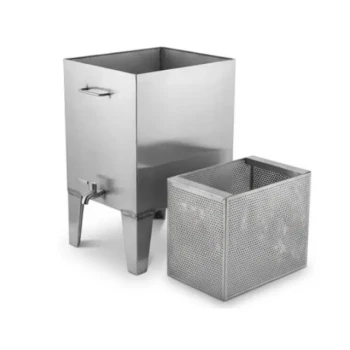
Organic apiaries rely on industrial-grade steam and open flames to achieve sterilization through extreme heat rather than chemical toxicity. This physical method effectively eradicates dangerous pathogens and parasites, such as Varroa mites, while strictly adhering to organic production rules that prohibit synthetic chemical residues.
By substituting chemical disinfectants with high-temperature physical methods, beekeepers can safeguard colony health and ensure production facilities remain free of prohibited substances.
The Imperative of Chemical-Free Sterilization
Avoiding Chemical Residues
The primary driver for using heat is the elimination of chemical residues. Traditional disinfectants can linger on surfaces, potentially contaminating honey, wax, and propolis.
Organic standards demand that the final bee products remain pure. Steam and flame leave behind nothing but sterilized surfaces, ensuring the integrity of the hive products.
Compliance with Organic Rules
Organic certification is rigorous regarding inputs. You cannot use synthetic substances to clean equipment that interacts with the bees.
Physical disinfection methods, such as industrial steam and direct fire, satisfy these regulatory requirements. They provide a "clean kill" for pests without introducing restricted substances into the production cycle.
Mechanisms of Physical Disinfection
The Power of Thermal Action
Both steam and open flame rely on thermal action to neutralize biological threats. Pathogens and parasites have specific thermal death points; exceeding these temperatures destroys them instantly.
This is particularly effective against resilient pests like Varroa mites. The heat penetrates crevices where chemical sprays might not reach, offering a more comprehensive sanitation solution.
Dual-Purpose Mechanical Cleaning
Steam offers an advantage beyond simple sterilization: mechanical cleaning.
Steam wax melters utilize high-temperature water vapor to melt away beeswax and propolis while simultaneously sanitizing the tools. This efficiency allows for the maintenance of hygiene and equipment utility in a single step.
Understanding the Operational Trade-offs
Equipment and Safety Demands
While effective, these methods require significant investment in industrial-grade equipment. High-pressure steam generators are more complex and expensive to operate than simple chemical sprayers.
Furthermore, the use of open flames introduces immediate safety risks. It requires careful handling to prevent injury to the beekeeper or accidental damage to wooden hive components.
Material Stress
Frequent exposure to extreme heat can degrade certain hive materials over time.
While wood generally withstands flame sterilization (scorching), plastic foundations or delicate components may warp or melt under industrial steam or direct fire. You must ensure your equipment is compatible with thermal sterilization methods.
Making the Right Choice for Your Goal
To determine if thermal disinfection fits your operation, consider your specific compliance needs and equipment capabilities.
- If your primary focus is Organic Certification: You must utilize thermal methods like steam or flame to ensure zero chemical residue and full regulatory compliance.
- If your primary focus is Equipment Longevity: You should assess your hive materials to ensure they can withstand repeated high-temperature exposure without warping or degrading.
Ultimately, adopting thermal disinfection is the most definitive way to align superior hive hygiene with the purity required by organic standards.
Summary Table:
| Disinfection Method | Core Mechanism | Key Advantages | Equipment Compatibility |
|---|---|---|---|
| Industrial Steam | Thermal + Mechanical | Melts wax/propolis; deep penetration | Metal tools, wax melters |
| Open Flame | Direct Heat | Rapid surface sterilization; effective for wood | Wooden hive bodies, metal tools |
| Chemical Methods | Toxicity | Low upfront cost (Not Organic) | General equipment (non-organic) |
Elevate Your Organic Apiary with Professional Tools
At HONESTBEE, we understand that maintaining organic certification requires the right equipment. Whether you are a commercial apiary or a distributor, we provide the industrial-grade machinery and beekeeping tools necessary to achieve high-heat sterilization and production excellence. From specialized hive-making and honey-filling machines to a full spectrum of essential consumables, our portfolio is designed to enhance your efficiency and product purity.
Ready to scale your organic operations? Contact us today to explore our wholesale equipment solutions and see how HONESTBEE can support your business growth.
References
- Yuliia Aleskerova, Volodimir Todosiichuk. ANALYSIS OF ECONOMIC ASPECTS OF ORGANIC BEEKEEPING PRODUCTION. DOI: 10.30525/2661-5169/2021-1-1
This article is also based on technical information from HonestBee Knowledge Base .
Related Products
People Also Ask
- How does a steam wax melter work? A Fast, Efficient Method for High-Quality Wax
- How does a professional steam wax melter optimize the recovery of beeswax? Maximize Yield & Hygiene for Your Apiary
- What are the steps to use a steam wax melter? Master Safe & Efficient Wax Rendering
- How do steam wax melters function in the disinfection of apiary equipment? Achieve Chemical-Free Organic Sterilization
- How do you operate a steam wax melter? Master Efficient Wax Extraction and Frame Sterilization