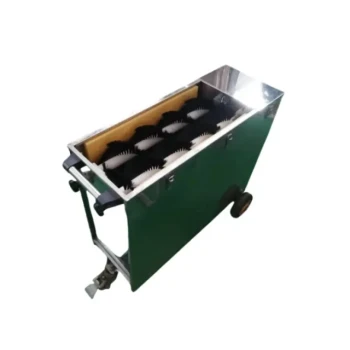
The optimal timeframe for commercial apiaries to perform maintenance is November and December. This period coincides with a natural reduction in bee activity, providing a critical window for operators to focus on infrastructure without disrupting active honey production. By utilizing these dormant months, apiarists can conduct thorough inspections, repairs, and replacements to ensure all systems are fully operational before the spring season begins.
Core Takeaway Maintenance is not just about repair; it is about readiness. Utilizing the winter downtime to service machinery ensures your operation transitions from a manual sideline activity to a standardized, scalable industry capable of meeting international export standards come spring.
Strategic Timing for Operational Efficiency
Leveraging the Dormant Season
The months of November and December offer a unique lull in the beekeeping calendar. Because bee activity is significantly reduced, the risk of disturbing the colony or interrupting workflow is minimized.
Preparation for the Spring Rush
This specific window allows you to evaluate your inventory proactively. Identifying equipment that requires repair or replacement now prevents catastrophic failures during the high-pressure spring season.
The Scope of Commercial Maintenance
Standardizing Infrastructure
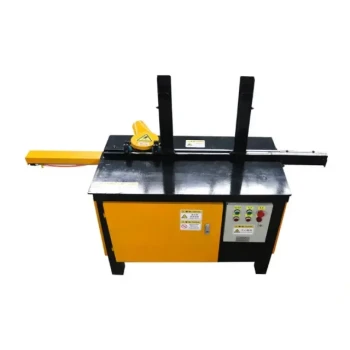
Commercial apiaries rely on complex hardware, such as hive-making machines, to maintain consistency. Maintenance during this window ensures that every hive produced meets exact specifications, reducing the variability often found in manual operations.
Optimizing Collection Tools
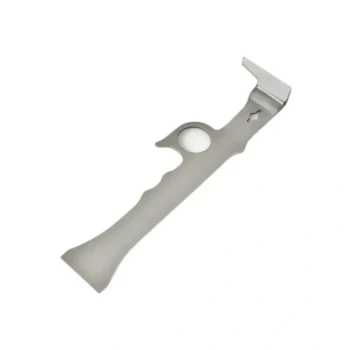
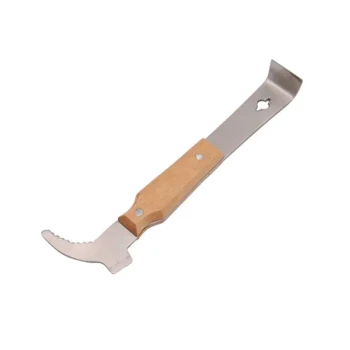
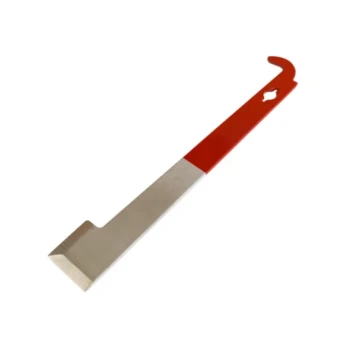
Honey and propolis collection tools require rigorous inspection to ensure hygiene and efficiency. Proper maintenance of these tools is essential for transitioning your operation from traditional methods to a modern, scalable industry.
Calibrating Post-Processing Equipment
To achieve the purity levels required for international export, post-processing machinery must be functioning perfectly. Winter maintenance ensures these systems are calibrated to process raw materials without contamination or loss of quality.
Common Pitfalls to Avoid
The Cost of Reactive Repair
Waiting until equipment breaks during the active season is a critical error. Reactive maintenance in the spring results in costly downtime when production should be at its peak.
Overlooking "Minor" Wear
Small inefficiencies in mechanical tools can compound over time, leading to significant variability in product quality. Ignoring minor wear during the inspection phase can compromise the standardization of your entire yield.
Making the Right Choice for Your Goal
To maximize the impact of your maintenance schedule, align your focus with your operational targets.
- If your primary focus is Scalability: Prioritize the maintenance of hive-making machinery to ensure you can rapidly expand colony numbers with standardized housing in the spring.
- If your primary focus is Export Quality: Concentrate your efforts on collection and post-processing tools to guarantee the purity and consistency required for international markets.
Thorough winter preparation is the foundation of a profitable and professional spring harvest.
Summary Table:
| Maintenance Focus | Recommended Period | Key Activities | Operational Goal |
|---|---|---|---|
| Dormant Season | Nov - Dec | Infrastructure inspection & hardware calibration | Minimize disruption to colonies |
| Hive Machinery | Winter Lull | Servicing hive-making machines | Standardized scalability |
| Processing Tools | Pre-Spring | Cleaning and calibrating extraction gear | Ensure export-grade purity |
| Inventory Audit | Year-End | Replacement of worn consumables | Prevent peak-season downtime |
Elevate Your Beekeeping Operation with HONESTBEE
Transition from manual sideline tasks to a standardized, high-yield commercial industry. HONESTBEE specializes in supporting commercial apiaries and distributors with a full spectrum of professional tools—from automated hive-making and honey-filling machinery to essential industry consumables and honey-themed merchandise.
Don't let equipment failure stall your spring production. Ensure your facility meets international export standards with our premium hardware and expert support. Contact HONESTBEE today to upgrade your infrastructure and secure your competitive edge in the global market!
Related Products
- HONESTBEE 15-in-1 Beekeeper Multi-Tool with Hammer and Pliers for Beekeeping
- Stainless Steel Queen Grafting Tool for Beekeeping and Bee Queen Grafting
- HONESTBEE Advanced Ergonomic Stainless Steel Hive Tool for Beekeeping
- Stainless Steel J Hook Hive Tool for Beekeeping
- HONESTBEE Classic Pry Bar Hive Tool with High Visibility Finish for Beekeeping
People Also Ask
- What is the recommended method for storing beekeeping tools? Expert Vertical Storage Solutions for Your Apiary
- Why is the treatment of beekeeping tools with high-concentration chemical disinfectants necessary for preventing AFB?
- How does a favorable microclimate interact with beekeeping tools? Boost Overwintering Success and Equipment Longevity
- Why are specialized beekeeping tools and consumables essential? Enhance Colony Management and Honey Yield Today
- What role do specialized beekeeping tools play in pest management? Enhance Apiary Health with Precision Tech