Frame hives have replaced traditional log hives in industrial beekeeping because they fundamentally shift the practice from passive collection to active management. By introducing a standardized system that allows for human intervention, precise colony monitoring, and the use of centrifugal extractors, frame hives solve the scalability and efficiency problems that make log hives unviable for commercial production.
The Core Shift Traditional log hives rely on natural processes that are unpredictable and difficult to manage. Frame hives provide the necessary hardware foundation for industrial operations, enabling non-destructive harvesting and massive yield increases by allowing beekeepers to manage the colony's environment rather than simply observing it.
The Mechanics of Scalability
Active Human Intervention
In a traditional log hive, the colony is largely inaccessible. Frame hives utilize a modular design with removable frames, granting beekeepers direct access to the colony's interior.
This allows for precise monitoring of colony health, queen performance, and resource levels. Beekeepers can identify issues like disease or starvation early and intervene immediately, reducing colony losses.
Standardization of Equipment
Industrial production requires consistency. Frame hives are built on a standardized design, making them compatible with modern components like supers, wax foundation sheets, and queen excluders.
This interoperability allows operations to scale up without customizing equipment for every individual hive. It also removes the industry's dependency on finding natural resources, such as hollow trees, to expand the apiary.
Ground-Level Management
Modern frame hives are designed for ground-level operation. This significantly reduces the physical difficulty and labor time required for harvesting compared to traditional methods.
Maximizing Production Efficiency
Non-Destructive Harvesting
The single biggest efficiency gain in frame hives is the ability to use centrifugal extractors. This machine spins honey out of the frames without destroying the wax honeycomb.
Because the comb is preserved, it can be returned to the hive. This is critical because honeybees consume significant energy to produce wax; by reusing combs, bees can focus their energy on honey production rather than reconstruction.
Quantifiable Yield Increases
The impact of this design on output is substantial. Research indicates that frame hives can produce an average of roughly 15.1 kg per harvest, compared to just 3.51 kg in traditional hives.
In optimized industrial settings, annual yields for modern frame hives can range from 20 to 80 kg per hive, whereas traditional log hives typically yield only 5 to 8 kg.
Superior Quality Control
Traditional harvesting often involves cutting out the entire comb, which can crush larvae and mix beeswax or pollen into the honey.
Frame hives allow for the effective separation of the brood (where larvae live) and the honey stores. This results in a product with higher purity and commercial value, free from biological impurities.
Understanding the Trade-offs
Management Intensity
While frame hives offer control, they demand it. The system requires skilled labor to perform routine inspections, swarm control, and colony splitting.
Cost and Complexity
The hardware for frame hives—boxes, frames, foundations, and extractors—represents a significantly higher upfront capital investment than traditional log hives. Success depends on the beekeeper's ability to maximize yield to offset these costs.
Making the Right Choice for Your Goal
To determine the best approach for your apiary, consider your primary objective:
- If your primary focus is maximum yield and profit: You must adopt standard frame hives to utilize centrifugal extraction and reuse honeycombs, which drastically increases production volume.
- If your primary focus is low-maintenance or conservation: Traditional log hives may suffice, but you must accept significantly lower yields and a lack of ability to inspect for disease.
Frame hives transform the honeybee colony from a wild resource into a manageable asset, providing the only viable path for consistent, large-scale production.
Summary Table:
| Feature | Traditional Log Hives | Modern Frame Hives |
|---|---|---|
| Management Type | Passive / Minimal Intervention | Active / Precise Monitoring |
| Harvest Method | Destructive (Combs crushed) | Centrifugal (Non-destructive) |
| Annual Honey Yield | 5 – 8 kg per hive | 20 – 80 kg per hive |
| Comb Reusability | No (Bees must rebuild) | Yes (Significant energy saving) |
| Quality Control | High impurities (pollen/larvae) | High purity (separated brood) |
| Scalability | Low (Dependent on nature) | High (Standardized hardware) |
Elevate Your Apiary's Commercial Potential with HONESTBEE
Transitioning to frame hives is the first step toward industrial-scale success. HONESTBEE specializes in empowering commercial apiaries and distributors with the professional tools needed to maximize efficiency.
From standardized hive-making and honey-filling machinery to high-durability hardware and essential consumables, we provide a comprehensive wholesale portfolio tailored for large-scale production. Whether you are expanding your operation or looking for specialized honey-themed cultural merchandise, our expertise ensures your success in the competitive beekeeping market.
Ready to scale your production? Contact our experts today to receive a customized equipment quote and discover the HONESTBEE advantage.
References
- Maria Martynova. IMPROVING THE FORAGE FOR HONEY BEES IN THE REPUBLIC OF BASHKORTOSTAN. DOI: 10.31563/1684-7628-2020-54-2-38-44
This article is also based on technical information from HonestBee Knowledge Base .
Related Products
- Wooden Bee Hive Frames for Beekeeping and Wholesale
- Plastic Bee Frame Beekeeping Hive Frames for Wholesale
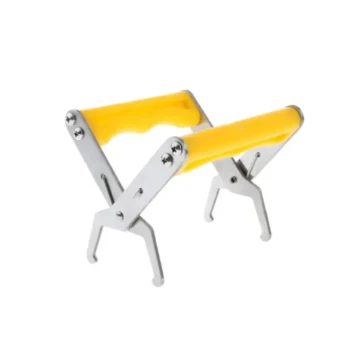
- Ergonomic High Visibility Plastic Frame Grip Handles
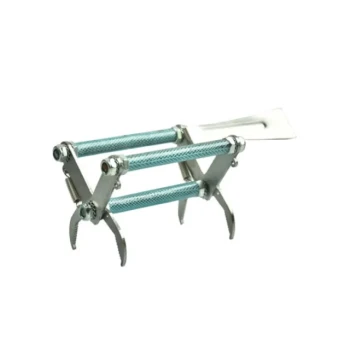
- Professional 3-Bar Frame Grip with Integrated Hive Tool
- Professional Galvanized Steel Frame Rest for Beehives
People Also Ask
- How does balancing the number of frames impact hive productivity? Optimize Your Apiary's Biological Output
- How do wooden and plastic hive frames compare in terms of durability? Wood vs. Plastic Longevity & Repairability
- What are the main considerations when choosing between wooden and plastic bee hive frames? Optimize Your Apiary's Efficiency
- How should beehive frames be maintained to prolong their lifespan? 5 Pro Tips for Durable Beekeeping Equipment
- What is the primary function of frames within a beehive system? Structural Foundation and Hive Management