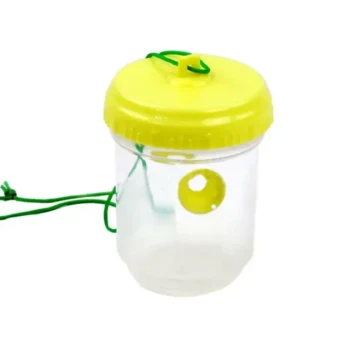
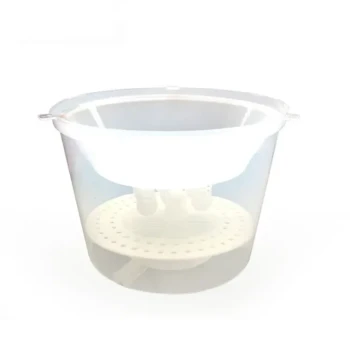
70% ethanol is the industry-standard solution for cleaning pollen traps because it effectively eliminates microbial contamination and chemical residues from previous sampling cycles. This rigorous decontamination process prevents cross-contamination between samples, ensuring the scientific independence and accuracy of pesticide residue analysis for honeybee pollen collected at different time intervals.
To maintain the integrity of apicultural research, 70% ethanol serves as a critical dual-purpose agent that sanitizes equipment while preserving the biochemical profile of the samples. For distributors and wholesalers, providing high-purity ethanol is essential for ensuring that field researchers achieve accurate, reproducible results in pesticide and pathogen monitoring.
The Critical Role of Decontamination in Field Sampling
Eliminating Cross-Contamination
Cleaning pollen traps with 70% ethanol removes lingering chemical residues from previous collection periods. This ensures that pesticide analysis reflects only the specific window of time being studied, rather than an accumulation of older contaminants.
Microbial Sterilization
Ethanol acts as a potent disinfectant, neutralizing bacteria and fungi that may thrive in the nutrient-rich environment of a pollen trap. Without this step, microbial growth could degrade the protein content or alter the chemical signature of the pollen samples.
Ensuring Analytical Accuracy
By providing a "blank slate" for each sampling cycle, ethanol ensures the independence of data. This is vital for longitudinal studies where researchers must track changes in environmental toxins or bee health over specific seasonal transitions.
Technical Advantages of the 70% Ethanol Concentration
Optimized Biological Penetration
Unlike higher concentrations that may instantly sear the exterior of organic matter, a 70% solution is optimized for rapid penetration of biological tissues. This allows the solution to denature proteins and neutralize pathogens deep within any remaining organic debris on the trap.
Preservation of Molecular Integrity
For samples that come into contact with the cleaned surfaces, 70% ethanol helps maintain DNA integrity and morphological characteristics. It inhibits endogenous nucleases that would otherwise degrade genetic material, making it indispensable for subsequent molecular diagnostics.
Dissolving Adhesive Residues
Ethanol serves as an effective solvent for protective wax layers and sticky resins often found in beehives. By breaking down these physical adhesives, the solution ensures that the trap surfaces are physically as well as biologically clean.
Understanding the Trade-offs and Pitfalls
Volatility and Evaporation
Ethanol is highly volatile, meaning it evaporates quickly in field conditions. If containers are not chemically stable and hermetically sealed, the concentration may drop, reducing its effectiveness as both a cleaner and a preservative.
Flammability and Field Safety
While effective, ethanol is a flammable substance that requires careful handling in high-temperature field environments. Distributors must prioritize robust packaging and clear safety labeling to meet the needs of professional apiary researchers.
Equipment Material Compatibility
While ethanol is safe for most metal and high-density plastic traps, prolonged exposure can degrade certain lower-grade plastics or adhesives. It is critical to ensure that the sampling hardware is designed to withstand frequent chemical sanitization.
Maximizing Value in Your Consumables Supply Chain
The demand for high-grade ethanol in apiculture requires a supplier who understands the intersection of chemical precision and field logistics. Success in this sector depends on a partner capable of delivering consistent, lab-quality reagents with professional-grade speed.
- If your primary focus is research accuracy: Prioritize sourcing 70% ethanol that is certified for laboratory use to ensure no secondary contaminants are introduced to the pollen traps.
- If your primary focus is supply chain efficiency: Leverage our ultra-fast delivery and deep professional expertise to maintain a consistent inventory of critical field consumables.
- If your primary focus is comprehensive service: Utilize a one-stop sourcing model that pairs high-purity ethanol with robust, chemically resistant sampling bottles and glass containers.
Providing the right chemical consumables is the foundation of reliable field data and long-term scientific success.
Summary Table:
| Feature | Benefit for Pollen Sampling |
|---|---|
| Microbial Sterilization | Neutralizes fungi and bacteria to prevent sample degradation. |
| Residue Removal | Eliminates cross-contamination from previous pesticide cycles. |
| 70% Concentration | Optimized for deep biological penetration and protein denaturation. |
| Molecular Preservation | Maintains DNA integrity and biochemical profiles for analysis. |
| Solvent Properties | Effectively dissolves sticky propolis, waxes, and resins. |
Scale Your Beekeeping Business with HONESTBEE
As a leading global supplier, HONESTBEE provides distributors, wholesalers, and B2B resellers with a comprehensive, one-stop sourcing solution for the entire apiculture industry. From high-purity consumables to specialized honey-filling machines and commercial-grade beekeeping tools, our portfolio is designed to maximize your profit margins and ensure supply reliability.
Why Partner with HONESTBEE?
- Comprehensive Portfolio: Full-spectrum products covering hardware, machinery, and essential industry consumables.
- Efficiency & Speed: Ultra-fast delivery and rapid response times to maintain your supply chain fluidity.
- Industry Expertise: Deep professional knowledge and dedicated support for OEM/ODM requirements and certifications.
- Targeted Solutions: High-quality gear tailored for commercial apiaries and professional research applications.
Contact us today to explore our wholesale offerings and premium trading services!
References
- Niks Ozols, Viktorija Zagorska. Pesticide Contamination of Honey-Bee-Collected Pollen in the Context of the Landscape Composition in Latvia. DOI: 10.3390/toxics12120862
This article is also based on technical information from HonestBee Knowledge Base .
Related Products
- Removable Plastic Pollen Trap With Ventilated Tray for Bees Pollen Collector
- 30 cm Plastic Entrance Hole Bee Pollen Trap and Collector
- Plastic Bee Pollen Trap Strips Comb Catcher Collector
- High-Efficiency Diamond Maze Bee Escape for Clearing Supers
- Professional Bucket Style Wasp and Moth Pheromone Trap
People Also Ask
- What are the design principles and advantages of pollen traps in the collection of bee pollen? Boost Your Apiary Yield
- What is the function of professional pollen traps in evaluating honey plants? Quantifying Pollination and Crop Potential
- What functions do pollen traps serve for bee bread production? Optimize Your Raw Material Collection
- What maintenance and pest prevention measures should be taken for pollen traps? Protect Your Hive and Harvest Quality
- How does the use of pollen traps in honeybee hives enhance crop fertilization? Boost Your Yield Through Induced Activity