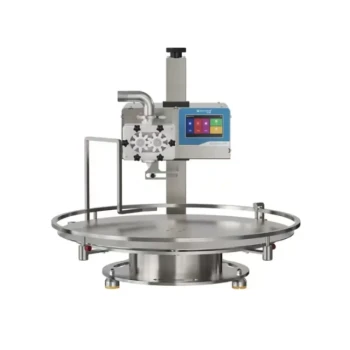
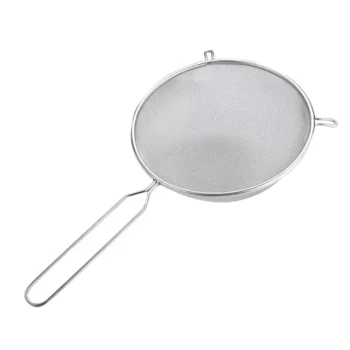
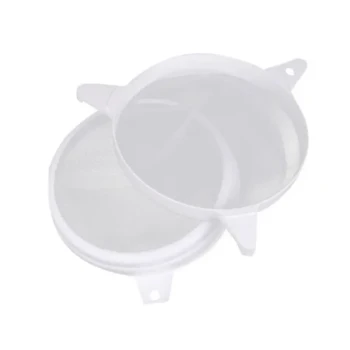
High-precision filtration serves a critical dual purpose: it rigorously eliminates physical contaminants while strictly preserving the honey's botanical identity. During primary processing, these systems utilize multi-stage fine-pore stainless steel meshes to mechanically remove wax fragments, insect remains, and other debris. Crucially, this process improves product clarity and hygiene without stripping the natural pollen content, ensuring compliance with strict food safety regulations like EU Council Directive 2001/110/EC.
The core value of high-precision filtration is its ability to separate spoilage-causing impurities from the raw product without altering its chemical composition or removing the pollen required for legal classification as honey.
The Mechanics of Purity and Compliance
Removing Physical Contaminants
Raw honey often contains undesirable "mechanical impurities" immediately after harvesting.
High-precision systems use physical barriers to intercept wax debris, bee larvae, eggs, and airborne dust. Removing these solids is the first step in transforming crude harvest into a consumable food product.
Adhering to Regulatory Standards
Food safety regulations, particularly in the EU, differ significantly for honey compared to other syrups.
Directives such as 2001/110/EC prohibit the presence of foreign matter but also mandate that natural pollen remains in the final product. Precision filtration is calibrated to navigate this narrow window: it is fine enough to catch insect parts but coarse enough to let microscopic pollen grains pass through.
Enhancing Stability and Shelf Life
Preventing Spoilage and Off-Flavors
Impurities are not just an aesthetic issue; they are a biological risk.
Biological matter, such as larval proteins or eggs, can decompose over time, leading to rancidity or fermentation. By mechanically removing these protein sources, filtration prevents the development of off-flavors and significantly extends the product's stable shelf life.
Delaying Crystallization
Crystallization is a natural process, but foreign particles accelerate it.
Bits of wax and dust act as "nucleation sites" where glucose crystals begin to form. By removing these solid impurities, high-precision filtration slows the rate of crystallization, keeping the honey liquid and transparent for a longer period on the shelf.
Market Value and Sensory Quality
Visual Clarity and Consumer Trust
Modern consumers associate clarity with quality.
Filtration removes the cloudiness associated with suspended debris, resulting in a visually pure, transparent product. This sensory upgrade is essential for distinguishing premium commercial honey from lower-grade industrial options.
Consistent Product Grading
Commercial distribution requires consistency.
Standardized filtration ensures that every batch meets the same grading standards for color and purity. This reliability is essential for large-scale operations and building a reputable brand image.
Understanding the Trade-offs
The Risk of Over-Filtration
While filtration is necessary, "ultra-filtration" can be detrimental.
If the mesh size is too fine, it removes the pollen entirely, transforming the honey into a generic sweetener that may no longer meet legal definitions of honey. Operators must select filter grades that balance clarity with botanical authenticity.
Operational Maintenance
High-precision implies high maintenance.
Fine-pore stainless steel meshes effectively trap debris, but they also clog more rapidly than coarse filters. This requires a processing workflow that accounts for regular cleaning or back-flushing to maintain flow rates without increasing pressure that could damage the equipment or the honey.
Making the Right Choice for Your Goal
When selecting a filtration strategy, align your equipment settings with your specific commercial objectives:
- If your primary focus is Regulatory Compliance: Prioritize mesh sizes that are validated to pass pollen while removing visible insect fragments to meet standards like EU Council Directive 2001/110/EC.
- If your primary focus is Shelf Life Stability: Ensure your system is capable of removing microscopic biological debris (larvae/protein) to prevent fermentation and rancidity.
- If your primary focus is Premium Market Positioning: Focus on multi-stage systems that maximize visual transparency and delay crystallization to enhance shelf appeal.
Precision filtration is the definitive step that turns a raw agricultural harvest into a safe, stable, and marketable food product.
Summary Table:
| Feature | Benefit | Impact |
|---|---|---|
| Physical Removal | Filters wax, larvae, and dust | Enhances hygiene and food safety |
| Pollen Retention | Calibrated mesh sizes | Ensures compliance with EU 2001/110/EC |
| Spoilage Control | Eliminates organic debris | Prevents fermentation and off-flavors |
| Crystallization | Removes nucleation sites | Extends liquid state and shelf life |
| Visual Clarity | Removes cloudiness | Boosts market value and consumer trust |
Elevate Your Honey Processing with HONESTBEE
At HONESTBEE, we understand that high-precision filtration is the bridge between raw harvest and a premium, marketable product. We specialize in supporting commercial apiaries and distributors with a comprehensive wholesale range of beekeeping tools, specialized machinery, and essential consumables.
From advanced honey-filling machines to durable filtration hardware designed to meet strict regulatory standards, our portfolio is built to enhance your operational efficiency and product quality. Partner with us to scale your honey brand and ensure every batch meets the highest industry benchmarks.
Contact our honey processing experts today to optimize your production line!
References
- Artem Antoniv, Dina Lisohurska. COMPARISON OF INTERNATIONAL REQUIREMENTS FOR QUALITY AND SAFETY OF BEEKEEPING PRODUCTS. DOI: 10.64378/iriush.journals.2025.1.1
This article is also based on technical information from HonestBee Knowledge Base .
Related Products
- Professional Stainless Steel Honey Filtering Machine with Water Bath Heating for Beekeeping
- Commercial Rotary Honey Filling Machine for Production
- Professional Stainless Steel Honey Filter with Support Handle
- Electric Double Wall Honey Filtering Machine Purifier Equipment for Honey Processing Plant
- Professional Cone-Shaped Honey Filter with Reinforced Steel Ring
People Also Ask
- Why is filtering honey an important step in honey processing? Ensure Purity, Clarity & Marketability
- What is the best way to filter honey? A Guide to Quality, Clarity, and Raw Preservation
- Is it necessary to filter honey after extraction? A Guide to Straining vs. Raw Honey
- Why do people filter honey? For Clarity, Stability, and Consumer Appeal
- What are the benefits of using honey filters? Achieve Purity, Efficiency, and Market Appeal