Real-time data visualization is the single most effective way to eliminate guesswork in migratory beekeeping. An electronic hive weighing and tracking system utilizes high-precision load sensors to monitor the accumulation of nectar and pollen as it happens. This immediate feedback allows beekeepers to assess the productivity of the surrounding flora remotely, removing the need for disruptive manual inspections to check honey levels.
The Core Insight Migratory beekeeping relies on timing; moving too early leads to missed resources, while moving too late wastes time and colony energy. Electronic tracking transforms hive weight into a precise metric for floral abundance, providing the scientific basis required to schedule harvests and relocations with maximum efficiency.
Transforming Data into Logistics Strategy
Remote Flora Assessment
In migratory operations, you cannot always be physically present at every apiary site. Electronic weighing systems act as a remote sensor for the local environment. By tracking subtle increases in hive weight, you can confirm whether the local flora is secreting nectar without visiting the site.
Scientifically Timed Harvesting
The system identifies the exact moment weight gain plateaus, indicating the end of a nectar flow. This data provides a scientific basis for scheduling honey harvesting. It ensures you harvest at peak production rather than estimating based on calendar dates or intuition.
Reducing Colony Disturbance
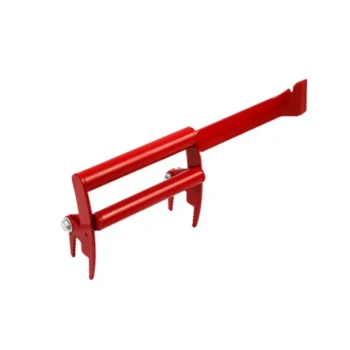
Traditional beekeeping requires physically opening the hive to check honey stores. This often involves using a hive tool to pry apart propolis-sealed components, which disrupts the colony's internal climate and structure. Electronic tracking eliminates these unnecessary intrusions, allowing bees to maintain their workflow undisturbed.
Optimizing Relocation Schedules
The primary goal of migratory beekeeping is following the bloom. When the weighing system shows that resource intake has stopped, it signals that the local forage is exhausted. This is the critical trigger to deploy transport vehicles and move the apiary to the next location, ensuring continuous honey production throughout the seasons.
Understanding the Operational Trade-offs
Equipment Dependency vs. Data Dependency
While weighing systems provide critical intelligence, they do not replace the physical infrastructure of migration. You still rely heavily on specialized transport equipment and ventilation systems to safely move colonies. The data tells you when to move, but the physical hardware ensures the bees survive the journey.
The Limits of Remote Monitoring
Weight data indicates resource abundance, but it cannot diagnose colony health issues like disease or queen failure. You will still need a hive tool to break propolis seals for comprehensive health inspections. The electronic system reduces the frequency of inspections, but it does not eliminate the need for hands-on management.
Making the Right Choice for Your Goals
To integrate this technology effectively, align your usage with your specific operational focus:
- If your primary focus is maximizing yield per location: Use the weight trends to identify the precise peak of the nectar flow, ensuring you never pull frames too early or miss the tail end of a bloom.
- If your primary focus is logistical efficiency: Use the data to coordinate your transport fleet, triggering relocations only when the current site's biological resources are scientifically proven to be depleted.
This technology bridges the gap between biological activity and logistical planning, turning hive weight into your most valuable management asset.
Summary Table:
| Feature | Traditional Manual Inspection | Electronic Tracking System |
|---|---|---|
| Data Accuracy | Subjective / Visual estimate | High-precision load sensors |
| Labor Intensity | High (physical site visits) | Low (remote monitoring) |
| Hive Disturbance | Frequent (requires hive tool) | Minimal (non-intrusive) |
| Move Timing | Estimated / Calendar-based | Scientific (based on flow plateau) |
| Productivity | Potential missed blooms | Maximized via real-time alerts |
Scale Your Apiary Efficiency with HONESTBEE
Transitioning from intuition to data-driven management is the key to scaling a profitable migratory operation. At HONESTBEE, we empower commercial apiaries and distributors with the specialized tools needed for this evolution. From high-precision weighing systems to industrial honey-filling machines and hive-making hardware, our comprehensive wholesale portfolio covers every stage of production.
Whether you are a distributor looking to supply cutting-edge technology or a commercial beekeeper upgrading your transport and processing logistics, we provide the machinery and consumables that drive results. Contact us today to learn how our hardware solutions can streamline your migratory workflow and boost your seasonal yield.
References
- Şahin Aydın. Awareness and Adoption of Smart Beekeeping Technologies Among Migratory Beekeepers in Türkiye: The Case of Mersin, Denizli, and Kırklareli. DOI: 10.51458/bstd.2025.46
This article is also based on technical information from HonestBee Knowledge Base .
Related Products
- Ergonomic Plastic Frame Spacer Tool for Rapid Hive Management Beekeeping
- HONESTBEE Professional Mini J-Hook Hive Tool for Beekeeping
- Modern Flat-Mount Hive Number Set for Beekeeping
- Professional Large-Format Hive Number Set for Beekeeping
- Heavy Duty Adjustable Hive Connector
People Also Ask
- What specific challenges do beekeeping hive tools address during hive maintenance? Essential Solutions for Apiaries
- How do specialized beehive management tools assist in the routine maintenance of bee colonies? Boost Hive Efficiency
- How do specialized beehive management tools support high-purity honey production? Master Monofloral Isolation
- How do traditional harvesting tools like axes and machetes negatively affect bee colonies? Upgrade to Professional Gear
- How do spring inspections for honeybee starvation symptoms guide apiary management? Optimize Colony Survival & Growth