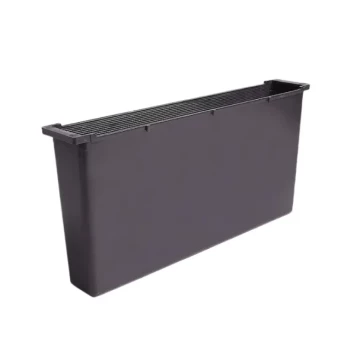
Internal hive feeders are the primary defense mechanism against starvation when nature fails to provide. During summer droughts or winter scarcity, these devices allow you to deliver artificial supplementary feed—specifically a 50% concentration sugar syrup—directly to the colony, acting as a lifeline when natural nectar sources are exhausted.
By simulating a nectar flow during dearth periods, internal feeders ensure the continuity of the colony's lifecycle. They prevent the disastrous halt of larval development and stop the bees from abandoning the hive in a desperate search for resources.
Sustaining Biological Continuity
Supporting Intensive Breeding Phases
A honeybee colony acts as a single biological unit that requires constant fuel. When natural resources dry up, the queen may stop laying eggs to conserve energy.
Internal feeders provide the steady caloric input necessary to maintain "intensive breeding phases." This ensures that the population does not crash during a dearth, keeping the colony strong enough to capitalize on the next nectar flow.
Ensuring Worker Vitality
Worker bees require significant energy to forage, guard, and maintain the hive. Without a constant food source, their vitality plummets.
By providing supplementary feed, you ensure the workforce maintains the physical stamina required for daily operations. This is critical for stabilizing the colony during long stretches of resource scarcity.
Preventing Colony Absconding
One of the most severe risks during a dearth is absconding—where the entire colony abandons the hive.
This behavior is often a desperate reaction to starvation. The internal feeder serves as an anchor; by guaranteeing food availability, you remove the biological trigger that forces the bees to leave.
Installation and Configuration
Proper Placement for Access
To function correctly, the feeder must be easily accessible to the cluster without exposing the hive to the elements.
For a single colony, a round hive top feeder is the standard recommendation. It should be placed inside an empty hive body positioned directly on top of the brood box, protecting the food source while keeping it within the bees' reach.
Interaction with Winter Insulation
During winter, management shifts toward retaining heat. Insulation strategies typically involve reducing the internal volume of the hive and adding external covers.
However, feeding requires space. Because the feeder sits in an empty hive body, it technically increases the volume the bees must heat. This creates a dynamic where the beekeeper must manage the feed source while ensuring the colony remains tight and warm.
Operational Considerations and Trade-offs
The Volume vs. Warmth Conflict
While feeding is necessary during scarcity, the equipment required to do so can conflict with thermal efficiency.
Supplementary references note that winter survival relies on reducing the space bees need to heat. Adding an empty super to house a feeder increases that space. You must weigh the immediate need for food against the colony's ability to maintain cluster warmth, especially when temperatures drop below 50°F (10°C).
Dependency on Artificial Sources
The goal of the feeder is to bridge a gap, not to replace nature permanently.
Reliance on 50% sugar syrup is a "critical tool" for maintenance, but it is an artificial substitute. It is most effective when used specifically to counter the lack of natural nectar or to support specific breeding goals, rather than as a permanent fixture when natural forage is available.
Optimizing Your Feeding Strategy
The use of an internal feeder is about timing and specific colony needs. Use the following guide to determine your approach:
- If your primary focus is Maintaining Population: Use the feeder to provide 50% sugar syrup during summer dearths to prevent a pause in brood rearing.
- If your primary focus is Preventing Loss: Deploy the feeder immediately when natural stores are low to stop the colony from absconding due to starvation.
- If your primary focus is Winter Prep: Install the feeder within a protected hive body, but remain vigilant about insulation and total internal volume to prevent heat loss.
Success lies in recognizing the feeder not just as a food bowl, but as a strategic lever to control colony growth and retention.
Summary Table:
| Feature | Purpose | Benefit |
|---|---|---|
| Resource Delivery | Supplies 50% sugar syrup | Prevents starvation during dearth periods |
| Brood Support | Sustains breeding phases | Ensures population growth and workforce vitality |
| Behavioral Control | Maintains internal food stores | Prevents colony absconding and abandonment |
| Placement Strategy | Internal/Top installation | Provides easy access while protecting from elements |
Scale Your Beekeeping Success with HONESTBEE
As a commercial apiary or professional distributor, maintaining colony health during nectar scarcity is critical to your bottom line. HONESTBEE is your dedicated partner in professional beekeeping, providing a comprehensive wholesale range of high-performance tools, machinery, and consumables. From specialized hive-making and honey-filling machines to durable internal feeders and honey-themed cultural merchandise, we equip you with everything needed for large-scale operations.
Empower your business with premium supplies designed for the industry's highest standards.
Contact Us Today to Discuss Wholesale Solutions
References
- Anjali JS, Pratheesh P. Gopinath. Evaluation of first-generation Indian bee, Apis cerana indica colonies raised from breeder colonies by grafting method. DOI: 10.22271/j.ento.2023.v11.i6a.9260
This article is also based on technical information from HonestBee Knowledge Base .
Related Products
- Professional In-Hive Bee Feeder HONESTBEE Frame for Beekeeping
- In-Hive Dual Compartment Frame Bee Feeder for Targeted Colony Nutrition
- Professional Hive Front Entrance Bee Feeder
- HONESTBEE Professional Hive Top Bee Feeder Feeding Solution
- Stainless Steel Round Beehive Air Vents for Ventilation
People Also Ask
- When should beekeepers stop feeding their bees? Let Your Bees Tell You
- Why is the use of a beekeeping feeder for syrup supplementation important? Boost Colony Growth and Survival
- What are the common types of internal and external feeders used in beekeeping? Choose the Right Feeder for Your Hive
- What is a feeder in the context of beekeeping? Optimize Your Hive Nutrition and Growth
- How do specialized feeders contribute to effective artificial feeding? Scientific Apiary Management & Colony Health