High-precision temperature control acts as a critical safeguard against the damaging heat byproducts generated during ultrasonic extraction. By strictly maintaining the environment below 2 degrees Celsius, this equipment prevents the thermal degradation of delicate, heat-sensitive substances such as phytoncides and volatile compounds. This ensures the water-soluble components retain their stability and original pharmacological properties.
The core purpose of this thermal regulation is to counterbalance the energy released by ultrasonic waves, preserving the chemical integrity of bioactive ingredients that would otherwise be destroyed by heat.
The Challenge of Ultrasonic Processing
Heat Generation as a Byproduct
Ultrasonic processing is highly effective for extraction, but it introduces a significant variable: kinetic energy that converts to heat. As ultrasonic waves agitate the mixture to release compounds, the temperature of the liquid rises rapidly. Without intervention, this heat accumulation creates an environment hostile to biological activity.
The Vulnerability of Propolis Components
Propolis is a complex mixture containing volatile compounds and phytoncides. These substances are "heat-sensitive," meaning their molecular structure alters or breaks down when exposed to elevated temperatures. If the temperature exceeds the 2-degree threshold during processing, these medicinal compounds can degrade, rendering the extract less potent.
How High-Precision Control Works
Alternating Processing Cycles
To maintain the strict sub-2°C limit, the equipment does not run continuously. Instead, it utilizes alternating cycles of ultrasonic bursts and active cooling. This "pulse and cool" method ensures that the heat generated during the extraction phase is immediately neutralized before it can impact the propolis.
Stabilizing Water-Soluble Components
The primary goal of keeping the temperature this low is to ensure the stability of water-soluble propolis components. By preventing thermal shock, the equipment allows these components to be extracted into the solution without altering their chemical state. This preservation is vital for ensuring the final product possesses the same pharmacological properties as the raw material.
The Trade-off: Chemical Potency vs. Physical Purity
Understanding the Distinct Roles
It is important to distinguish between physical purity and chemical integrity. Processes like high-precision filtration and centrifugation effectively remove solid impurities like beeswax, wood chips, and bee remains. However, these steps do nothing to protect the medicinal compounds from heat damage.
The Cost of Precision
Implementing high-precision cooling increases the complexity and energy requirements of the extraction line compared to standard solvent extraction. You are trading operational simplicity for pharmaceutical-grade quality. If you rely solely on filtration without thermal control, you may produce a visually clean liquid that lacks the active biological benefits users expect.
Ensuring Quality in Your Extraction Process
To maximize the value of your propolis extraction, consider your specific production goals:
- If your primary focus is Pharmaceutical Potency: Invest in cooling systems capable of rapid thermal recovery to counteract high-intensity ultrasonic cycles immediately.
- If your primary focus is Product Consistency: Ensure your temperature control equipment is synchronized with your grading sieves and centrifugation steps to maintain uniformity across all batches.
Precise thermal management is the only way to bridge the gap between raw material potential and a shelf-stable, bioactive final product.
Summary Table:
| Feature | Ultrasonic Extraction without Control | Extraction with High-Precision Cooling |
|---|---|---|
| Temperature Target | Unregulated (Rising rapidly) | Strictly < 2°C |
| Bioactive State | Thermal degradation & loss | Fully preserved & stable |
| Processing Method | Continuous heat generation | Pulse-and-cool alternating cycles |
| Key Outcome | Reduced medicinal potency | Pharmaceutical-grade bioactivity |
| Purity Focus | Physical filtration only | Chemical integrity + physical purity |
Elevate Your Beekeeping Operation with HONESTBEE
Maximizing the value of your harvest requires more than just raw materials; it demands professional-grade precision. HONESTBEE empowers commercial apiaries and distributors by providing a comprehensive suite of high-performance beekeeping tools and industrial machinery.
Whether you are looking to invest in specialized honey-filling and hive-making machines or require a steady supply of essential industry consumables and cultural merchandise, we deliver the quality your business deserves. Our equipment is designed to bridge the gap between raw potential and premium, shelf-stable products.
Ready to scale your production? Contact us today to explore our wholesale solutions!
References
- П.А. Красочко, T.M. Ukhovska. Studying the anti-virus activity of a water-soluble form of propolis. DOI: 10.31073/vet_biotech35-09
This article is also based on technical information from HonestBee Knowledge Base .
Related Products
- Professional Thermostatic Conical Honey Melter
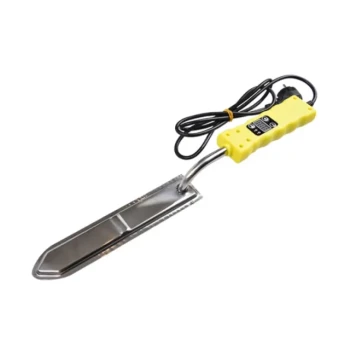
- Professional Electric Honey Uncapping Knife with Heated Digital Temperature Control for Beekeeping
- Honey Gate Valve with Ergonomic Ball Handle Plastic Bee Honey Tap for Beekeeping Bottling and Honey Extractor Equipment
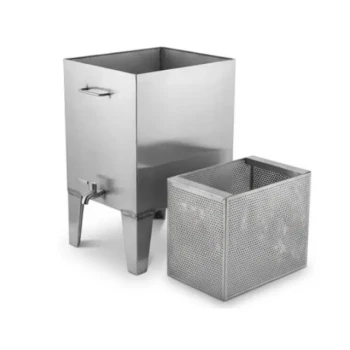
- Heavy Duty Stainless Steel Honey Processing Machine Decrystallizing Tank
- HONESTBEE Commercial Upright Honey Melter
People Also Ask
- What is melter honey used for? A Low-Cost Ingredient for Bakers and Brewers
- How does a honey melter address the issue of crystallized honey in storage? Restore Flow and Quality Efficiently
- How do you melt a bucket of honey? Safely Reliquefy Crystallized Honey Without Damage
- When is a honey melter necessary? Optimize Your Facility's Workflow for Crystallized Honey
- What factors should be considered when selecting a heater for honey containers? Optimize Your Warming Efficiency