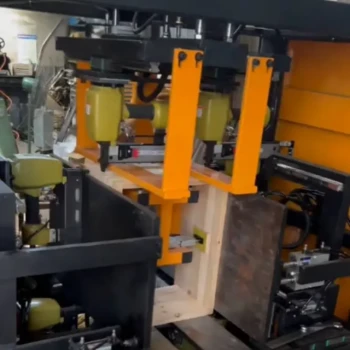
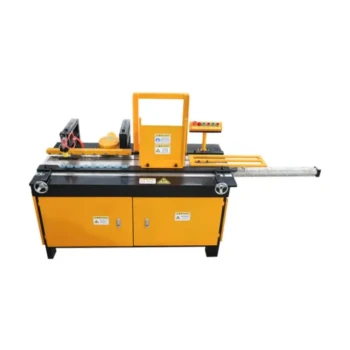
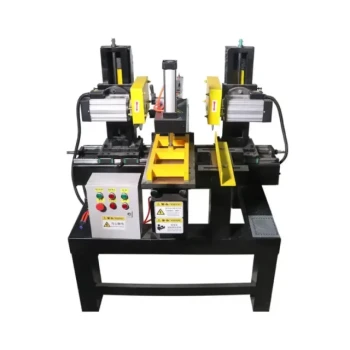
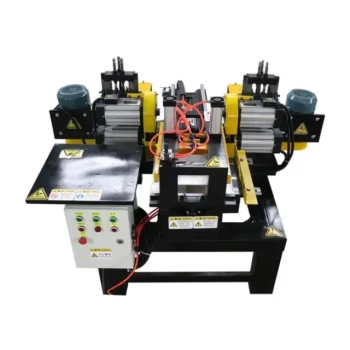
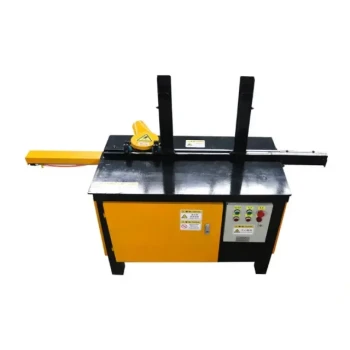
High-precision woodworking machinery is the fundamental enabler of standardized modern beekeeping. It ensures that the physical gaps between frames and the hive body strictly adhere to standard Bee Space dimensions. By maintaining these exact tolerances, manufacturers prevent bees from filling excess voids with burr comb or sealing frames shut with propolis, while guaranteeing the component interchangeability necessary for large-scale commercial operations.
Precision in hive manufacturing is not a luxury; it is a functional requirement dictated by honeybee biology. Without machinery capable of holding tight tolerances, the "Bee Space" is lost, turning hive management into a labor-intensive struggle against the colony's natural building instincts.
The Biological Imperative of Precision
Adhering to the Bee Space Principle
The primary function of high-precision machinery is to respect the "Bee Space"—the specific gap size bees leave open for movement.
If machinery cuts components too loosely, creating a gap larger than the standard, bees will fill it with burr comb.
If the machinery cuts components too tightly, bees will seal the gap with propolis, gluing the frames to the hive body.
Reducing Colony Stress
Accurate machining ensures that hive structures conform to honeybee biological requirements without forcing the colony to correct structural flaws.
When the hive interior is biologically accurate, bees expend less energy modifying the structure and more energy on collecting pollen and nectar.
Enhancing Insulation and Ventilation
Precision manufacturing results in superior structural sealing and uniform dimensions.
This improves insulation and allows for controlled ventilation, significantly reducing the energy the colony must burn to regulate nest temperature.
Enabling Scalability and Standardization
Achieving True Interchangeability
For commercial beekeeping, every frame must fit into every hive body without modification.
High-precision machinery is the only way to ensure this level of consistency across mass production runs.
This interchangeability allows apiarists to streamline operations, such as colony splitting, merging, and artificial pollination, without wrestling with mismatched hardware.
Lowering Maintenance Costs
Standardized components produced with high accuracy possess greater scientific integrity and durability.
Because the parts fit together correctly without forcing, there is less mechanical wear on the equipment.
This reduces the long-term maintenance costs for beekeepers and extends the service life of the hive components.
Structural Integrity and Environmental Protection
Protection Without Chemicals
High-precision processing enables the durable assembly of natural timber components based on mechanical fit rather than chemical adhesives.
This allows for the creation of sturdy, organic-compliant hives that do not require harmful glues or coatings to maintain their seal.
Critical Sealing Capabilities
Tight manufacturing tolerances allow beekeepers to physically confine colonies effectively when necessary.
For example, during pesticide applications, precision-built hives can be sealed with temporary screens that block toxic sprays while maintaining necessary internal ventilation.
Understanding the Trade-offs
The Necessity of Material Stability
While machinery ensures a precise cut, the natural movement of timber can still affect tolerances over time.
Precision machining must be paired with properly dried and stabilized wood to ensure the Bee Space is maintained after the hive is exposed to outdoor elements.
Upfront Investment vs. Operational Efficiency
Implementing high-precision machinery requires significant capital investment compared to manual woodworking tools.
However, this cost is offset by the ability to mass-produce standardized components that open opportunities for specialized industrial collaboration.
Making the Right Choice for Your Manufacturing Goals
When evaluating hive manufacturing technology, align your machinery choice with your specific operational targets:
- If your primary focus is large-scale commercial beekeeping: Prioritize machinery that guarantees 100% component interchangeability to streamline apiary management.
- If your primary focus is organic certification: Select machinery capable of creating tight, durable mechanical joints that eliminate the need for chemical glues.
- If your primary focus is operational efficiency: Ensure the machinery holds strict tolerances to prevent burr comb buildup, reducing the labor required for hive inspections.
Precision machinery does not just cut wood; it enforces the biological standards required for a healthy, manageable apiary.
Summary Table:
| Feature | Impact on Beekeeping | Benefit of High-Precision |
|---|---|---|
| Bee Space Accuracy | Prevents burr comb and propolis buildup | Reduces labor-intensive hive inspections |
| Interchangeability | Frames fit any hive body seamlessly | Streamlines large-scale commercial operations |
| Structural Sealing | Enhances insulation and ventilation | Improves colony health and energy efficiency |
| Mechanical Fit | Eliminates need for chemical adhesives | Supports organic certification standards |
| Durability | Reduces mechanical wear and tear | Lowers long-term maintenance and replacement costs |
Elevate Your Apiary Production with HONESTBEE Precision
At HONESTBEE, we understand that precision is the backbone of successful beekeeping at scale. Whether you are a commercial apiary seeking 100% component interchangeability or a distributor looking to supply top-tier equipment, our comprehensive wholesale offering has you covered.
We provide everything from high-precision hive-making and honey-filling machinery to essential consumables and cultural merchandise. Let us help you eliminate the struggle of mismatched hardware and labor-intensive maintenance.
Ready to scale your operations with industry-leading tools?
Contact HONESTBEE Today to Discuss Your Wholesale Needs
References
- Maximiliano López López. Guerra de Mieles: Hipótesis Para Una Historia Ambiental de la Miel de Abeja En Costa Rica (1906-2014). DOI: 10.32991/2237-2717.2018v8i2.p121-151
This article is also based on technical information from HonestBee Knowledge Base .
Related Products
- Automatic High-Speed Bee Hive Box Stapling Machine
- High-Efficiency Pneumatic Bee Hive Making Machine for Rapid Box Assembly
- Beehive Handle and Frame Rest Cutting Machine: Your Specialized Hive Machine
- Beehive Machine Double End Saw for Precision Hive Component Manufacturing
- Mini Desktop Bee Hive Frame Forming Making Machine
People Also Ask
- How is the Bee Box machine adjusted for different box sizes? Maximize Your Woodworking Versatility and Precision
- How is the Bee Box machine operated? Optimize Your Commercial Hive Production with Scalable Staffing Solutions
- How was the Bee Box machine designed? Industrial Engineering for High-Volume Beekeeping Production
- What is the production capacity of the Bee Box machine? Boost Output up to 1,000 Boxes Daily
- What are the power requirements and control system for the Bee Box machine? Optimize Your Apiary Equipment Production