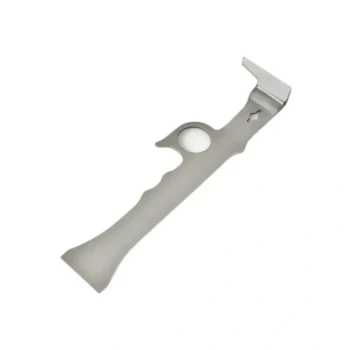
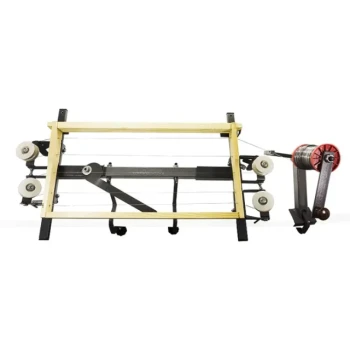
The physical movement of hives and tools in migratory beekeeping is the single largest driver of long-distance fungal disease transmission. Because fungal spores possess high environmental tolerance, they can survive on equipment during transport, turning logistics-related tools into primary vectors that spread infections like Chalkbrood across global regions.
The core operational challenge in migratory beekeeping is that moving colonies effectively creates a "disease highway." Rigorous hygiene management breaks this chain of transmission, preventing localized fungal issues from escalating into large-scale, cross-regional epidemics.
The Mechanics of Transmission
Equipment as a Disease Vector
In a stationary apiary, a disease might be contained to a single hive or yard. In migratory operations, however, beehives and supporting tools act as carriers.
When equipment is moved from one region to another, it bypasses natural geographic barriers. If these tools are not disinfected, they physically transport pathogens to new environments where local bee populations may have no immunity.
The Resilience of Fungal Spores
Fungal diseases are particularly difficult to manage because of the biological nature of their spores. Unlike some fragile viruses, fungal spores have high environmental tolerance.
They can remain viable on woodenware, hive tools, and machinery for extended periods, surviving the stress of transport. This durability means that a tool contaminated months ago can still infect a healthy colony today if proper hygiene is not maintained.
The Strategic Value of Hygiene
Blocking Large-Scale Prevalence
The primary goal of hygiene management is to block the "large-scale prevalence" of diseases. Without intervention, the constant movement of migratory beekeeping accelerates the spread of fungi.
By sterilizing equipment between moves, beekeepers effectively sever the link between infected regions and clean regions. This is the only way to ensure that a fungal outbreak remains an isolated incident rather than a systemic failure.
Preventing Chalkbrood
The primary reference specifically highlights Chalkbrood as a major risk in this context. This fungal disease thrives when spores are allowed to accumulate in the hive environment.
Regular disinfection of logistics tools ensures that spore loads are kept below the threshold required to cause active infection, protecting the brood and maintaining colony strength.
Operational Trade-offs in Hygiene Management
The Cost of Sterility vs. Efficiency
Implementing a rigorous hygiene protocol requires a significant investment of time and labor. Disinfecting every tool and hive body between moves can slow down logistical operations, potentially affecting the speed at which a beekeeper can chase blooms.
Chemical Exposure Risks
To effectively kill resilient fungal spores, strong disinfectants or heat treatments are often necessary. Improper use of these agents can degrade woodenware over time or leave residues if not managed carefully. Beekeepers must balance the need for sterility with the longevity of their equipment and the safety of the hive products.
Making the Right Choice for Your Goal
To manage the risks of migratory beekeeping effectively, you must align your hygiene protocols with your operational reality.
- If your primary focus is preventing cross-regional infection: Prioritize the sterilization of all logistics-related tools before they leave a quarantine zone or enter a new region.
- If your primary focus is colony productivity: Combine hygiene with frequent inspections using specialized machinery to detect early signs of stress before they render the colony vulnerable to fungal takeover.
Ultimately, treating your equipment as a potential biological vector is the most effective insurance policy against the collapse of a migratory operation.
Summary Table:
| Factor | Impact on Disease Spread | Mitigation Strategy |
|---|---|---|
| Equipment Mobility | Acts as a primary vector for long-distance transmission. | Sterilize all logistics tools between regional moves. |
| Spore Resilience | High environmental tolerance; survives months on tools. | Use medical-grade disinfectants or heat treatments. |
| Geographic Barriers | Migratory transit bypasses natural containment. | Implement strict quarantine and hygiene protocols. |
| Chalkbrood Risk | Spore accumulation leads to colony-wide infection. | Maintain low spore loads through regular cleaning. |
Secure Your Apiary’s Health with HONESTBEE
Migratory beekeeping demands more than just mobility—it requires a commitment to biosecurity. At HONESTBEE, we empower commercial apiaries and global distributors with the professional-grade tools needed to break the chain of fungal infection.
From durable beekeeping hardware and hive-making machinery to advanced honey-processing equipment, our comprehensive wholesale portfolio is designed for long-term reliability and easy maintenance. Whether you are scaling a commercial operation or supplying the industry, our equipment helps you maintain the highest hygiene standards while maximizing productivity.
Protect your colonies and your investment today.
Contact HONESTBEE for Wholesale Solutions
References
- H. Fathy, Dina Mandouh. SURVEY OF CHALK AND STONE BROOD FUNGAL DISEASES ON HONEY BEE COLONIES IN DAKAHLIA GOVERNORATE, EGYPT.. DOI: 10.21608/jppp.2012.84161
This article is also based on technical information from HonestBee Knowledge Base .
Related Products
- HONESTBEE 15-in-1 Beekeeper Multi-Tool with Hammer and Pliers for Beekeeping
- Stainless Steel J Hook Hive Tool for Beekeeping
- HONESTBEE Advanced Ergonomic Stainless Steel Hive Tool for Beekeeping
- Stainless Steel Queen Grafting Tool for Beekeeping and Bee Queen Grafting
- Ergonomic Plastic Frame Spacer Tool for Rapid Hive Management Beekeeping
People Also Ask
- What is the recommended method for storing beekeeping tools? Expert Vertical Storage Solutions for Your Apiary
- How does a favorable microclimate interact with beekeeping tools? Boost Overwintering Success and Equipment Longevity
- Why is the treatment of beekeeping tools with high-concentration chemical disinfectants necessary for preventing AFB?
- What role do specialized beekeeping tools play in pest management? Enhance Apiary Health with Precision Tech
- Why design beekeeping tools with ergonomics in mind? Empowering All Beekeepers with Inclusive Equipment