The significant reduction in energy expenditure for the colony is the primary benefit of reusing honeycomb. Because bees must consume substantial quantities of honey to secrete the wax needed for hive construction, providing them with existing comb allows them to divert that energy directly into honey production and storage.
Core Takeaway Honeycomb is a metabolically expensive infrastructure that requires the colony to consume "considerable honey" to produce. By treating drawn comb as a renewable asset rather than a disposable by-product, beekeepers significantly increase the efficiency and speed of the harvest cycle.
The Economics of Hive Energy
The Metabolic Cost of Wax
Bees do not gather wax; they manufacture it. This process requires a massive expenditure of biological effort.
To produce the wax scales necessary for building comb, bees must consume a considerable amount of their own honey stores. This is a direct conversion of potential harvest into infrastructure.
Preserving "Value" in the Hive
The primary reference explicitly classifies honeycomb as a "highly valuable resource." This value is derived from the labor and caloric input required to create it.
When a beekeeper reuses comb, they are essentially recycling the energy the bees have already expended. This preserves the honey that would otherwise be eaten to rebuild the structure.
Operational Efficiency
Accelerating Storage Speed
Building new comb is a time-consuming process that acts as a bottleneck during a nectar flow.
When bees are provided with pre-drawn (reused) comb, this bottleneck is removed. The storage space is immediately available, allowing the colony to fill cells with nectar very quickly.
Long-Term Utility
Honeycomb is durable. Once constructed, a well-maintained frame of comb can be reused for many years.
This longevity compounds the return on the initial investment of energy. A single season of construction can support multiple seasons of efficient production.
Understanding the Trade-offs
The Cost of New Construction
The "pitfall" in this context is the opportunity cost of forcing bees to build new comb.
Every ounce of wax produced represents a specific quantity of honey that was consumed and lost to the beekeeper. If you prioritize new wax, you must accept a lower honey yield.
Economic Diversification
While reusing comb maximizes honey production, reliance on honey yields alone can be risky due to environmental factors.
As noted in the supplementary references, beekeepers should also consider diversifying into "honey-themed cultural merchandise." This provides economic compensation when honey yields are naturally low, ensuring stability regardless of the harvest size.
Making the Right Choice for Your Goal
To maximize the productivity and sustainability of your apiary, consider how you manage your hive resources:
- If your primary focus is Maximum Honey Yield: Reuse drawn comb aggressively to prevent bees from consuming their stores to build new wax.
- If your primary focus is Economic Stability: Supplement your honey production with branded merchandise to offset seasons where environmental factors reduce yields.
By reusing honeycomb, you transform the hive from a construction site into a dedicated production facility.
Summary Table:
| Benefit Category | Impact of Reusing Honeycomb | Advantage to Beekeeper |
|---|---|---|
| Energy Conservation | Bees don't need to consume honey to secrete new wax. | Higher net honey harvest. |
| Time Efficiency | Storage space is immediately available during nectar flows. | Faster honey collection cycles. |
| Resource Value | Drawn comb acts as a durable, long-term capital asset. | Reduced infrastructure costs over time. |
| Production Focus | Shifts colony activity from construction to collection. | Maximizes output per colony. |
Scale Your Apiary Operations with HONESTBEE
At HONESTBEE, we understand that maximizing efficiency is the key to a profitable commercial apiary or distribution business. Whether you are looking to optimize your production with high-performance honey-filling machines or need a reliable wholesale supply of durable beekeeping tools and hive-making machinery, we have the expertise to support your growth.
Beyond hardware, we help you diversify your revenue streams with a wide range of honey-themed cultural merchandise, ensuring your business stays resilient regardless of the harvest season.
Ready to elevate your beekeeping business? Contact us today to explore our comprehensive wholesale solutions and see how our industrial-grade equipment can transform your productivity.
Related Products
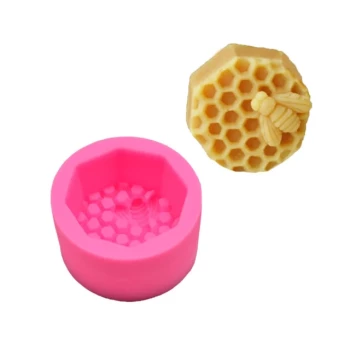
- Hexagonal Bee Honeycomb Silicone Soap Mold by HONESTBEE
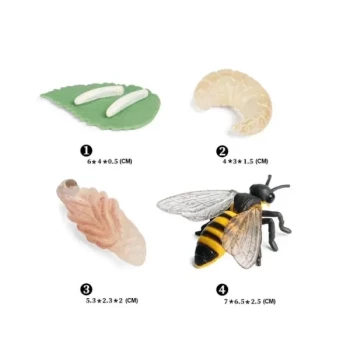
- Honey Bee Lifecycle Model: A Detailed Honeycomb Display of Bee Development
- Professional Wide Blade Honey Scraper for Beekeeping and Honey Processing
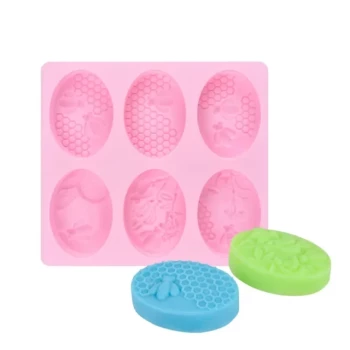
- Premium 6-Cavity Bee and Floral Themed Silicone Soap Mold
- HONESTBEE Adjustable Voltage Wire Embedder with Digital Display
People Also Ask
- What are the advantages of silicone molds for queen cell cups? Upgrade Your Queen Rearing Precision
- What should be considered when selecting combs of honey for extraction? | Key Steps for Quality Honey
- What do bees use combs for? The Hive's Essential Pantry and Nursery
- How are Honeycombs utilized as a standardized testing platform in the assessment of honeybee hygienic cleaning? Guide
- How does removing entire honeycombs impact Varroa mites? Master Mechanical Mite Control for Healthier Hives