Honeycombs serve as the essential biological interface for the standardized "pin-kill test," a method designed to quantify the hygienic behavior of a honeybee colony. By isolating a specific section of capped brood within the comb structure, researchers can artificially terminate developing larvae to create a controlled testing scenario. This allows for the objective measurement of how efficiently worker bees detect and remove dead or damaged individuals from the hive.
The honeycomb provides a fixed grid for the pin-kill test, typically utilizing a 5x5 centimeter square of approximately 100 cells. The colony's hygienic capability is scored based on the percentage of these artificially damaged larvae the bees successfully clear within a strict 24-hour period.
Establishing the Test Area
Selecting the Substrate
The core component of this assessment is a honeycomb frame containing capped brood (developing pupae sealed in cells). The test relies on the physical structure of the comb to define the sample size.
Defining the Sample Size
A specific area is delineated on the honeycomb surface to ensure consistency across different colonies. The standard metric involves selecting a 5x5 centimeter square, which encompasses approximately 100 sealed cells.
The Pin-Kill Mechanism
Creating the Stimulus
To trigger the bees' hygienic response, the brood inside the selected cells must be neutralized. A specialized pinning tool is used to pierce the wax capping of the honeycomb.
Standardized Termination
The tool performs diamond-shaped punctures that physically terminate the developing larvae or pupae inside. This creates a standardized stimulus of "dead or damaged brood" without introducing external pathogens.
Quantifying Hygienic Behavior
The 24-Hour Interval
Once the honeycomb section has been punctured, the frame is returned to the colony. The test operates on a fixed 24-hour cycle to measure the speed of the colony's response.
Calculating the Removal Rate
After the 24-hour period, the honeycomb is inspected to see how many of the 100 punctured cells have been uncapped and cleaned out. The number of empty cells serves as the raw data for the assessment.
Interpreting Genetic Capability
The percentage of cleared cells is directly correlated to the colony's genetic hygienic traits. A high removal rate indicates a strong genetic ability to identify and dispose of diseased or dead individuals.
Understanding the Trade-offs
Artificial vs. Natural Stimuli
This method uses physical trauma (puncturing) as a proxy for disease. While it standardizes the test, it assumes that the behavior for removing pin-killed larvae is identical to removing larvae killed by pathogens.
Invasiveness
The test involves the intentional destruction of a small portion of the colony's brood. While necessary for data collection, it does result in the loss of approximately 100 developing bees per test.
Making the Right Choice for Your Goal
To effectively utilize honeycombs for hygiene assessment, align your approach with your specific objective:
- If your primary focus is genetic selection: Prioritize colonies that clear nearly 100% of the punctured cells, as this indicates a high potential for disease resistance.
- If your primary focus is scientific consistency: Adhere strictly to the 5x5 cm (100 cell) grid to ensure your data is comparable across different hives and studies.
By utilizing the honeycomb as a quantitative grid, you transform a biological structure into a rigorous tool for measuring colony health.
Summary Table:
| Feature | Pin-Kill Test Specification |
|---|---|
| Substrate Required | Honeycomb frame with capped brood |
| Standard Area Size | 5cm x 5cm square |
| Cell Count | Approximately 100 cells |
| Assessment Window | 24-hour cycle |
| Measurement Metric | Percentage of cells cleared |
| Primary Indicator | Genetic resistance and colony health |
Elevate Your Apiary's Health with HONESTBEE
Are you looking to enhance your breeding program or scale your commercial beekeeping operations? At HONESTBEE, we empower commercial apiaries and distributors with the professional-grade tools needed for scientific hive management.
Our comprehensive wholesale portfolio includes:
- Advanced Machinery: From hive-making to honey-filling machines.
- Testing & Management Tools: High-quality honeycomb hardware and specialized beekeeping equipment.
- Industry Consumables: A full spectrum of essentials for large-scale operations.
Whether you are selecting for hygienic traits or optimizing production, our hardware and machinery provide the reliability your business demands. Contact us today to explore our wholesale solutions and see how HONESTBEE can streamline your path to a healthier, more productive apiary.
References
- Olesia Kysterna, Оlga Ignatieva. THE MODIFICATION METHOD OF CORRECTION OF HYGIENIC BEHAVIOR OF HONEYBEES. DOI: 10.30525/978-9934-571-89-3_98
This article is also based on technical information from HonestBee Knowledge Base .
Related Products
- Hexagonal Bee Honeycomb Silicone Soap Mold by HONESTBEE
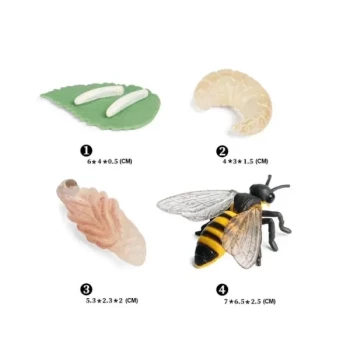
- Honey Bee Lifecycle Model: A Detailed Honeycomb Display of Bee Development
- Professional Wide Blade Honey Scraper for Beekeeping and Honey Processing
- Premium 6-Cavity Bee and Floral Themed Silicone Soap Mold
- HONESTBEE Adjustable Voltage Wire Embedder with Digital Display
People Also Ask
- What are the advantages of silicone molds for queen cell cups? Upgrade Your Queen Rearing Precision
- What should be considered when selecting combs of honey for extraction? | Key Steps for Quality Honey
- What do bees use combs for? The Hive's Essential Pantry and Nursery
- How does removing entire honeycombs impact Varroa mites? Master Mechanical Mite Control for Healthier Hives
- Why is it beneficial for beekeepers to reuse honeycomb? Maximize Honey Yields and Hive Efficiency