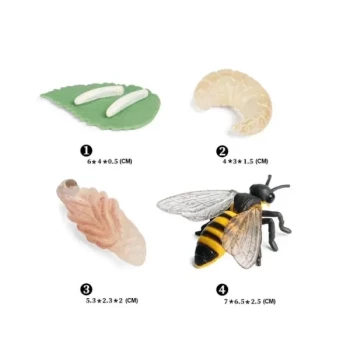
The harvesting technique of removing entire honeycombs fundamentally disrupts the Varroa mite population by physically eliminating their reproductive habitat. By removing combs that include bee brood, you enforce a "brood-free" period within the colony, which halts the mites' ability to reproduce and significantly lowers the overall infestation level.
Core Insight: Varroa mites rely entirely on sealed brood cells to reproduce. Removing the honeycomb forces a reproductive hiatus, pushing surviving mites into a vulnerable, exposed state known as the "phoretic phase" where they cannot multiply.
The Mechanism of Disruption
Interrupting the Reproductive Cycle
Varroa mites are obligated to reproduce inside sealed brood cells. They enter these cells just before the bees cap them with wax.
By removing the honeycomb—specifically those sections containing brood—you physically remove the developing mites trapped inside. This acts as a mechanical reset for the colony, drastically reducing the immediate population of pests.
Forcing the Phoretic Phase
Once the brood combs are removed, the remaining mites have nowhere to breed. They are forced onto the bodies of adult bees.
This state is called the phoretic phase. While in this phase, mites can survive by feeding on adult bees, but they cannot replicate. This limitation prevents the exponential population growth that typically destroys hives.
Reducing Overall Hive Load
The immediate removal of the brood structure creates a cleaner environment. Because the cycle of constant re-infestation is broken, the total "mite load" (the ratio of mites to bees) drops significantly.
This creates a window of opportunity for the colony to recover without the burden of heavy parasitism.
Understanding the Trade-offs
Impact on Colony Growth
While effective for pest management, this technique is aggressive. Removing brood combs also removes the next generation of worker bees.
You must accept a temporary stagnation in colony population growth while the bees rebuild their comb and rear new brood.
Resource Demands
This method places a resource demand on the bees. They must expend energy to replace the removed infrastructure.
However, the benefit of a mite-free start often outweighs the cost of rebuilding, particularly in heavily infested colonies.
Making the Right Choice for Your Goal
This technique is a powerful mechanical intervention, but it must be timed correctly.
- If your primary focus is Pest Management: Prioritize this technique when mite counts are high, as the "brood break" is one of the most effective non-chemical ways to crash the mite population.
- If your primary focus is Honey Production: Be aware that removing brood combs will temporarily reduce the workforce available to forage, potentially impacting immediate yield in exchange for long-term health.
By strategically forcing a brood-free period, you trade a temporary pause in colony growth for a sustainable, low-mite future.
Summary Table:
| Impact Category | Effect of Honeycomb Removal | Outcome for Colony |
|---|---|---|
| Reproduction | Eliminates sealed brood habitat | Halts mite breeding cycle |
| Mite Phase | Forces mites into Phoretic Phase | Mites become vulnerable and exposed |
| Mite Load | Mechanical removal of trapped pests | Immediate reduction in parasite ratio |
| Colony Growth | Temporary loss of next worker generation | Short-term stagnation for long-term health |
| Resource Cost | Bees must rebuild wax and brood | High energy expenditure for hive recovery |
Scale Your Apiary Success with HONESTBEE
Managing Varroa mites is just one part of running a successful commercial operation. At HONESTBEE, we specialize in empowering commercial apiaries and distributors with high-performance tools and machinery. Whether you need industrial hive-making machines to replace combs efficiently, honey-filling lines for your harvest, or a reliable supply of essential beekeeping consumables, we have you covered.
Our Value to You:
- Comprehensive Wholesale Range: From specialized hardware to honey-themed cultural merchandise.
- Commercial Durability: Machinery designed for high-volume, professional use.
- Global Distribution Support: Reliable supply chains for large-scale operations.
Ready to upgrade your beekeeping infrastructure? Contact us today to explore our wholesale catalog and let HONESTBEE help you build a more sustainable and productive apiary.
References
- Haftom Gebremedhn, Dirk C. de Graaf. Living in harmony with nature: the key to resilience of honeybees (Apis mellifera) in Africa. DOI: 10.1007/s13592-025-01193-w
This article is also based on technical information from HonestBee Knowledge Base .
Related Products
- Hexagonal Bee Honeycomb Silicone Soap Mold by HONESTBEE
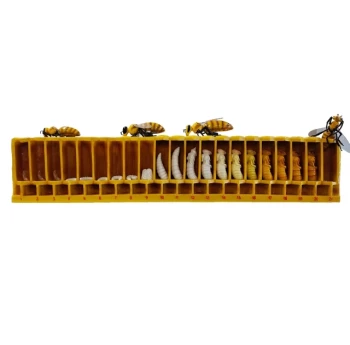
- Honey Bee Lifecycle Model: A Detailed Honeycomb Display of Bee Development
- Professional Wide Blade Honey Scraper for Beekeeping and Honey Processing
- Premium 6-Cavity Bee and Floral Themed Silicone Soap Mold
- HONESTBEE Adjustable Voltage Wire Embedder with Digital Display
People Also Ask
- What are the advantages of silicone molds for queen cell cups? Upgrade Your Queen Rearing Precision
- What should be considered when selecting combs of honey for extraction? | Key Steps for Quality Honey
- What do bees use combs for? The Hive's Essential Pantry and Nursery
- How are Honeycombs utilized as a standardized testing platform in the assessment of honeybee hygienic cleaning? Guide
- Why is it beneficial for beekeepers to reuse honeycomb? Maximize Honey Yields and Hive Efficiency