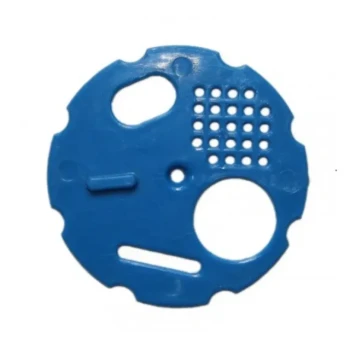
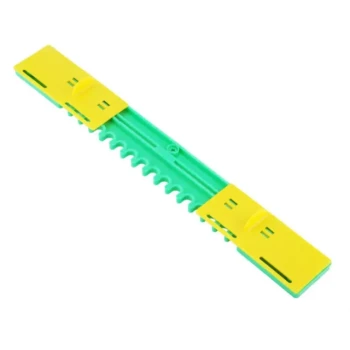
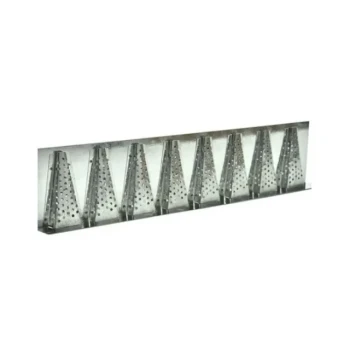
Adjusting beehive entrances is a critical management practice because a colony's physiological and defensive requirements fluctuate rapidly with seasonal conditions. You must actively manage the entrance to balance airflow against security. For example, a colony may require maximum ventilation for temperature control or chemical treatments one week, only to require a restricted entrance shortly after to defend against robbing during a nectar dearth.
Effective hive management is a constant balancing act between ventilation and defense. Beekeepers must toggle entrance sizes to either maximize airflow for colony health or minimize exposure to external threats.
The Logic Behind Entrance Management
Preventing Colony Robbing
During specific times of the year, particularly during a summer dearth, nectar sources become scarce. This scarcity triggers aggressive behavior in bees, leading to increased "robbing" attempts by foreign bees or wasps.
If the hive entrance is left fully open during these periods, the colony cannot effectively guard the perimeter. Reducing the entrance size creates a bottleneck, allowing guard bees to easily defend the hive against intruders.
Facilitating Varroa Treatments
Many beekeepers use chemical treatments to manage Varroa mite populations. However, the efficacy and safety of these treatments often depend on specific airflow conditions.
Certain treatments require maximum hive ventilation to prevent the concentration of chemicals from becoming toxic to the bees themselves. In these instances, restricting the entrance could be detrimental, necessitating a fully open configuration or multiple entrances.
Regulating Internal Temperature
Heat is a significant environmental threat to a colony. Excessive heat can damage the hive's physical structure and cause bees to abscond (abandon the hive).
On hot days, a beekeeper must ensure the hive has a fully open configuration to facilitate airflow. This allows the bees to regulate the internal temperature and humidity effectively.
Understanding the Trade-offs
The Risk of Stagnation
While a reduced entrance is excellent for security, leaving it restricted during high heat or chemical treatment periods is dangerous. Poor ventilation can lead to overheating or the accumulation of moisture, which compromises colony health.
The Vulnerability of Open Airflow
Conversely, prioritizing ventilation at the wrong time leaves the colony exposed. A wide-open entrance during a dearth invites robbers that can decimate a colony's food stores in hours. You cannot simply set the entrance once and forget it; it requires observation of current environmental risks.
Making the Right Choice for Your Goal
To manage your hive effectively, you must assess the immediate primary threat to the colony.
- If your primary focus is Defense (Summer Dearth): Reduce the entrance significantly to create a defensible bottleneck against robber bees.
- If your primary focus is Disease Management (Mite Treatment): Maximize the entrance size to ensure sufficient ventilation for chemical safety.
- If your primary focus is Climate Control (High Heat): Open the entrance fully to allow the colony to cool the hive and prevent heat damage.
Success lies in observing the bees' behavior and the weather, then adjusting the hardware to match the moment.
Summary Table:
| Seasonal Condition | Entrance Setting | Primary Benefit |
|---|---|---|
| Summer Dearth | Restricted / Reduced | Prevents robbing by foreign bees & wasps |
| High Heat / Humidity | Fully Open | Regulates internal temperature & airflow |
| Varroa Treatment | Maximized Ventilation | Prevents chemical toxicity & ensures safety |
| Winter Months | Minimal / Restricted | Conserves heat and reduces cold drafts |
Scale Your Apiary Operations with HONESTBEE
Managing hive health requires precision, and at HONESTBEE, we understand the needs of commercial apiaries and distributors. We provide a comprehensive wholesale range of professional beekeeping tools, from hive-making machinery to honey-filling equipment and essential industry consumables.
Whether you are looking to optimize your production line or supply high-quality hardware to your local market, our portfolio offers the durability and efficiency you need to succeed. Contact us today to discuss how our wholesale solutions can grow your business and support healthier colonies.
Related Products
- Steel Round Disc Entrance Reducer for Flexzion Bee Hive Nuc Box Gate
- Beehive Entrance Reducer Guardian Metal Hive Entrance for Bees
- White Plastic 0.5L Beekeeping Entrance Feeder for Bees
- Beehive Entrance Discs Plastic Bee Entrance Disc for Bee Hives
- Professional Hive Front Entrance Bee Feeder
People Also Ask
- What is the purpose of an entrance reducer for a beehive? Strengthen Colony Defense and Prevent Robbery
- Why are entrance reducers used to counter hornet infestations? Protect Your Hive with Strategic Choke Points
- Why is it critical to maintain a smaller entrance for a newly established bee hive? Boost Colony Growth and Security
- Under what conditions should a beekeeper adjust the size of a beehive entrance? Seasonal & Defense Management Tips
- What is the function of an entrance reducer on a beehive? Strengthen Colony Defense and Climate Control