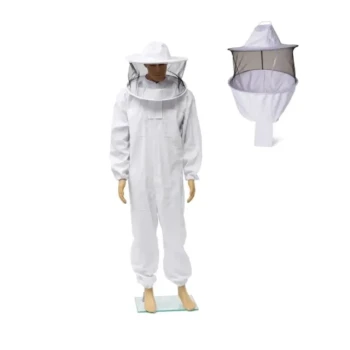
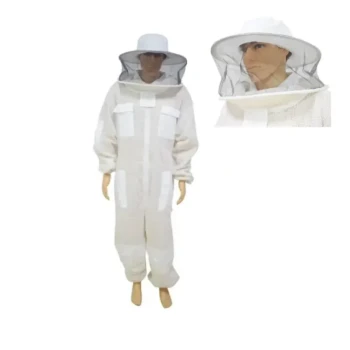
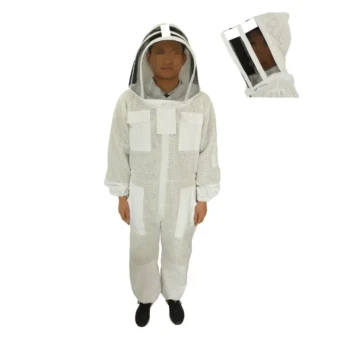
The primary disadvantages of a full bee suit are significant reductions in comfort, mobility, and convenience. Compared to lighter options like jackets, a full suit is notably harder to put on and take off, much warmer to wear, and physically more cumbersome to both wear and store.
The core trade-off of a full bee suit is that while it eliminates protective gaps, it creates a heavier, hotter, and more restrictive environment for the beekeeper.
The Physical Impact on the Beekeeper
Thermal Regulation and Heat Retention
The most immediate drawback of a full bee suit is heat. Because it is a one-piece garment designed to seal the body, it suffers from low ventilation.
This lack of airflow makes the suit very hot to wear, particularly during summer months. For beekeepers who perspire heavily or overheat easily, this can lead to significant discomfort and a low overall comfort rate.
Restricted Mobility
Full suits are inherently cumbersome. The design covers the entire body, which can make the garment feel heavier and less agile than a simple jacket.
Supplementary data indicates that this restrictiveness is often felt most when bending over. The tension in the one-piece design can limit your range of motion during hive inspections.
Operational Challenges
Difficulty of Use
A full suit is harder to get on and off than separate pieces of gear. It requires you to step into the legs and pull the upper portion over your torso, often requiring more time and effort.
Jackets or veils, by comparison, are far more convenient for quick tasks. The full suit is generally considered less convenient for short visits to the apiary.
Storage and Maintenance Implications
Due to their size and bulk, full suits are more cumbersome to store. They take up more space and require a clean, dry location away from direct sunlight to preserve the fabric.
They also require diligent maintenance. Because they cover the whole body, you must regularly inspect the entire garment for tears or holes to ensure safety.
Cost Considerations
While protection is the priority, it is worth noting that full suits are generally more expensive than beekeeping jackets. You are paying for more material and a more complex construction.
Understanding the Trade-offs
The "Waist Gap" Advantage
Despite the discomfort, the cumbersome nature of the suit serves a specific purpose: it eliminates the risk of a gap forming at the waist.
In a jacket, bending over can expose your lower back to stings. A full suit removes this variable entirely.
Comprehensive Leg Protection
The heat and weight of the suit come from the fact that it covers the legs. This provides complete body protection that a jacket cannot offer.
Beekeepers must decide if the discomfort of the suit is worth the assurance that their legs are shielded from stings.
Assessing Your Gear Needs
When deciding between a full suit and lighter gear, consider your environment and your temperament.
- If your primary focus is maximum safety: The full suit is the superior choice because it protects the legs and eliminates waist gaps, despite the heat.
- If your primary focus is comfort and speed: A jacket is likely better, as the full suit is too cumbersome and hot for quick, casual inspections.
- If your primary focus is budget: Be aware that the full suit is typically the more expensive investment compared to upper-body gear.
Select the gear that allows you to work calmly and confidently, even if that means accepting a higher thermal load.
Summary Table:
| Factor | Disadvantage of Full Bee Suit | Impact on Beekeeper |
|---|---|---|
| Thermal Comfort | Poor ventilation and high heat retention | High risk of overheating and perspiration in summer |
| Mobility | Cumbersome one-piece design | Restricts range of motion, especially when bending over |
| Convenience | Time-consuming to put on and take off | Less efficient for quick hive inspections or tasks |
| Maintenance | Large and bulky footprint | Requires more storage space and detailed safety inspections |
| Investment | Higher material and construction costs | More expensive than separate jackets or veils |
Optimize Your Apiary Safety with HONESTBEE
Choosing the right protective gear is a balance between safety and efficiency. At HONESTBEE, we empower commercial apiaries and distributors by providing a comprehensive wholesale range of high-quality beekeeping gear.
Whether you need the full-body protection of premium bee suits for maximum safety or breathable jackets for better mobility, our portfolio has you covered. Beyond apparel, we specialize in high-performance machinery—from hive-making to honey-filling—and essential industry consumables.
Ready to scale your operations with reliable equipment? Contact us today to learn how our wholesale solutions can enhance your productivity and bottom line.
Related Products
- Professional Cotton Beekeeper Suit with Round Veil Design for Commercial Apiaries
- Premium Three Layer Ventilated Bee Suit with Round Veil
- Premium Cotton Beekeeper Suit with Reinforced Fencing Veil
- Professional Beekeeping Suit for Kids and Girls Childrens Bee Keeper Suit
- Professional Beekeeper Suit with Square Folding Cotton Veil
People Also Ask
- What material and design specifications are recommended for a high-quality beekeeper suit? Top Gear Selection Guide
- How to Pre-treat Propolis Stains on Beekeeping Suits? Master Advanced Fabric Care and Soil Removal
- Why is it important to keep a beekeeping suit clean? Essential Safety & Maintenance Tips
- Is it generally safe to wash a beekeeping suit in a washing machine? Maintain Your Safety Gear Properly
- What are the primary functional requirements for a beekeeping suit to ensure user safety? Professional Sourcing Guide