Fixing existing honeycombs to top bars is the decisive technical step for ensuring a colony accepts a transitional hive. By physically attaching combs containing honey, pollen, and brood, you provide the bees with immediate life support and the biological cues necessary to anchor them to the new structure.
The transfer of established combs serves two critical functions: it provides an immediate food reserve to prevent starvation and utilizes familiar pheromones to guide the colony's construction, significantly reducing the risk of absconding.
The Biological Necessity of Comb Transfer
Providing Immediate Nutritional Security
A colony undergoing transfer faces immediate stress and a temporary disruption in foraging. Fixing combs containing honey and pollen provides an instant energy reserve. This ensures the colony can sustain itself without needing to forage immediately in an unfamiliar environment.
Anchoring the Colony Through Brood
The presence of brood (developing larvae) is the strongest anchor for a bee colony. When you fix brood combs to the top bars, the worker bees are biologically compelled to stay and care for the next generation. This technique drastically lowers the probability of the bees abandoning the hive.
Establishing Spatial Order
Bees require guidance to build their nest correctly within a man-made structure. The fixed combs act as a physical and chemical guide, utilizing the colony's natural scents. This prompts the bees to extend the comb along the top bars rather than building cross-combs or attaching structures to the hive walls.
Critical Risks and Biosecurity Measures
Managing the Risk of Robbing
While transferring combs is essential, the process exposes honey and pollen to the open air. As noted in biosecurity protocols, exposed consumables can induce robbing behavior from neighboring colonies. Stronger colonies may detect the scent of open honey and attack the transitional hive before it can establish defenses.
Preventing Pathogen Transmission
Exposed equipment and residues can become vectors for disease. If combs or sugary residues are left accessible outside the hive, they create central points for pathogen cross-infection. It is a standard technical requirement to maintain strict hygiene and ensure all resources are contained within the sealed hive immediately after fixing.
Ensuring a Successful Transition
To maximize the survival rate of your transitional hive, prioritize speed and cleanliness during the comb fixation process.
- If your primary focus is Colony Retention: Prioritize fixing combs with healthy brood and pollen, as these are the resources bees are least likely to abandon.
- If your primary focus is Biosecurity: Ensure all comb transfer happens quickly to minimize scent dispersal and clean up any honey drips immediately to prevent robbing.
By mechanically securing these resources, you effectively transplant the colony's "immune system" and "pantry" into their new home.
Summary Table:
| Factor | Benefit of Fixing Combs | Role in Hive Transition |
|---|---|---|
| Honey & Pollen | Immediate Food Security | Prevents starvation during initial transfer stress. |
| Brood Combs | Biological Anchor | Compels workers to stay and care for larvae, reducing abandonment. |
| Natural Scents | Spatial Guidance | Directs bees to build straight combs along top bars. |
| Pheromones | Chemical Signaling | Minimizes the risk of the colony absconding from the new hive. |
| Biosecurity | Resource Containment | Prevents robbing behavior and limits pathogen cross-infection. |
Scale Your Beekeeping Success with HONESTBEE
Transitioning colonies requires precision, and so does managing a commercial apiary. HONESTBEE is your dedicated partner, providing high-volume distributors and commercial beekeepers with professional-grade solutions. From specialized hive-making machinery and honey-filling lines to a complete range of beekeeping tools and consumables, we offer the industrial-scale equipment you need to thrive.
Boost your operational efficiency and supply chain reliability today. Contact us now to explore our wholesale offerings and let HONESTBEE equip your business for growth.
References
- Taye Beyene, Girma Chalchissa. Demonstration of Transitional Locally Made Beehive Around Protected Areas in Central Rift Valley of Oromia, Ethiopia. DOI: 10.20849/ajsss.v3i4.495
This article is also based on technical information from HonestBee Knowledge Base .
Related Products
- Hexagonal Bee Honeycomb Silicone Soap Mold by HONESTBEE
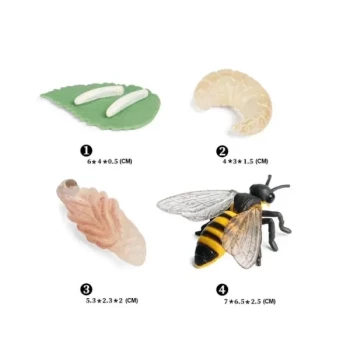
- Honey Bee Lifecycle Model: A Detailed Honeycomb Display of Bee Development
- Professional Wide Blade Honey Scraper for Beekeeping and Honey Processing
- Premium 6-Cavity Bee and Floral Themed Silicone Soap Mold
- HONESTBEE Adjustable Voltage Wire Embedder with Digital Display
People Also Ask
- What are the advantages of silicone molds for queen cell cups? Upgrade Your Queen Rearing Precision
- What should be considered when selecting combs of honey for extraction? | Key Steps for Quality Honey
- What do bees use combs for? The Hive's Essential Pantry and Nursery
- How are Honeycombs utilized as a standardized testing platform in the assessment of honeybee hygienic cleaning? Guide
- How does removing entire honeycombs impact Varroa mites? Master Mechanical Mite Control for Healthier Hives