The critical necessity of using airtight glass or specialized plastic containers stems from honey's unique chemical properties, specifically its tendency to interact with the surrounding environment. Because honey is highly hygroscopic, it requires a robust, airtight barrier to prevent the absorption of atmospheric moisture, which is the primary cause of fermentation and spoilage. Beyond preservation, these specialized materials are essential for maintaining the honey's volatile aromatics, biological enzyme activity, and commercial value.
Honey is not a static shelf-stable liquid; it is a biologically active substance that will degrade if exposed to air. Proper packaging acts as a necessary quarantine, locking out moisture to prevent fermentation while locking in the delicate chemical compounds that define its flavor and quality.
The Critical Role of Moisture Barriers
Combating Hygroscopy
Honey is hygroscopic, meaning it naturally attracts and absorbs water molecules from the surrounding air. If standard, non-airtight packaging is used, the honey will pull in external moisture, altering its chemical balance.
Preventing Fermentation
When honey absorbs enough moisture to raise its water content above a stable threshold, dormant yeasts within the honey become active. This triggers fermentation, leading to spoilage, off-flavors, and a degraded product that is unfit for sale.
Maintaining Biological Activity
Airtight containment does more than just stop rot; it preserves the "life" of the honey. High-quality seals protect natural enzyme activity and prevents the oxidation that can occur with continuous air exposure.
Preserving Chemical and Sensory Integrity
Retaining Volatile Aromas
The distinct flavor and smell of specific honey varietals come from volatile aromatic substances. Permeable packaging allows these compounds to volatilize (evaporate) into the atmosphere, resulting in a bland, generic tasting product over time.
Ensuring Chemical Stability
Glass, in particular, provides a chemically inert environment. Unlike lesser materials, it offers excellent chemical stability, ensuring that the container does not react with the honey's acidity or degrade its purity over long storage periods.
Marketability and Consumer Trust
Visual Verification
Transparent glass and high-clarity plastics allow consumers to visually inspect the product. Being able to see the color, texture, and viscosity of the honey enhances its premium appeal and market value.
Hygiene and Safety Standards
Using standardized, food-grade containers—rather than recycled or general-purpose vessels—addresses consumer concerns regarding hygiene. Professional packaging signals that the product is safe, sealed against external contamination, and meets retail distribution standards.
Understanding the Trade-offs: Glass vs. Plastic
The Superiority of Glass
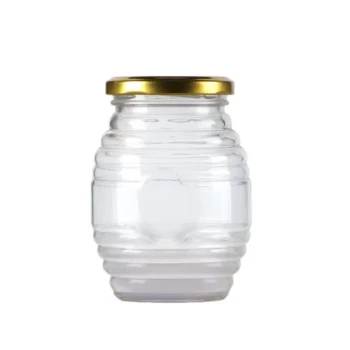
Glass is generally considered the superior option for raw honey because it is impermeable and inert. It provides the best barrier against gas and moisture exchange, ensuring no chemicals leach into the honey, but it comes with higher shipping costs and fragility.
The Utility and Risks of Plastic
Food-grade plastic is lightweight, durable, and cost-effective, making it ideal for bulk transport (e.g., 2.5-liter buckets). However, plastic is slightly porous; over time, this can allow water content to evaporate, potentially accelerating crystallization, or allow trace chemicals to leach into the honey, altering its taste.
Making the Right Choice for Your Goal
To select the correct packaging, you must balance logistics with preservation needs:
- If your primary focus is premium retail and long-term purity: Choose glass jars to ensure zero chemical leaching, perfect aroma retention, and a high-end visual presentation.
- If your primary focus is bulk distribution or shipping efficiency: Choose standardized food-grade plastic to minimize breakage and weight, while ensuring the seal is robust enough to prevent immediate oxidation.
Ultimately, the container is not just a vessel; it is the final component of the production process that ensures the honey reaches the consumer exactly as the bees created it.
Summary Table:
| Feature | Glass Containers | Specialized Plastic | Impact on Honey |
|---|---|---|---|
| Moisture Barrier | Excellent (Impermeable) | Good (Slightly Porous) | Prevents hygroscopic fermentation |
| Chemical Stability | Inert (No leaching) | Food-grade safe | Maintains purity and acidity levels |
| Aroma Retention | Superior | Moderate | Locks in volatile flavor compounds |
| Durability | Fragile / Heavy | Impact-resistant / Light | Affects shipping costs and logistics |
| Best Use Case | Premium Retail | Bulk Distribution | Balances market value vs. efficiency |
Elevate Your Honey Production with HONESTBEE
At HONESTBEE, we understand that premium honey requires professional-grade solutions. As a dedicated partner to commercial apiaries and global distributors, we provide more than just equipment—we provide the tools for your success.
Whether you need high-precision honey-filling machines to ensure airtight seals, industrial hive-making machinery, or a full spectrum of beekeeping tools and consumables, we have the expertise to scale your operations. From specialized hardware to honey-themed cultural merchandise, our wholesale offerings are designed to enhance your product's market value and operational efficiency.
Ready to upgrade your apiary or distribution network?
Contact HONESTBEE Today to discover how our comprehensive equipment range can streamline your honey processing and packaging.
References
- A. B. Shrestha, Sajjad Hussain. Strengthening horizontal and vertical linkages for honey value chain development in the Hindu Kush Himalayan region. DOI: 10.1007/s41027-016-0019-2
This article is also based on technical information from HonestBee Knowledge Base .
Related Products
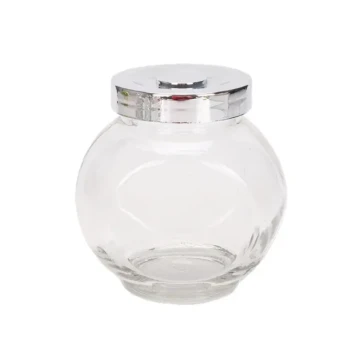
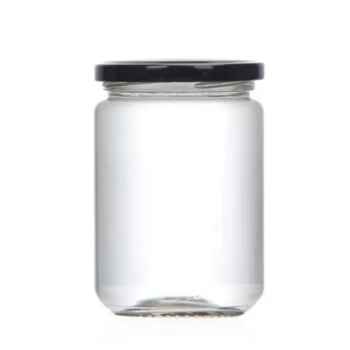
- Classic Drum Shaped Glass Honey Jar with Airtight Lid
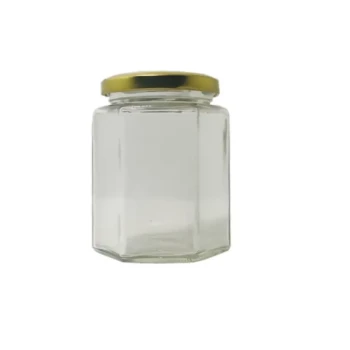
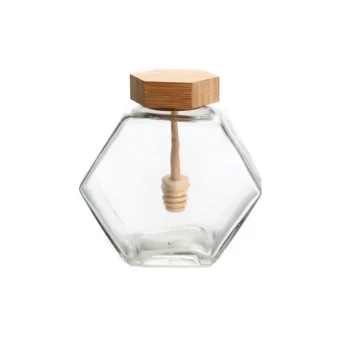
- Hexagonal Glass Honey Jars with Metal Lug Caps Elegant Versatile Packaging
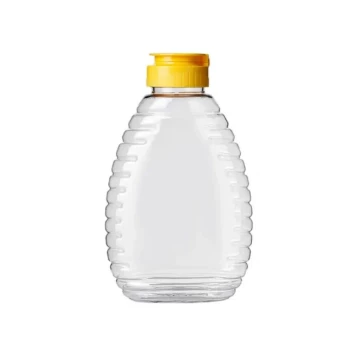
- Squeezable No-Drip Beehive-Shaped Honey Jars with Flip-Top Cap
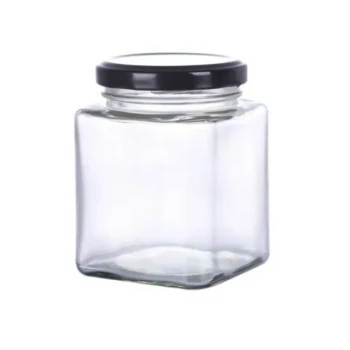
- Modern Square Glass Honey Jar with Twist Off Lid
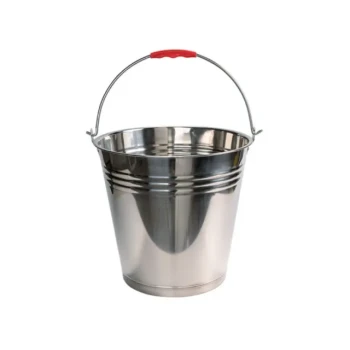
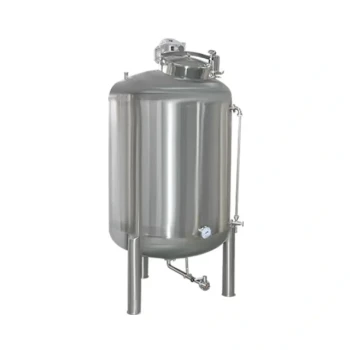
- Premium Stainless Steel Honey Tank Bucket Pail with Reinforced Handle and Polished Finish
People Also Ask
- What is the best utensil to store honey? Preserve Purity with the Right Container
- How does the appearance of glass jar packaging affect the sales and perception of honey? Boost Your Premium Brand Value
- Why is a glass jar preferred for packaging honey? Ultimate Protection for Purity & Flavor
- What is the aesthetic appeal of using glass jars for honey? Elevate Your Brand with Premium Packaging
- What are the advantages of glass containers for honey? Elevate Quality and Market Value with Premium Packaging