Strict sampling protocols are the single most critical factor in ensuring valid honey analysis. Using sterilized containers is mandatory to prevent external microbial contamination, which ensures that hygiene quality assessments reflect the honey's actual condition rather than handling errors. Simultaneously, secondary sealed packaging acts as an environmental shield, preventing the sample from absorbing atmospheric moisture or degrading due to light and temperature changes during transport.
The integrity of honey analysis depends entirely on sample isolation. Sterilization prevents biological cross-contamination, while sealing maintains the sample's physicochemical "snapshot" by blocking moisture, light, and atmospheric interference.
Ensuring Biological Accuracy
Preventing Secondary Contamination
Sterilized containers are the only way to effectively isolate the sample from external biological threats. This effectively prevents secondary contamination during the collection process, ensuring that any bacteria found during analysis originated from the honey, not the container.
Validating Microbial Metrics
Accurate quantitative analysis relies on a sterile baseline. Using sterilized equipment ensures that measured levels of yeast, mold, and total colony counts truthfully reflect the sanitary status of the apiary.
Protecting Physicochemical Properties
Controlling Hygroscopicity
Honey is highly hygroscopic, meaning it naturally absorbs moisture from the surrounding air. High-performance sealed packaging creates a barrier that isolates the honey from humidity, preventing dilution that would skew concentration data.
Preventing Spoilage and Fermentation
When honey absorbs external moisture, it becomes unstable and prone to fermentation. By locking out air and humidity, sealed packaging preserves the honey's stability and prevents spoilage before the sample can be analyzed in the lab.
Stabilizing Sensitive Components
Secondary sealing, such as plastic wrap, shields the sample from light and temperature fluctuations. This protection is critical for maintaining the stability of sensitive biochemical markers, including amino acids and enzymes.
Common Pitfalls and Material Considerations
The Risk of Chemical Reactivity
While sealing is vital, the chemical composition of the container is equally important because honey is naturally acidic. Using non-inert materials can lead to chemical reactions that contaminate the sample with foreign impurities.
The Necessity of Glass
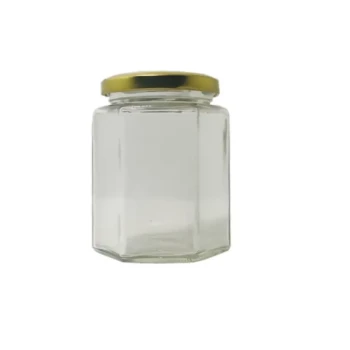
To mitigate reactivity, high-cleanliness glass bottles are often preferred over plastic. Glass is chemically inert and provides superior barrier properties against odors and moisture, ensuring the honey's original composition remains unaltered.
Making the Right Choice for Your Goal
To ensure your honey samples yield reliable data, apply these principles based on your specific analytical focus:
- If your primary focus is Hygiene and Safety: Prioritize sterilized sampling tools to ensure that microbial load data (bacteria, yeast, mold) is not distorted by external cross-contamination.
- If your primary focus is Chemical Profiling: Prioritize airtight, chemically inert sealing (such as glass) to prevent moisture absorption and oxidation that degrade enzymes and flavor profiles.
Ultimately, the reliability of your laboratory results is directly proportional to the rigor of your isolation and packaging protocols in the field.
Summary Table:
| Factor | Requirement | Benefit to Honey Analysis |
|---|---|---|
| Biological Integrity | Sterilized Containers | Prevents secondary contamination and ensures accurate microbial metrics. |
| Moisture Control | Sealed Packaging | Blocks hygroscopic moisture absorption and prevents premature fermentation. |
| Chemical Stability | Inert Glass Bottles | Prevents reactions with honey's acidity and preserves enzymes/amino acids. |
| Environmental Shield | Secondary Wrapping | Protects against light and temperature fluctuations during transport. |
Scale Your Honey Production with Professional-Grade Equipment
At HONESTBEE, we understand that the integrity of your honey—from the hive to the lab—is paramount to your business success. We cater specifically to commercial apiaries and distributors, providing a comprehensive wholesale range of high-quality beekeeping tools and industrial machinery.
Whether you need precision honey-filling machines to ensure airtight sealing, specialized hive-making hardware, or essential industry consumables, our portfolio is designed to enhance your operational efficiency and product quality. Partner with us to access the tools that keep your honey pure and your production profitable.
Ready to upgrade your apiary or distribution line?
Contact HONESTBEE Today for a Wholesale Quote
References
- Martins Carneiro Pires Rosana, Maria Christina Sanches Muratori. Evaluation of hygienic-sanitary quality of honey from Apis mellifera L. obtained in semi-arid region of Piau, Brazil. DOI: 10.5897/ajmr2015.7657
This article is also based on technical information from HonestBee Knowledge Base .
Related Products
- Classic Honey Bear Jars with Flip Top Dispensing Cap for Liquid Sweeteners
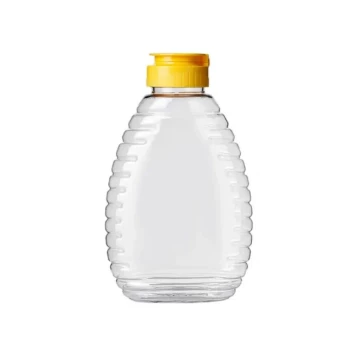
- Squeezable No-Drip Beehive-Shaped Honey Jars with Flip-Top Cap
- Modern Square Glass Honey Jar with Twist Off Lid
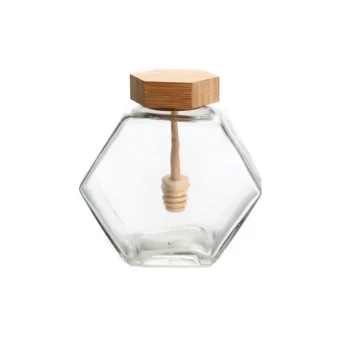
- Hexagonal Glass Honey Jar with Wooden Lid Integrated Dipper Elegant Functional Storage
- Classic Round Glass Honey Jar with Lid
People Also Ask
- What food safety standards must honey containers meet? Expert Guide to Packaging Integrity & Hygiene
- Why is it important to distinguish between weight and volume when selecting honey containers? Maximize Profits Now
- What are the benefits of purchasing honey containers in bulk? Maximize Margins & Secure Your Supply Chain
- What should be considered when choosing a container for honey to ensure effective sealing? Master Honey Packaging Success
- What is the best container to store honey in? Preserve Purity & Flavor for Years