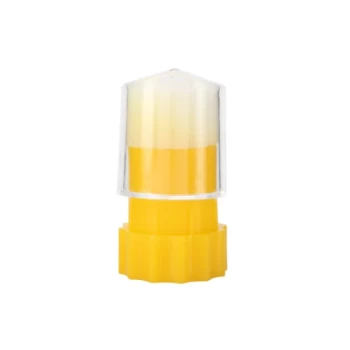
Precision agricultural management requires granular data. Specialized counting and observation equipment is necessary to accurately categorize bee species based on size and morphology, traits that directly correlate with pollination quality. Beyond simple classification, advanced observation tools like high-resolution imaging allow for rapid data capture, ensuring that the evaluation process itself does not disrupt the colony's natural foraging behaviors.
Specialized equipment bridges the gap between raw observation and actionable agricultural strategy. By correlating specific physical traits like mouthpart structure with pollination quality, apiaries can scientifically select the most effective bee species for specific crop goals.
The Science of Morphology and Performance
To understand why a specific bee is effective, we must look beyond the hive and analyze the insect's physical attributes.
Categorizing by Physical Traits
General observation is insufficient for high-stakes agriculture. Specialized equipment is required to measure and categorize bees by size and morphology.
These physical differences are not merely cosmetic; they dictate how a bee interacts with a flower.
The Role of Mouthpart Structure
A critical factor in pollination efficiency is the structure of the bee's mouthparts.
Different crops have unique floral geometries that require specific biological tools for effective pollination. Equipment that identifies these structural nuances helps researchers determine which species are capable of accessing and pollinating specific blossoms effectively.
Matching Species to Crops
Once data on size and structure is collected, it allows for targeted agricultural recommendations.
Commercial apiaries use this statistical data to identify which species will provide the highest quality pollination for specific crops. This moves pollination from a guessing game to a calculated science.
The Importance of Non-Invasive Observation
The method of observation is just as critical as the data being collected. Standard manual observation can negatively impact the very subjects being studied.
Reducing Colony Disturbance
Traditional observation often requires keeping a hive open for extended periods, which disrupts the colony's internal climate and stress levels.
High-resolution digital imaging equipment solves this by enabling the rapid capture of visual data. This technology significantly reduces the duration a hive remains open, minimizing disturbance to the bees' foraging and productivity.
Ensuring Data Reliability
Digital imaging creates permanent visual records of hive frames.
This allows for high-precision quantitative analysis to take place in a controlled laboratory environment rather than the chaotic field. This separation ensures data reliability while protecting the colony’s immediate vitality.
Understanding the Trade-offs
While specialized equipment offers superior data, it introduces specific operational considerations that must be managed.
Complexity vs. Speed
Manual counting is immediate but prone to human error and bias.
Specialized equipment provides objective accuracy but often requires a secondary step of laboratory analysis. This creates a lag between data collection and actionable insight, though the resulting data is significantly more reliable.
Investment vs. Return
Implementing high-resolution imaging and morphological analysis tools requires a higher initial capital investment compared to traditional visual inspection.
However, for commercial operations, this cost is offset by the ability to maximize crop yields through the selection of highly efficient pollinator species.
Making the Right Choice for Your Goal
Selecting the right equipment depends on whether your priority is immediate field management or long-term agricultural optimization.
- If your primary focus is Commercial Crop Yield: Prioritize equipment that categorizes bees by morphology and mouthpart structure to match the perfect pollinator to your specific crop.
- If your primary focus is Research and Data Integrity: Prioritize high-resolution digital imaging to create permanent records and minimize the biological impact on your test colonies.
True pollination efficiency is achieved when you stop counting bees generally and start evaluating them specifically.
Summary Table:
| Evaluation Factor | Traditional Manual Observation | Specialized Equipment Analysis | Benefit to Apiary |
|---|---|---|---|
| Data Accuracy | High margin of human error | Precision morphological measurement | Reliable species matching |
| Colony Impact | High disruption (open hive) | Non-invasive digital imaging | Maintains colony productivity |
| Morphology | Basic size estimation | Mouthpart & structural analysis | Matches bees to specific crops |
| Record Keeping | Fleeting field notes | Permanent digital visual records | Long-term trend analysis |
Elevate Your Commercial Apiary with HONESTBEE
Transition from guesswork to precision science. HONESTBEE empowers commercial apiaries and distributors with the high-performance tools needed to maximize pollination efficiency and crop yields.
We provide a comprehensive wholesale catalog including:
- Beekeeping Machinery: Advanced hive-making and honey-filling systems.
- Specialized Equipment: Precision tools for colony observation and management.
- Full Spectrum Consumables: Everything required to maintain a thriving, industrial-scale operation.
Whether you are scaling your honey production or optimizing pollination services for agricultural clients, our specialized hardware and industry expertise deliver a competitive edge.
Ready to optimize your operation? Contact HONESTBEE Today to explore our wholesale solutions and cultural merchandise.
References
- Mandar Vijay Thakur, Sujal Suhas Munj. Seasonal Occurrence of Honey Bees in Coriander. DOI: 10.55446/ije.2024.2137
This article is also based on technical information from HonestBee Knowledge Base .
Related Products
- Full Set Beekeeping Electronic Bee Venom Collector Machine Device for Bee Venom Collecting
- HONESTBEE Professional Mini J-Hook Hive Tool for Beekeeping
- Multi-Function Plier-Style Frame Grip Hive Tool
- HONESTBEE 15-in-1 Beekeeper Multi-Tool with Hammer and Pliers for Beekeeping
- Professional Stainless Steel Pry-Bar Hive Tool
People Also Ask
- How does the glass plate integrated into a bee venom collector contribute to maintaining quality and purity?
- What is the function of specialized collection equipment in the production process of bee venom? Expert Guide
- What is the significance of using specialized bee venom collection devices in commercial beekeeping operations?
- Why are bee venom collection devices typically mounted on specialized wooden carrier boards? Maximize Yield & Purity.
- How does a dedicated bee venom collection device operate? Extract Pure Venom Safely Without Harming Your Bees