The primary reason for recommending stainless steel over galvanized wire is the prevention of chemical contamination. Honey is naturally acidic, which causes it to chemically react with the zinc coating found on galvanized wire. This reaction degrades the coating and allows lead impurities, often present in the zinc, to migrate directly into the honey.
Core Takeaway Galvanized wire poses a food safety risk because honey’s acidity dissolves the zinc coating, releasing heavy metals like lead into the product. Industrial-grade stainless steel is chemically inert, preventing contamination and ensuring the honey remains pure and safe for consumption.
The Chemistry of Contamination
The interaction between honey and frame wire is not merely physical; it is chemical. Understanding this reaction is critical for maintaining food safety standards.
The Acidity Factor
Honey is not a neutral substance; it is naturally acidic. This acidity acts as a corrosive agent when placed in constant contact with reactive metals.
Zinc and Lead Migration
Galvanized wire relies on a zinc coating for protection. When honey attacks this coating, it breaks down the barrier. Crucially, this zinc coating often contains lead impurities. As the zinc dissolves, it releases these metal ions, leading to lead contamination at the very source of production.
Why Stainless Steel is the Industry Standard
To avoid heavy metal contamination, the industry recommends specific grades of stainless steel.
Chemical Inertness
Industrial-grade stainless steel, specifically grade 304 or 316, provides superior corrosion resistance. Unlike galvanized options, these materials do not react with the acids in honey. This ensures the wire remains chemically stable and does not leach substances into the food product.
Durability and Cleanliness
Stainless steel does not produce rust or metallic flaking. This structural integrity is maintained even after multiple foundation replacements. By eliminating rust and flaking, you prevent physical debris from entering the extraction process.
Understanding the Trade-offs
While stainless steel is the superior technical choice, it is important to understand the material requirements to ensure effectiveness.
The Importance of Grading
Not all steel functions equally. To achieve the safety benefits described, you must use industrial-grade stainless steel (304 or 316). Using lower-quality steel alloys that are not rated for food contact may result in corrosion similar to that of galvanized wire, negating the safety benefits.
Making the Right Choice for Your Goal
The choice of wire impacts both the safety of your final product and the longevity of your equipment.
- If your primary focus is Food Safety: Prioritize 304 or 316 grade stainless steel to strictly prevent lead migration and chemical leaching.
- If your primary focus is Equipment Longevity: Choose stainless steel to avoid rust and metallic flaking, ensuring the wire lasts through multiple foundation changes.
By selecting the correct material grade, you eliminate a significant source of heavy metal contamination before it begins.
Summary Table:
| Feature | Galvanized Wire | Stainless Steel (304/316) |
|---|---|---|
| Chemical Reactivity | High (Reacts with honey's acidity) | Inert (No chemical reaction) |
| Food Safety Risk | Risk of lead and zinc leaching | Safe for food contact |
| Corrosion Resistance | Low (Zinc coating degrades) | High (Rust and corrosion-proof) |
| Physical Integrity | Prone to flaking and rust | Maintains structural integrity |
| Long-term Value | Frequent replacement needed | Durable through multiple uses |
Scale Your Apiary Operations with HONESTBEE
Ensure the highest food safety standards and operational efficiency for your business. HONESTBEE specializes in supporting commercial apiaries and distributors with high-quality, industrial-grade solutions. From corrosion-resistant 304/316 stainless steel frame wire to advanced honey-filling and hive-making machinery, we provide the tools you need to deliver pure, uncontaminated honey to your customers.
Our Value to You:
- Comprehensive Wholesale Offering: A full spectrum of beekeeping tools and industry consumables.
- Specialized Machinery: High-efficiency equipment designed for commercial-scale production.
- Global Distribution Support: Expertly curated products for professional beekeeping portfolios.
Contact HONESTBEE Today to optimize your production and secure your supply chain!
References
- Selma Kunić. THE CONTENT OF HEAVY METALS IN HONEY AS INDICATORS OF POLLUTANTS. DOI: 10.51558/2232-7568.2023.17.1.3
This article is also based on technical information from HonestBee Knowledge Base .
Related Products
- Stainless Steel Bee Hive Frame Wire for Beekeeping
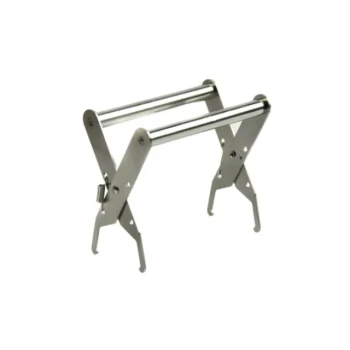
- Heavy-Duty Stainless Steel Frame Grip
- Precision Stainless Steel Frame Cleaner for Hive Grooves and Corners
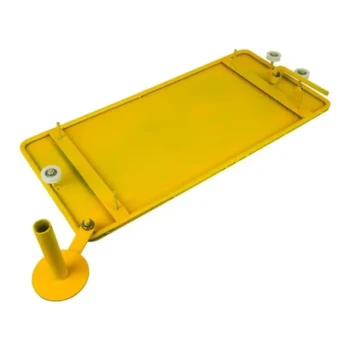
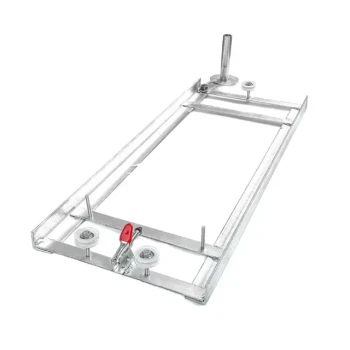
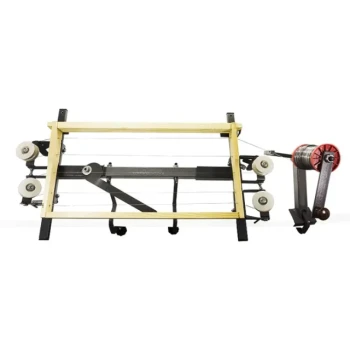
- HONESTBEE Durable Frame Wiring Board with Integrated Tensioner
- Honestbee Wooden Handle Steel Spur Wheel Wire Embedder
People Also Ask
- What are the arguments for and against wiring beehive frames? Balance Durability and Management Flexibility
- What are the drawbacks of wiring beehive frames? Key Limitations and Structural Trade-offs Revealed
- How is the wire secured at the top of the frame? A Guide to Locking in Tension for Strong Honeycomb
- What factors determine the amount of wiring needed in beehive frames? Tailor Your Strategy for Your Climate
- What tools are needed to wire a beehive frame? Essential Equipment for Durable Frame Construction