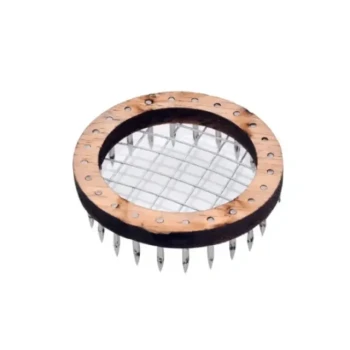
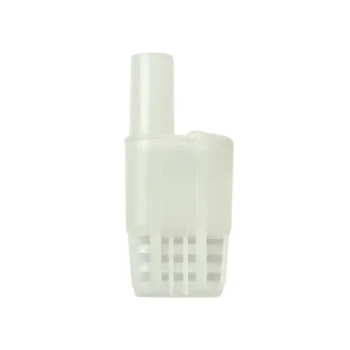
The survival of a virgin queen bee during transit relies heavily on the presence of attendant workers to perform essential biological functions that the queen cannot perform alone. These workers engage in trophallaxis—the direct exchange of food—to ensure the queen receives consistent nutrition while simultaneously providing the social contact necessary to reduce fatal stress levels.
Core Insight: A mailing cage is not just a container; it is a temporary, artificial colony. Without the biological support system provided by attendant workers, a queen bee faces malnutrition and isolation stress, significantly reducing her viability and one-week survival rate.
The Biological Necessity of Attendants
The Mechanism of Trophallaxis
The primary technical reason for including workers is to facilitate trophallaxis. This is the process of food exchange where workers consume the provided food source and transfer it to the queen.
In the confined space of a mailing cage, this ensures the even distribution of nutrients. Without this mechanism, the queen's access to consistent nutrition is compromised.
Mitigating Physiological Stress
Queen bees are social creatures that exhibit severe stress responses when isolated. The presence of attendants provides a critical socialization role that stabilizes the queen’s physiological state.
Research indicates that including approximately five newly emerged workers creates the optimal balance for maintaining the queen's health. This small cluster mimics the natural hive environment enough to prevent the detrimental effects of solitude.
Optimizing the Shipping Micro-Environment
Managing the Food Source
The mailing cage must contain a built-in trough for food, typically solid queen candy. This setup allows the attendants to access energy consistently without the mess associated with liquid feed.
Do not use liquid honey in plastic mailing cages. Plastic lacks moisture-absorbing properties, and liquid honey can flow uncontrollably, leading to the contamination and subsequent death of the queen and her attendants.
Structural Protection
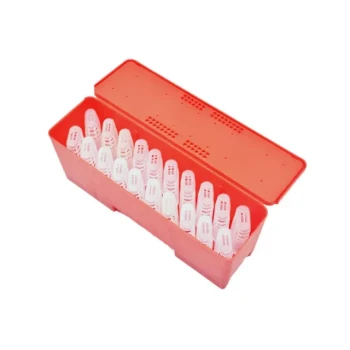
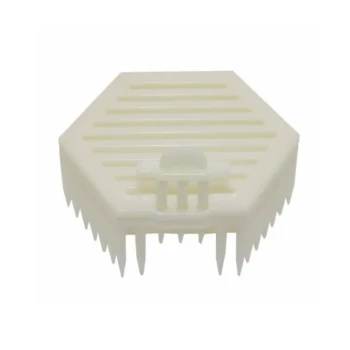
Specialized cages are designed to create a protected micro-environment. The physical structure prevents the crushing of the insects during transit.
Simultaneously, the attendants help regulate the micro-climate within this protected space, ensuring the queen's reproductive vitality is preserved until she reaches her destination.
Understanding the Trade-offs
The Pathogen Vector Risk
While attendants are essential for survival, they introduce a significant biosecurity risk. The cage, the food, and specifically the attendant bees can act as biological vectors for viruses or parasites like Nosema.
The Necessity of Quarantine protocols
Because of the disease risk, the inclusion of workers necessitates strict pathogen testing. When importing genetic resources, these transport containers must undergo rigorous quarantine protocols to prevent the introduction of exotic diseases into local ecosystems.
Making the Right Choice for Your Goal
To ensure both high survival rates and biosecurity, apply the following principles to your shipping procedures:
- If your primary focus is increasing survival rates: Ensure every cage includes approximately five newly emerged workers to manage feeding via trophallaxis and reduce isolation stress.
- If your primary focus is biosecurity: Implement strict pathogen testing on the attendant workers and potential quarantine measures, as they are the primary vectors for disease transmission during transport.
- If your primary focus is equipment selection: Utilize plastic cages with solid candy troughs rather than liquid honey to maintain a dry, clean, and stable environment.
The successful transport of a queen bee is not defined by the hardware alone, but by the biological stability of the micro-colony inside.
Summary Table:
| Factor | Role of Attendant Workers | Impact on Queen Bee |
|---|---|---|
| Nutrition | Perform trophallaxis (food exchange) | Ensures consistent and digestible nutrient intake |
| Stress Management | Provide social contact and pheromone stability | Reduces physiological stress and isolation-related mortality |
| Micro-climate | Regulate temperature and humidity within the cage | Preserves reproductive vitality and physical health |
| Food Handling | Process solid queen candy from the trough | Prevents sticky liquid messes that can lead to drowning |
| Quantity | Optimal group size (approx. 5 workers) | Mimics a natural colony environment for stability |
Maximize Your Apiary's Success with HONESTBEE
Transporting queen bees safely is a delicate science that requires the right biological support and professional-grade equipment. At HONESTBEE, we specialize in supporting commercial apiaries and distributors with high-quality beekeeping tools and machinery designed for the modern industry.
From specialized queen mailing cages and hive-making machines to advanced honey-filling equipment and essential consumables, our comprehensive wholesale offering ensures your bees and your business thrive. We understand the specific needs of large-scale beekeeping operations and provide the hardware necessary to scale your success.
Ready to upgrade your beekeeping operations? Contact HONESTBEE Today for a Professional Quote
References
- Gianluigi Bigio, Francis L. W. Ratnieks. Comparing Alternative Methods for Holding Virgin Honey Bee Queens for One Week in Mailing Cages before Mating. DOI: 10.1371/journal.pone.0050150
This article is also based on technical information from HonestBee Knowledge Base .
Related Products
- JZBZ Style Professional Battery Box with 20 Shipping Cages
- Professional Multi-Compartment Queen Cage with Sliding Lid
- Professional Queen Bee Introduction and Transport Cage
- Hexagonal Direct Comb Introduction Queen Bee Cage
- Durable Galvanized Steel Spring Queen Bee Cage
People Also Ask
- Why are specialized queen bee cages used for the banking of mated queen bees? Maximize Commercial Apiary Storage Efficiency
- How do different materials in queen bee shipping boxes affect temperature? Optimize Bee Health During Transit
- What is the mechanism of action for using temporary queen bee cages? Master Successful Queen Introduction
- What protective role do independent attendant bee partition compartments play? Ensure Safe Queen Bee Transit
- How do specialized logistics consumables like queen bee transport boxes affect biodiversity? Trade-offs & Trends