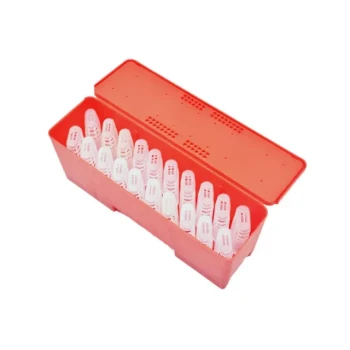
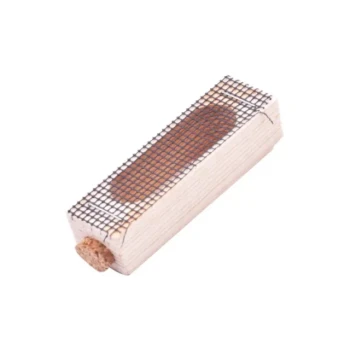
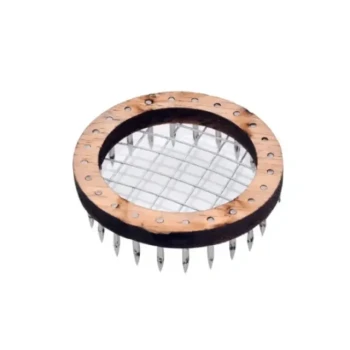
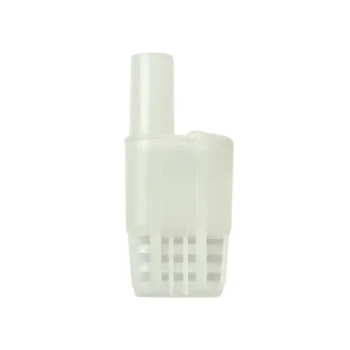
Specialized logistics consumables, particularly queen bee transport boxes, serve as the fundamental infrastructure for the globalized honeybee trade. These tools directly enable the long-distance movement of superior genetic varieties to increase commercial yields, but they simultaneously disrupt local ecosystems by acting as vectors for non-native subspecies and pathogens.
While specialized transport consumables drive industry efficiency and genetic improvement through cross-border trade, they pose a critical threat to local biodiversity by bypassing natural geographic barriers, potentially diluting unique local genetics and accelerating disease transmission.
The Commercial Impact of Logistics Consumables
Enabling Globalized Trade
Logistics consumables are not merely packaging; they are the enablers of cross-border commerce.
Specialized transport boxes allow producers to ship queens and colonies over vast distances that were previously impossible. This infrastructure transforms local beekeeping into a global industry, facilitating large-scale trade networks.
Improving Genetics and Yields
The primary driver for using these consumables is variety improvement.
Commercial beekeepers utilize these transport solutions to acquire superior honeybee varieties from breeders worldwide. This access leads to optimized colony traits and significantly increased yields in honey production and pollination services.
Understanding the Ecological Trade-offs
The Introduction of Non-Native Subspecies
The efficiency of modern transport boxes creates a direct pathway for biological invasion.
By facilitating the easy movement of foreign bees, these consumables increase the likelihood of introducing non-native subspecies into established ecosystems. This can lead to hybridization, effectively diluting the genetic uniqueness of locally adapted honeybee populations.
The Pathogen Vector Risk
Beyond genetics, logistics consumables act as a physical vector for disease.
The movement of biological material across borders inherently carries the risk of spreading pathogens and parasites. When transport protocols prioritize speed and volume over biosecurity, these boxes can introduce diseases that devastate vulnerable local populations that lack natural immunity.
Making the Right Choice for Your Goal
Whether you are a commercial producer or a conservationist, understanding the implications of transport logistics is vital for sustainable management.
- If your primary focus is Commercial Production: Prioritize transport consumables that ensure queen survival while strictly adhering to biosecurity protocols to prevent pathogen entry into your apiary.
- If your primary focus is Biodiversity Conservation: Advocate for the use of local breeding programs to reduce reliance on long-distance transport and protect the genetic integrity of native stocks.
Balancing the efficiency of global logistics with the preservation of local biological integrity is the defining challenge of modern apiculture.
Summary Table:
| Impact Category | Primary Effect | Consequences for Industry |
|---|---|---|
| Commercial | Globalized Trade Enablement | Access to superior genetics and higher honey yields. |
| Operational | Logistics Efficiency | Reduced mortality rates during long-distance shipping. |
| Ecological | Genetic Dilution | Potential loss of local subspecies due to hybridization. |
| Biosecurity | Pathogen Transmission | Risk of spreading non-native diseases and parasites. |
Scale Your Apiary Operations Safely with HONESTBEE
Navigating the balance between high-yield commercial production and ecological responsibility requires the right tools. At HONESTBEE, we specialize in providing commercial apiaries and distributors with premium wholesale solutions, ranging from advanced queen transport consumables and beekeeping machinery to specialized honey-filling equipment.
Whether you are looking to optimize your logistics or upgrade your processing facility, our comprehensive portfolio of hardware and industry consumables is designed to enhance your efficiency and biosecurity.
Ready to elevate your beekeeping business? Contact us today to explore our wholesale catalog!
References
- Pilar De la Rúa, José Serrano. Biodiversity, conservation and current threats to European honeybees. DOI: 10.1051/apido/2009027
This article is also based on technical information from HonestBee Knowledge Base .
Related Products
- JZBZ Style Professional Battery Box with 20 Shipping Cages
- Professional Queen Bee Introduction and Transport Cage
- Professional Queen Cage with Sliding Gate and Feeder Plug
- Durable Galvanized Steel Spring Queen Bee Cage
- Professional Multi-Compartment Queen Cage with Sliding Lid
People Also Ask
- Why are specialized queen bee cages used for the banking of mated queen bees? Maximize Commercial Apiary Storage Efficiency
- How do different materials in queen bee shipping boxes affect temperature? Optimize Bee Health During Transit
- What is the mechanism of action for using temporary queen bee cages? Master Successful Queen Introduction
- What protective role do independent attendant bee partition compartments play? Ensure Safe Queen Bee Transit
- How long should a queen bee stay in the cage before being released? Ensure a Successful Introduction