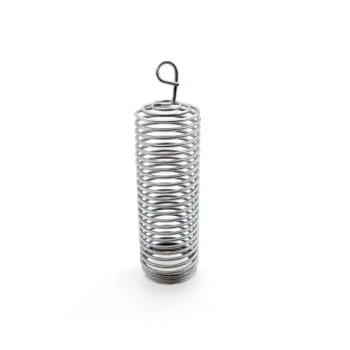
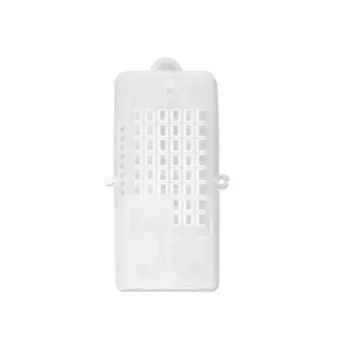
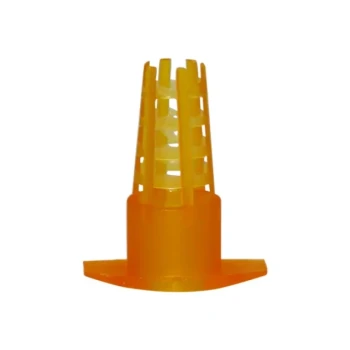
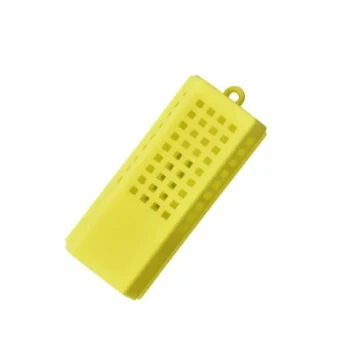
The material composition of a queen bee shipping box dictates its thermal inertia, acting as the primary buffer between the colony and the outside world. While the specific choice of plastic or cardboard affects durability and weight, their most critical function is to create a physical barrier that defines the insulation and ventilation properties of the container.
The effectiveness of a shipping box is not defined solely by the material itself, but by how that material interacts with the nurse bees inside. A successful container uses its structural thermal properties to trap the biological heat produced by the bees, maintaining a stable microclimate regardless of external weather logistics.
The Physics of the Shipping Box
Thermal Inertia and Temperature Lag
The primary function of the shipping material—whether fiber-based like cardboard or synthetic like plastic—is to provide thermal inertia.
This physical property determines the speed at which the internal temperature changes. Materials with high thermal inertia slow down the transfer of heat, preventing rapid spikes or drops inside the box when the package moves through extreme external environments.
Structure and Insulation
The structure of the box creates a physical barrier that works in tandem with the material's natural properties.
Thicker, more porous materials (often found in corrugated cardboard designs) generally trap air, offering higher insulation values. Denser, thinner materials (like certain plastics) may rely more on airtight seals to prevent heat loss, though this changes ventilation dynamics.
The Role of Ventilation
The material must balance insulation with the need for air exchange.
If a material is too airtight, it traps heat and moisture effectively but risks suffocation or overheating. If the material is too porous or the design includes too many vents, it loses the ability to buffer against cold external air.
The Biological Component
Nurse Bees as Heat Sources
The shipping box does not generate heat; it retains it. The nurse bees accompanying the queen are the active heating element.
Through biological processes, these bees generate the warmth required for the queen's survival. The box material’s job is to capture this output and keep it within a survivable range.
The Synergy of Box and Bee
Properly designed shipping boxes work in conjunction with this biological heat production.
The material must be insulative enough to prevent the bees' heat from dissipating too quickly in cold logistics chains, but breathable enough to prevent a lethal heat buildup during warmer transit.
Understanding the Trade-offs
The Risk of Over-Insulation
While it is tempting to maximize insulation to protect against cold, materials that trap too much heat can be fatal.
If the box material has high thermal retention and low ventilation, the biological heat produced by the nurse bees can accumulate rapidly. In hot shipping environments, this internal heat cannot escape, leading to overheating and death.
The Risk of Rapid Cooling
Conversely, materials with low thermal inertia provide little protection against cold snaps.
If the material is too thin or conductive, the internal heat dissipates faster than the nurse bees can produce it. This forces the bees to consume more energy to stay warm, increasing stress and the risk of failure before arrival.
Making the Right Choice for Your Logistics
Different shipping scenarios require prioritizing different material properties.
- If your primary focus is cold-weather transport: Prioritize materials with high thermal inertia and insulation to retain the biological heat generated by the nurse bees.
- If your primary focus is hot-weather transport: Prioritize structures with optimized ventilation to allow excess biological heat to escape, preventing the "greenhouse effect" inside the box.
The best shipping material is one that acts as a stable partner to the nurse bees, dampening external shocks while allowing the colony’s internal engine to function efficiently.
Summary Table:
| Material Factor | Cardboard / Fiber-Based | Plastic / Synthetic | Impact on Queen Bee Safety |
|---|---|---|---|
| Thermal Inertia | High (Slow temperature changes) | Variable (Often lower unless thick) | Buffers against external temperature spikes |
| Insulation Value | High (Porous air-trapping) | Lower (Relies on airtight seals) | Retains biological heat from nurse bees |
| Ventilation | Natural breathability | Requires engineered vents | Prevents suffocation and moisture buildup |
| Best Use Case | Cold-weather transport | High-moisture or durable needs | Balances heat retention vs. heat dissipation |
Secure Your Queen's Journey with HONESTBEE
At HONESTBEE, we understand that every detail—from thermal inertia to ventilation—matters for the survival of your colony. As a leading provider for commercial apiaries and distributors, we offer a comprehensive wholesale range of professional beekeeping tools, specialized machinery, and essential consumables.
Whether you need advanced honey-filling machines or high-quality shipping components designed for optimal microclimates, our expertise ensures your business thrives. Partner with us to access durable, science-backed equipment tailored to the needs of modern beekeeping operations.
Contact HONESTBEE Today to Discuss Your Wholesale Needs
References
- Andrée Rousseau, Pierre Giovenazzo. Effect of shipping boxes, attendant bees, and temperature on honey bee queen sperm quality (Apis mellifera). DOI: 10.1007/s13592-020-00756-3
This article is also based on technical information from HonestBee Knowledge Base .
Related Products
- JZBZ Style Professional Battery Box with 20 Shipping Cages
- Professional Queen Bee Introduction and Transport Cage
- Durable Galvanized Steel Spring Queen Bee Cage
- Professional Multi-Functional Queen Bee Cage
- JZBZ Style Shipping Cell Protector for Queen Rearing Kit
People Also Ask
- Why are specialized queen bee cages used for the banking of mated queen bees? Maximize Commercial Apiary Storage Efficiency
- What is the mechanism of action for using temporary queen bee cages? Master Successful Queen Introduction
- What protective role do independent attendant bee partition compartments play? Ensure Safe Queen Bee Transit
- How do specialized logistics consumables like queen bee transport boxes affect biodiversity? Trade-offs & Trends
- How long should a queen bee stay in the cage before being released? Ensure a Successful Introduction