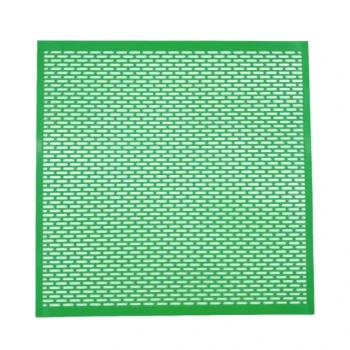
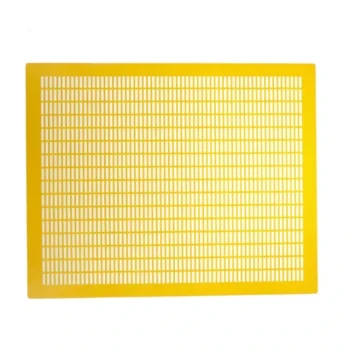
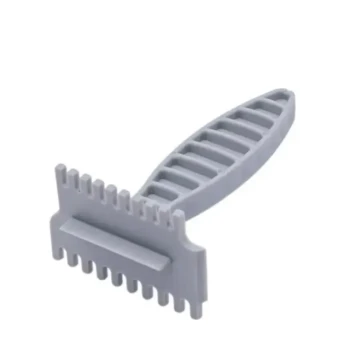
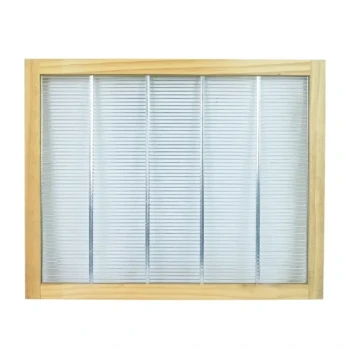
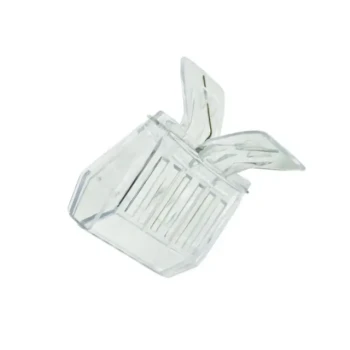
The installation of a queen excluder acts as a definitive quality control checkpoint in modern apiaries. It functions as a physical barrier placed between the brood chamber and the honey supers, utilizing precise grid spacing that allows worker bees to pass while blocking the larger queen. This ensures the queen cannot enter the upper storage areas to lay eggs, guaranteeing that harvested frames contain only pure honey rather than a mixture of honey, eggs, and larvae.
Core Takeaway By strictly confining the queen to the lower brood chamber, the excluder prevents biological contamination at the source. This physical separation is the most reliable method for ensuring honey purity and meeting the stringent clarity requirements of international organic standards.
The Mechanics of Contamination Prevention
Establishing a Physical Barrier
The queen excluder is a grid-based tool inserted between the lower hive body (brood chamber) and the upper boxes (honey supers). The gap widths are calibrated to be passable for smaller worker bees but impassable for the larger queen bee.
Preventing Biological Impurities
Without this barrier, the queen may migrate upward and lay eggs in the honey storage frames. This results in "brood" (larvae and pupae) developing alongside the honey. The excluder completely isolates the queen, ensuring the honey supers remain free of eggs, larvae, and other biological debris associated with the reproductive cycle.
Elevating Commercial Standards
Ensuring Purity and Clarity
For honey to be commercially viable, it must meet high standards of physical appearance and composition. By preventing brood rearing in the honey supers, the excluder ensures the final product maintains high purity and clarity.
Meeting International Organic Protocols
High-end markets, particularly those dealing in organic honey, require strict adherence to purity guidelines. The isolation provided by the queen excluder is essential for meeting these international market standards, as it guarantees the harvested product is not contaminated by the hive's brood cycle.
Optimizing the Production Environment
Creating an Undisturbed Ripening Zone
The excluder does more than just stop the queen; it delineates the hive functions. By reserving the upper supers strictly for storage, it provides an undisturbed environment where worker bees can dehydrate and ripen the honey efficiently.
Simplifying Extraction
When honey frames are free of brood, the extraction process becomes significantly more efficient. Beekeepers do not need to sort through frames to separate those containing larvae, streamlining the harvest and ensuring a consistent workflow.
Understanding the Trade-offs
Potential Impact on Yield
While critical for quality, the excluder can sometimes act as a "honey barrier." Depending on the colony's temperament, some worker bees may be reluctant to pass through the excluder to store honey in the supers, potentially reducing the total volume of honey produced.
Genetic Dependencies
The effectiveness of an excluder can depend on the specific genetics of the colony. Wild-caught bees with high brood production tendencies often benefit most from the restriction, whereas colonies selectively bred for smaller brood nests may not require such strict intervention.
Making the Right Choice for Your Goal
To determine if a queen excluder is the right tool for your specific production needs, consider your end-market requirements:
- If your primary focus is International or Organic Certification: You must use an excluder to guarantee the biological purity and clarity required by strict regulatory standards.
- If your primary focus is Maximizing Raw Volume: Monitor your colonies closely; if workers refuse to cross the barrier, you may need to remove it to encourage storage, accepting a higher risk of brood contamination.
Ultimately, the queen excluder is the industry standard for transforming a raw hive product into a pure, commercially grade commodity.
Summary Table:
| Feature | Purpose | Impact on Honey Quality |
|---|---|---|
| Physical Barrier | Prevents queen from entering honey supers | Guarantees honey is free from eggs and larvae (brood) |
| Space Delineation | Separates brood chamber from ripening zone | Ensures maximum clarity and meets organic export standards |
| Harvest Efficiency | Simplifies frame sorting and extraction | Reduces processing time and prevents debris contamination |
| Quality Control | Acts as a definitive purity checkpoint | Transforms raw hive output into a premium commercial commodity |
Elevate Your Honey Production with HONESTBEE
Maintaining the highest purity standards is essential for commercial success in the global honey market. HONESTBEE empowers commercial apiaries and distributors with premium beekeeping solutions designed for efficiency and quality. From high-precision queen excluders to advanced honey-filling machines and specialized hive-making hardware, we provide the full spectrum of tools needed to scale your operations.
Ready to optimize your yield and meet international standards? Contact HONESTBEE today to explore our wholesale equipment and specialized consumables tailored for the professional beekeeper.
References
- Benyam Tadesse, Zelalem Adimasu. Factors influencing organic honey production level and marketing: evidence from southwest Ethiopia. DOI: 10.1016/j.heliyon.2021.e07975
This article is also based on technical information from HonestBee Knowledge Base .
Related Products
- High Performance Plastic Queen Excluder for Beekeeping and Apiary Management
- Professional Plastic Queen Excluder for Modern Beekeeping
- Lightweight Durable Plastic Queen Excluder Scraper for Beekeeping
- Metal Queen Bee Excluder for Beekeeping
- Premium Wood Framed Metal Wire Queen Bee Excluder
People Also Ask
- What are the characteristics of a plastic queen excluder? Key Benefits for Cost-Effective Beekeeping
- What are the operational and cost advantages of using plastic queen excluders over metal or wire excluders in commercial hive management? Discover how they reduce labor, prevent wing damage, and lower total costs.
- What types of queen excluders are available for beekeepers? Choose the Right Tool for Your Hive
- Why are standardized hive frames and queen excluders essential for maintaining honey purity and quality? Scale Your Purity
- Do plastic queen excluders work? A Cost-Effective Solution for Modern Apiaries